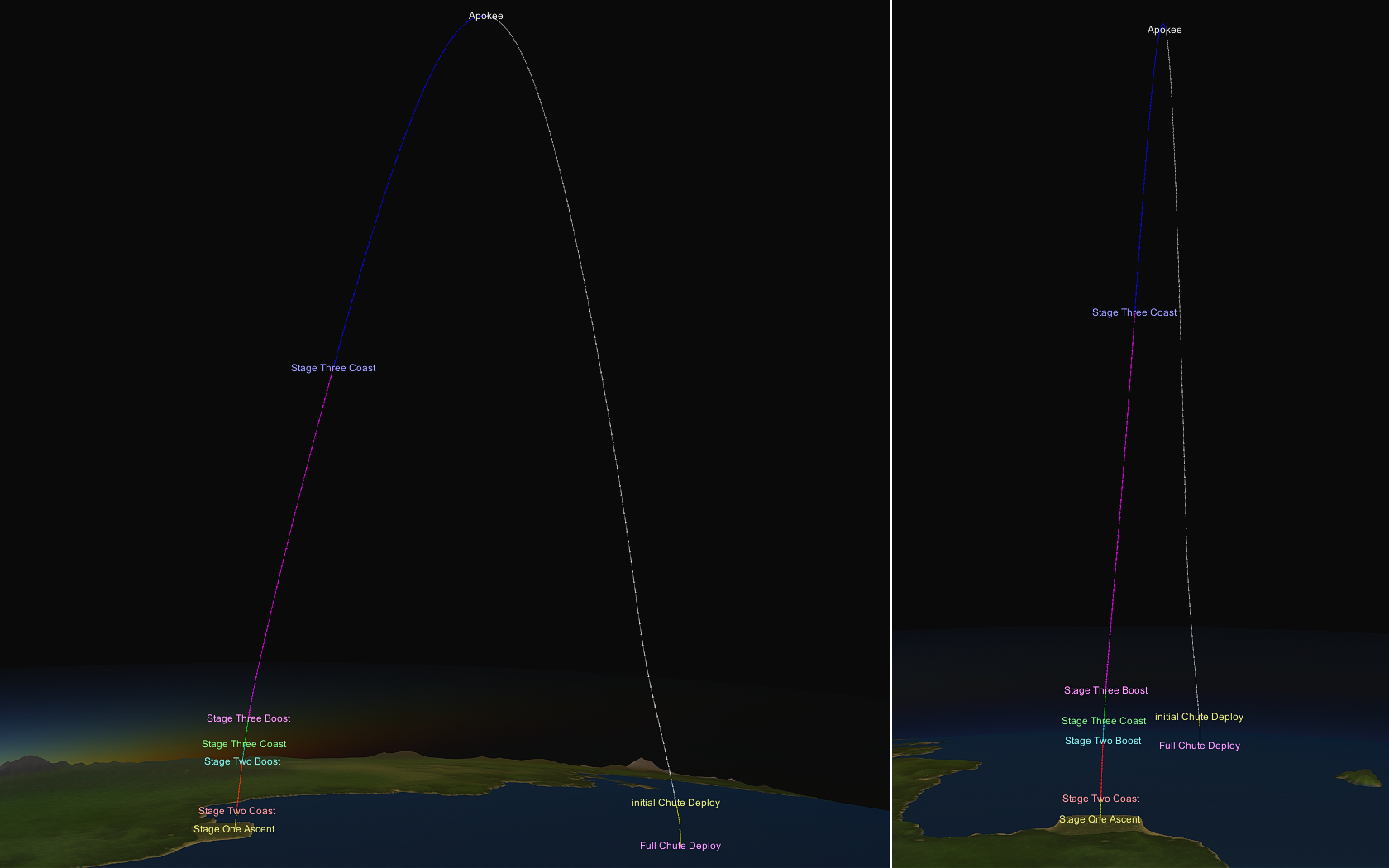
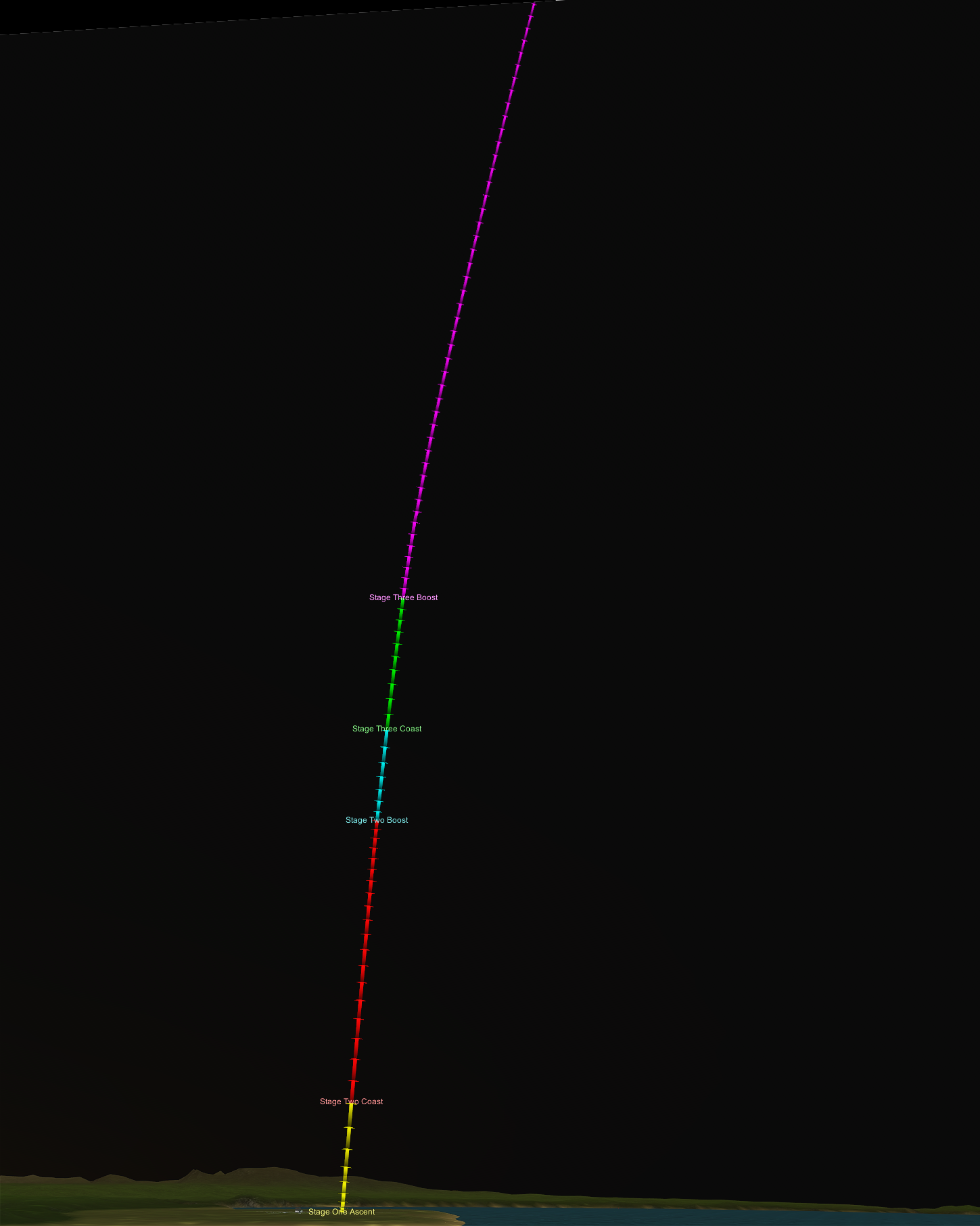
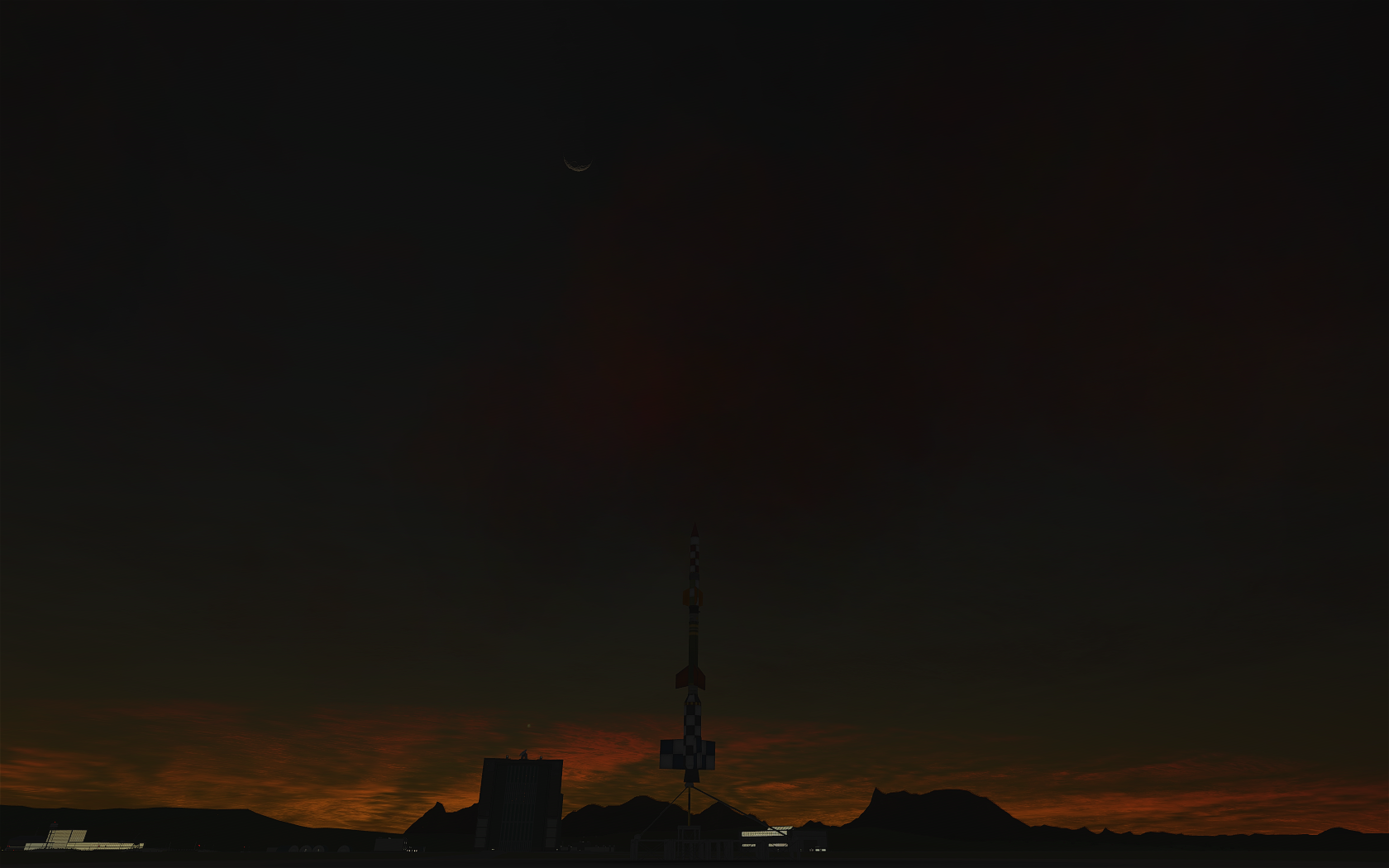
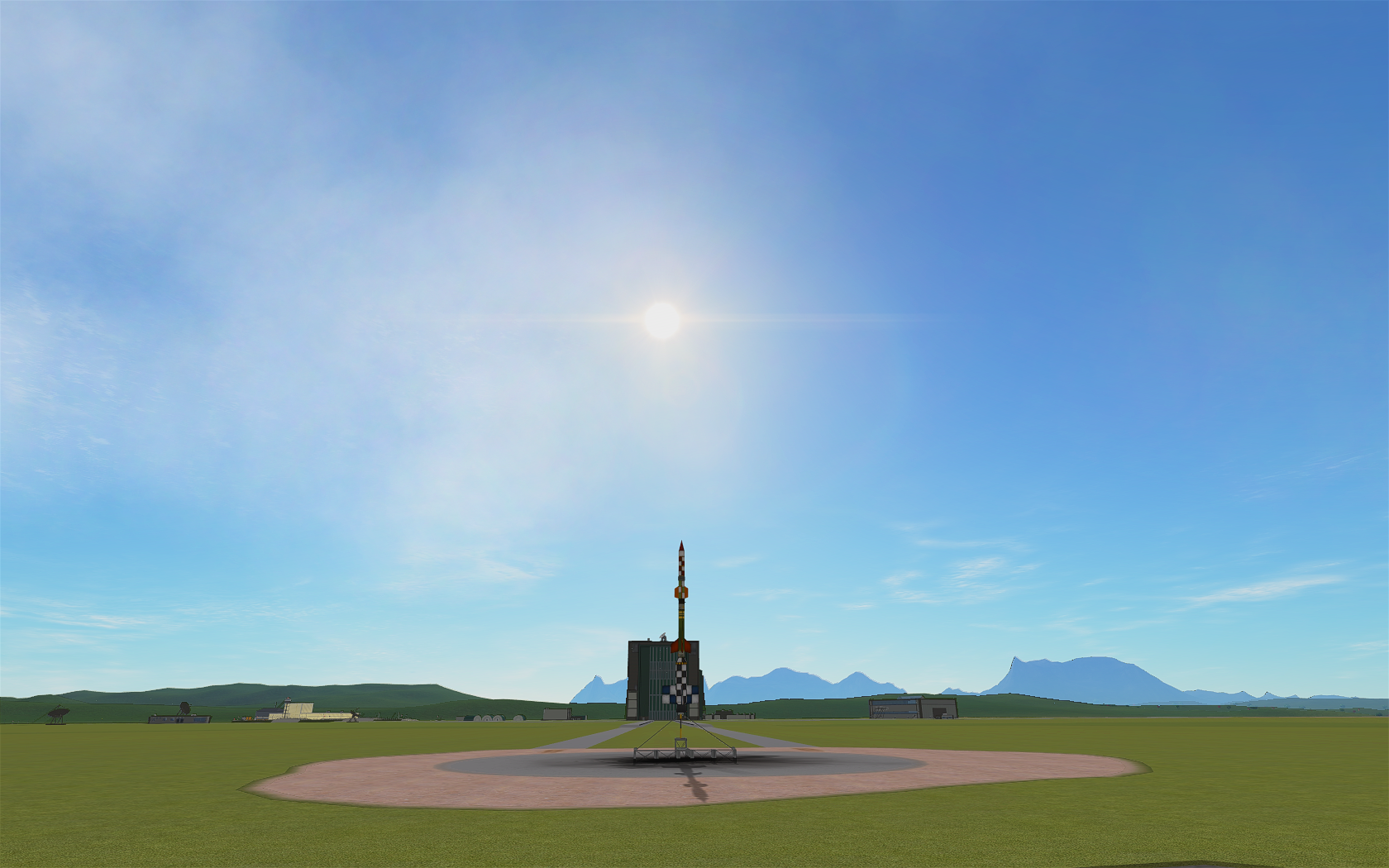
The second flight of the Progeny Mk5 was another success and very similar to that of the first flight in terms of trajectory and timing, which is a good sign because both flights were flown nearly the same way. As mentioned in our analysis of the first flight there were errors made in pitch calculation and TWR during the ascent which were corrected in this ascent. The changes were minor and did not affect the flight all that much – both rockets reached a 94km apokee and did so within one second of each other, both landed within 2 seconds of each other and both traveled the same amount of distance within 1km. During this flight the Automated Flight Control System took greater control over the rocket, decoupling the spent boosters, shredding the 3rd stage fins and actively monitoring the pitch. Flight controllers only had to activate the engines and throttle the 3rd stage to maintain a TWR of 2. The extra instructions running during the initial ascent up to MECO led to a greater power draw, but we also optimized the code that was checking for the parachute to be deployed and actually landed with more battery power available. There are several things we plan to do for this third flight based on the telemetry data that we have reviewed and also given that this flight will be the first to carry instruments in the payload section.
Tag Archive: Progeny Mk5 Flight 2
Sep 17 2017
Progeny Mk5 Flight 2 Analysis
Sep 15 2017
Operations Summary – Week of 9/11/17
Launchpad Tours (9/9/17)
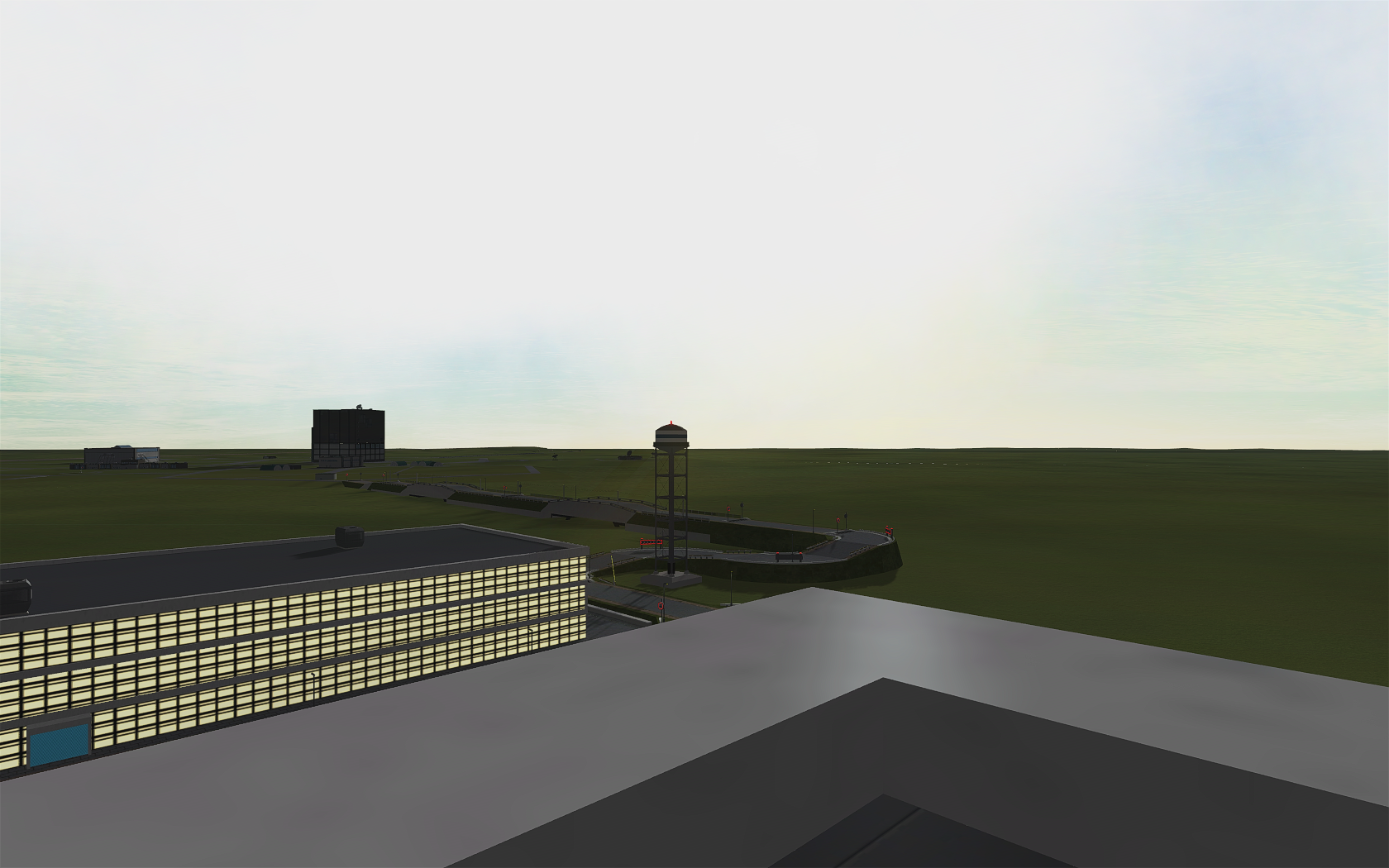
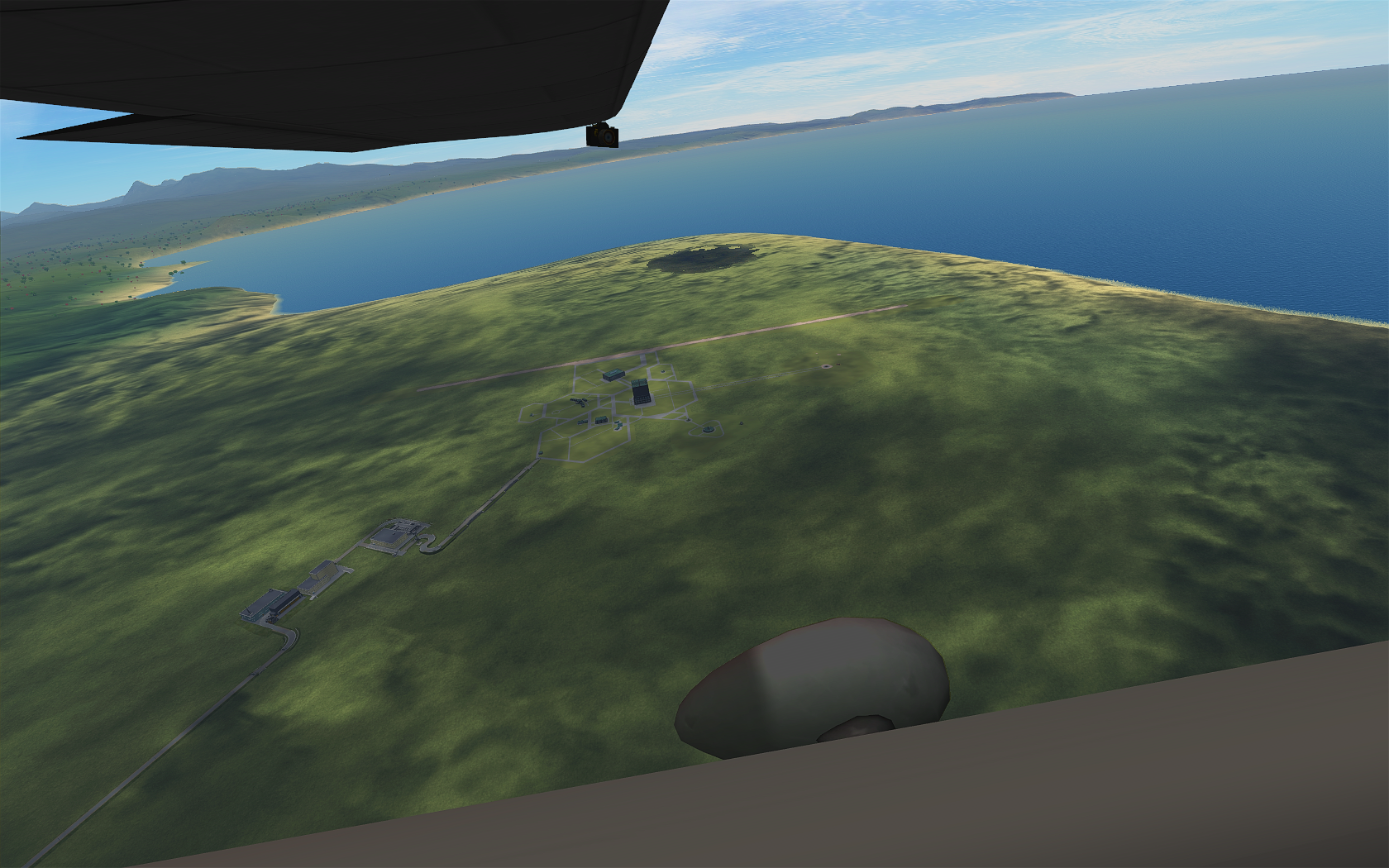
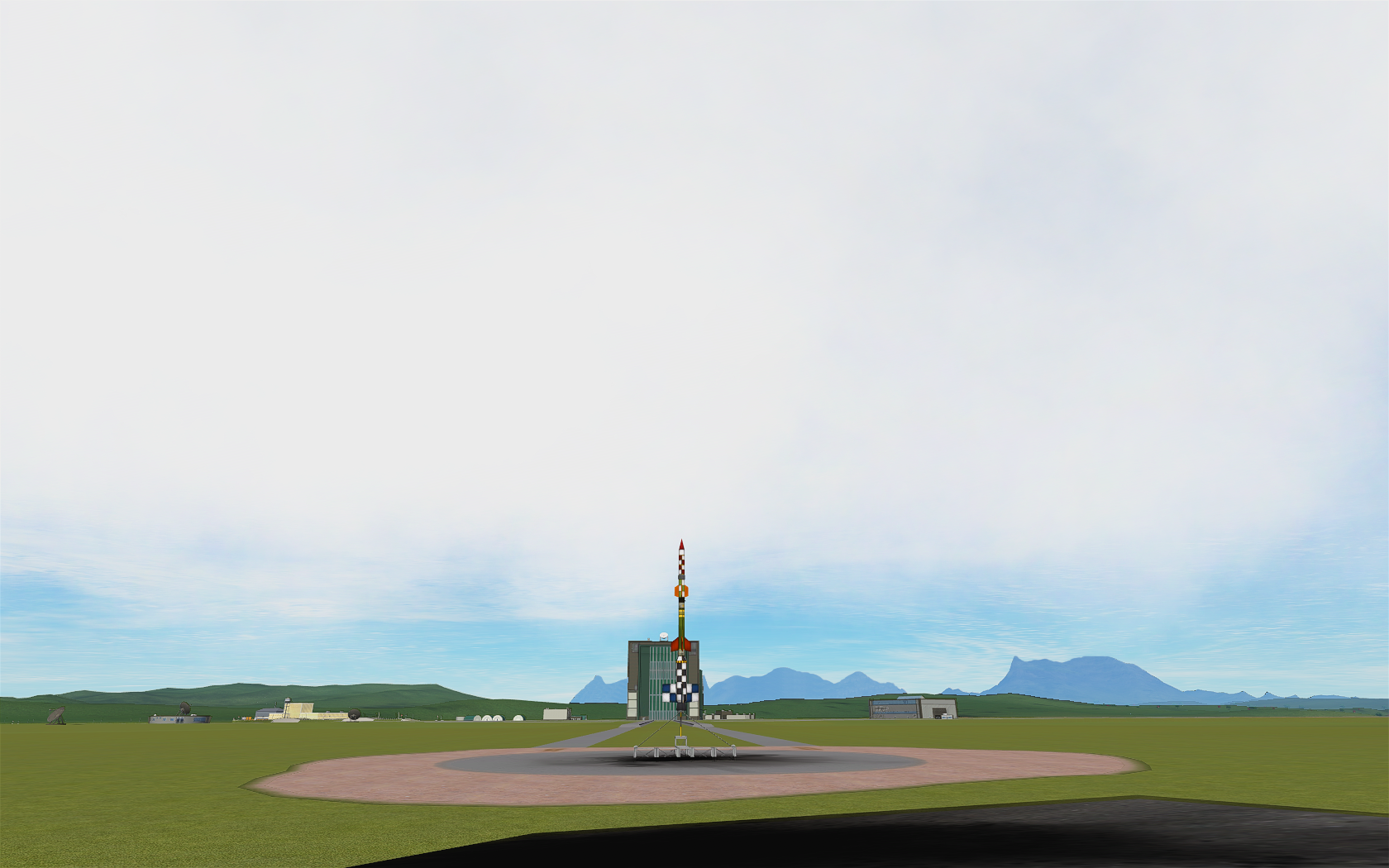
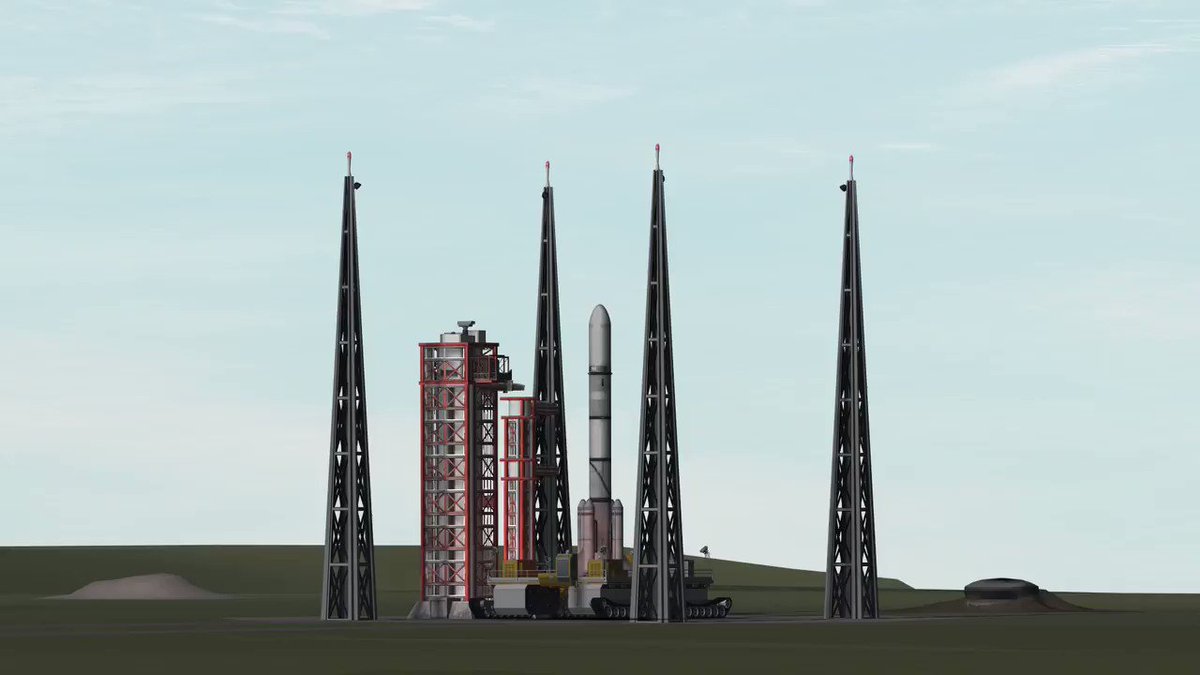
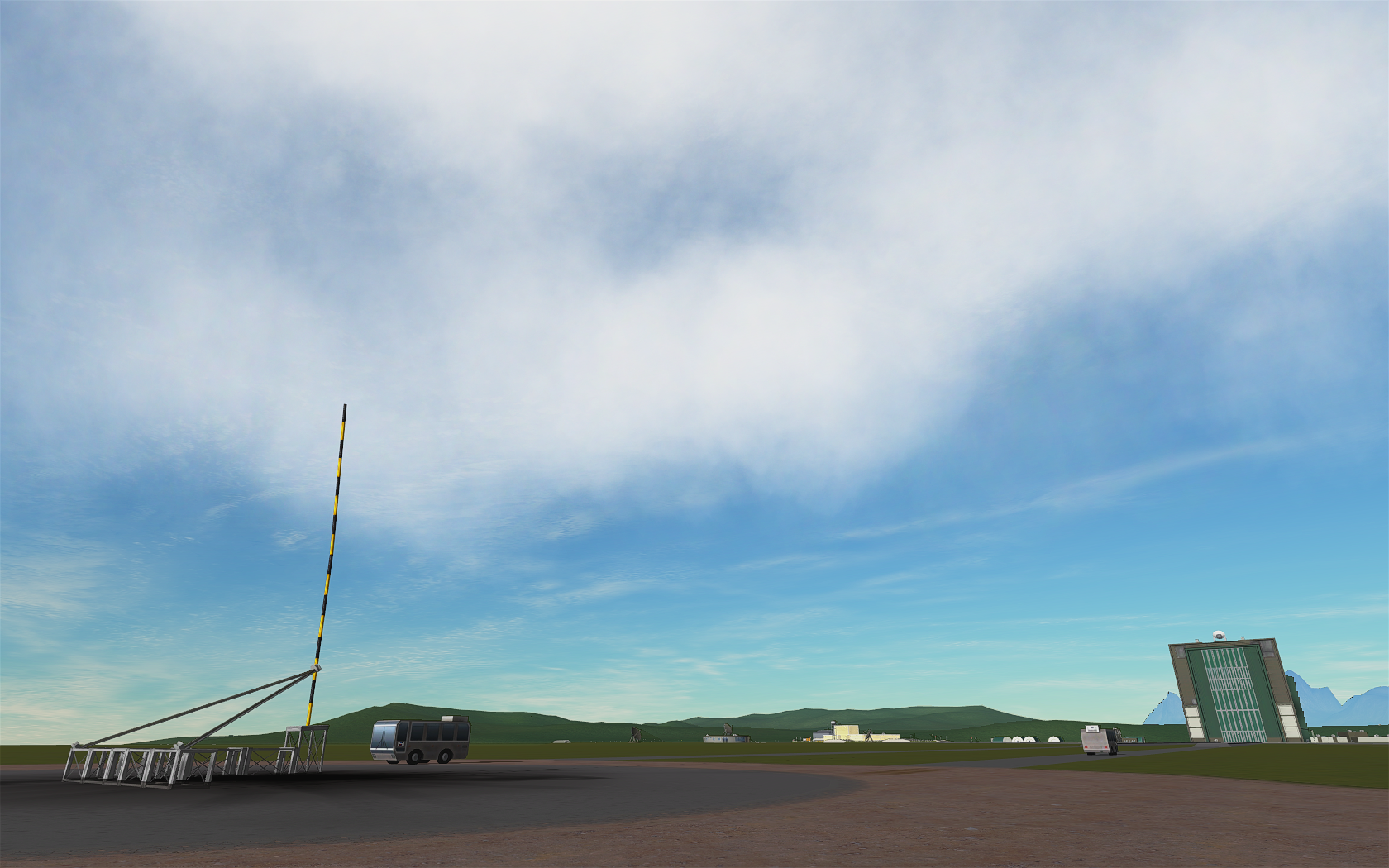
Part of the KSC tour package includes a trip out to the launch pad, now occupied by the empty Progeny launch base, which can seem a lot smaller in photos without something nearby for scale

Super Mun (Artist Conception) (9/10/11)
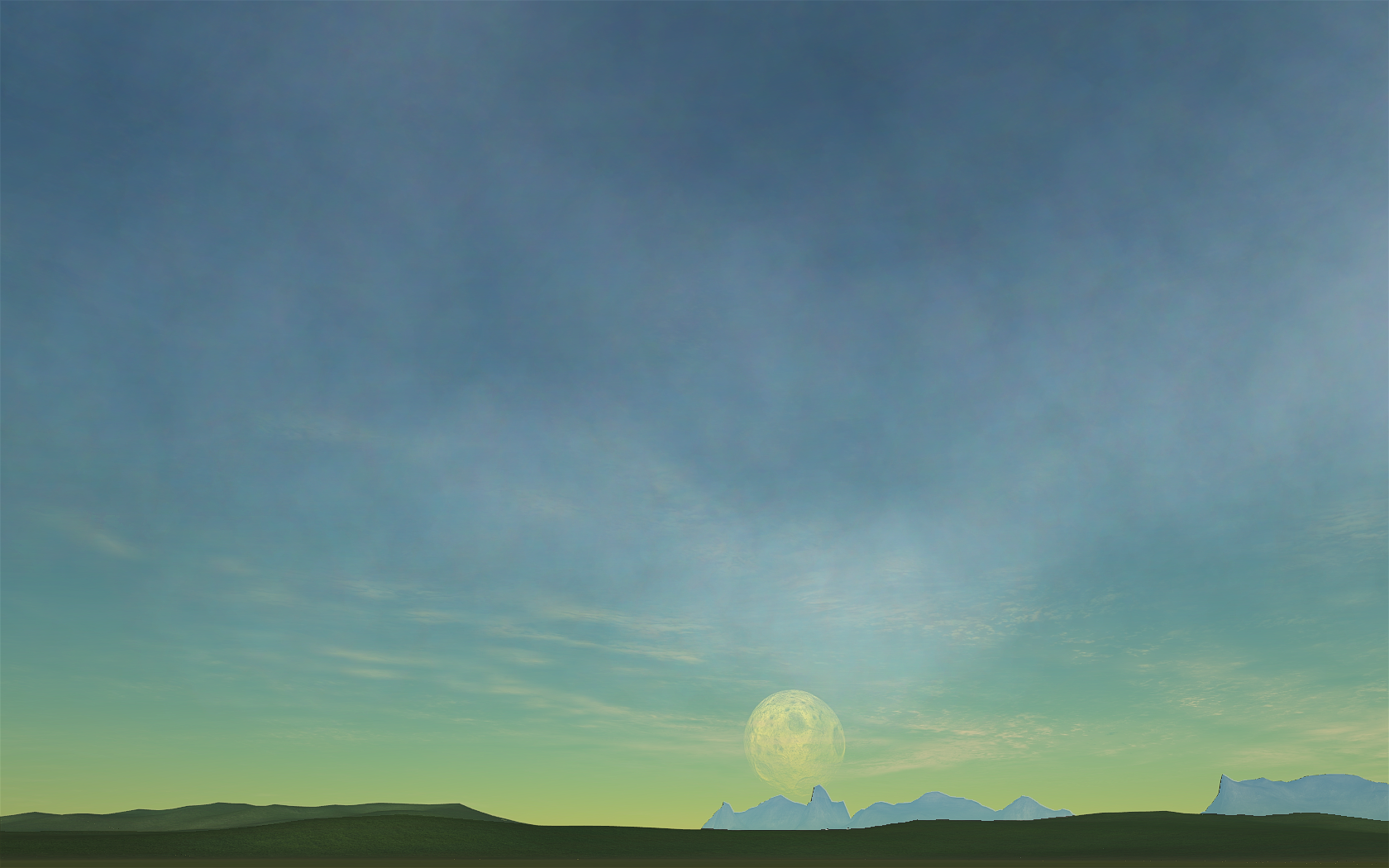
A question asked during a recent tour was "why does Mun move east to west but its shadow during an eclipse moves west to east?" The answer is that west to east is the direction Mun moves in, but we see it move east to west thanks to the rotation of Kerbin being faster than its movement. Like anything in orbit around Kerbin, if it were to move west to east in the sky it would have to be within the keostationary orbit altitude of 2,863.33 km - which means it would also look like this!

Progeny Mk5 No.1 (9/11/17)
You'd think it was a Mk4 at first glance until you looked closely and noticed the little bulge just above the fins on the upper 3rd stage that houses the new control unit that will eventually allow the rocket to control itself after launch. For now though the code is still in testing mode, which means it will monitor the rocket and simulate taking action at certain times while ground controllers actually fly the rocket for this launch.

Flight Time (9/11/17)
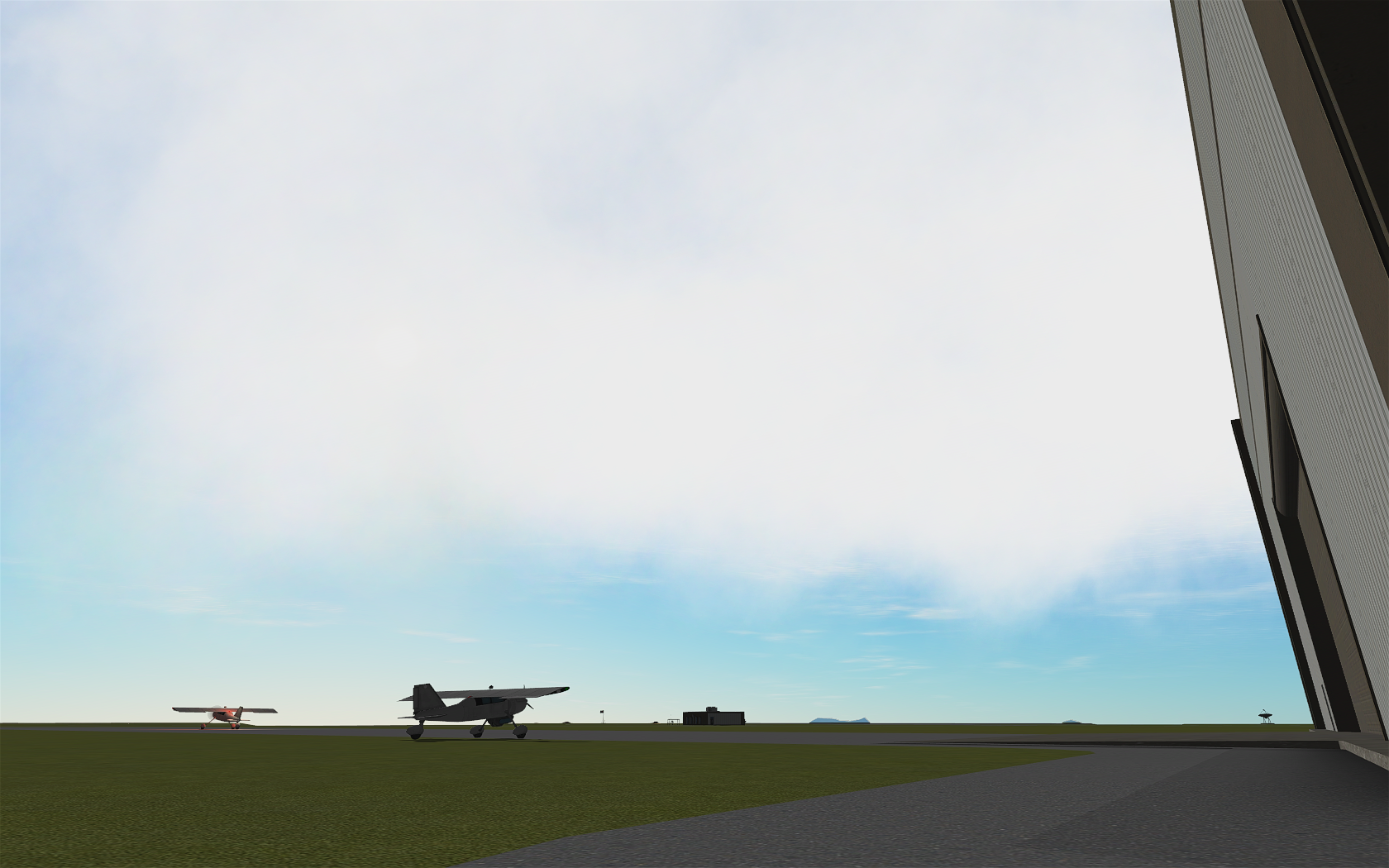
Heading out despite iffy weather conditions to observe some high-altitude terrain, Captain Jebediah taxis a Civvie to the runway

Distant Volcano (9/11/17)
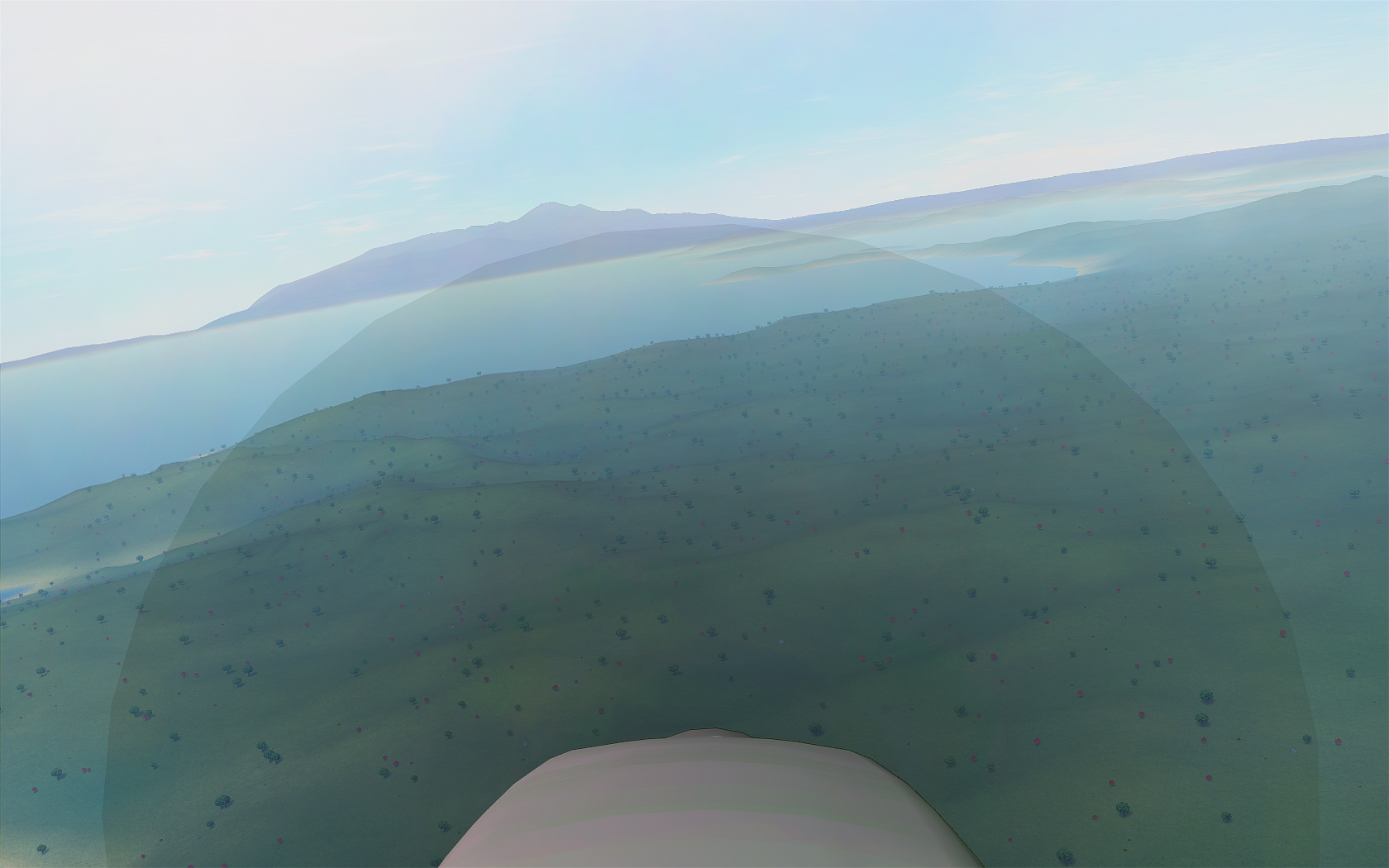
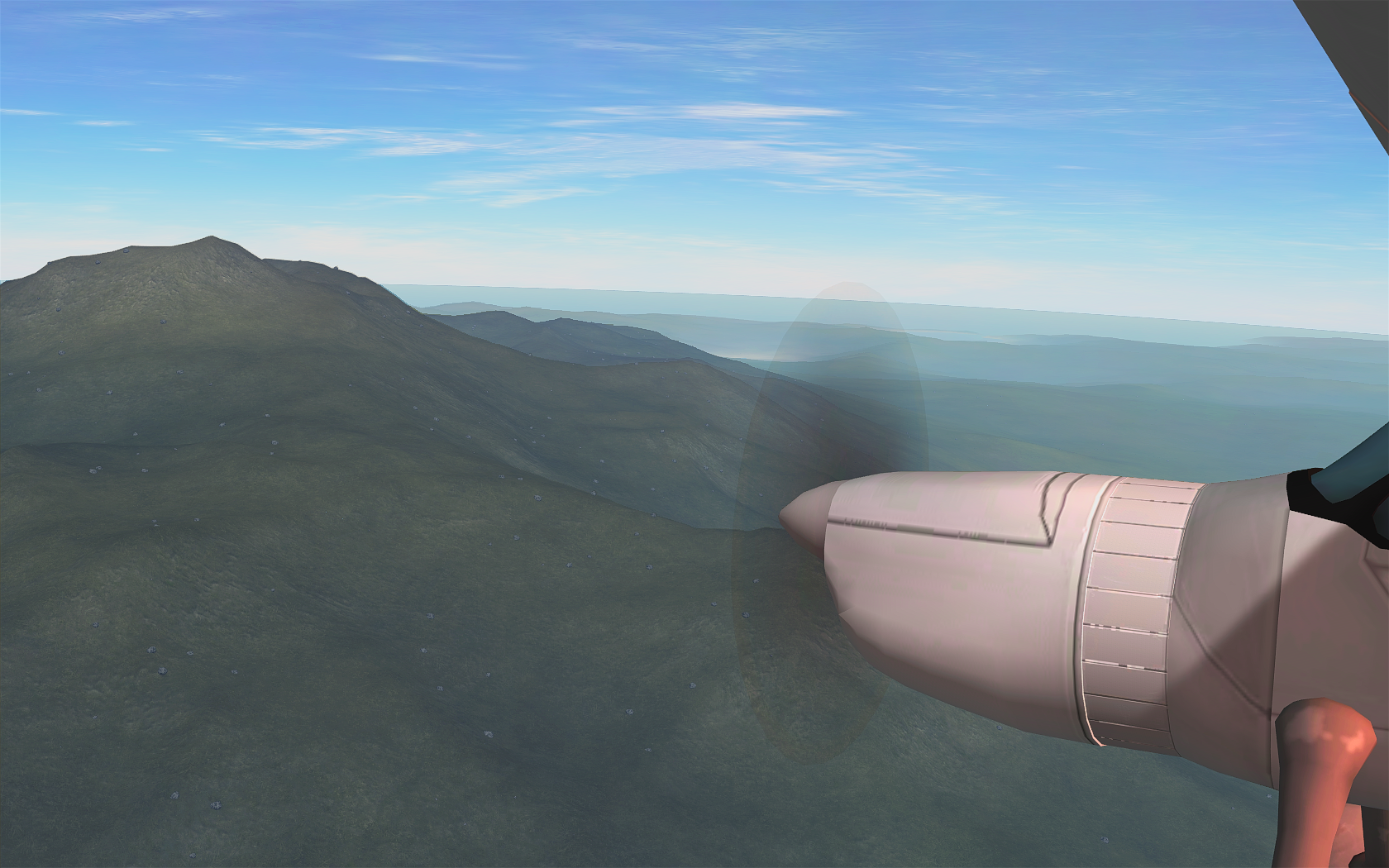
The massive mound of an extinct volcano, the target of this Civvie aerial observation flight by Captain Jebediah, rises up in the distance as he turns to stick close to shore in the unlikely but still possible event of an engine failure

Cloud Dapple (9/11/17)
A pattern of cloud shadows drapes over KSC as Captain Jebediah sets up for a downwind leg on his pattern approach to land on Runway 27

Expensive Lawn Dart (9/11/17)
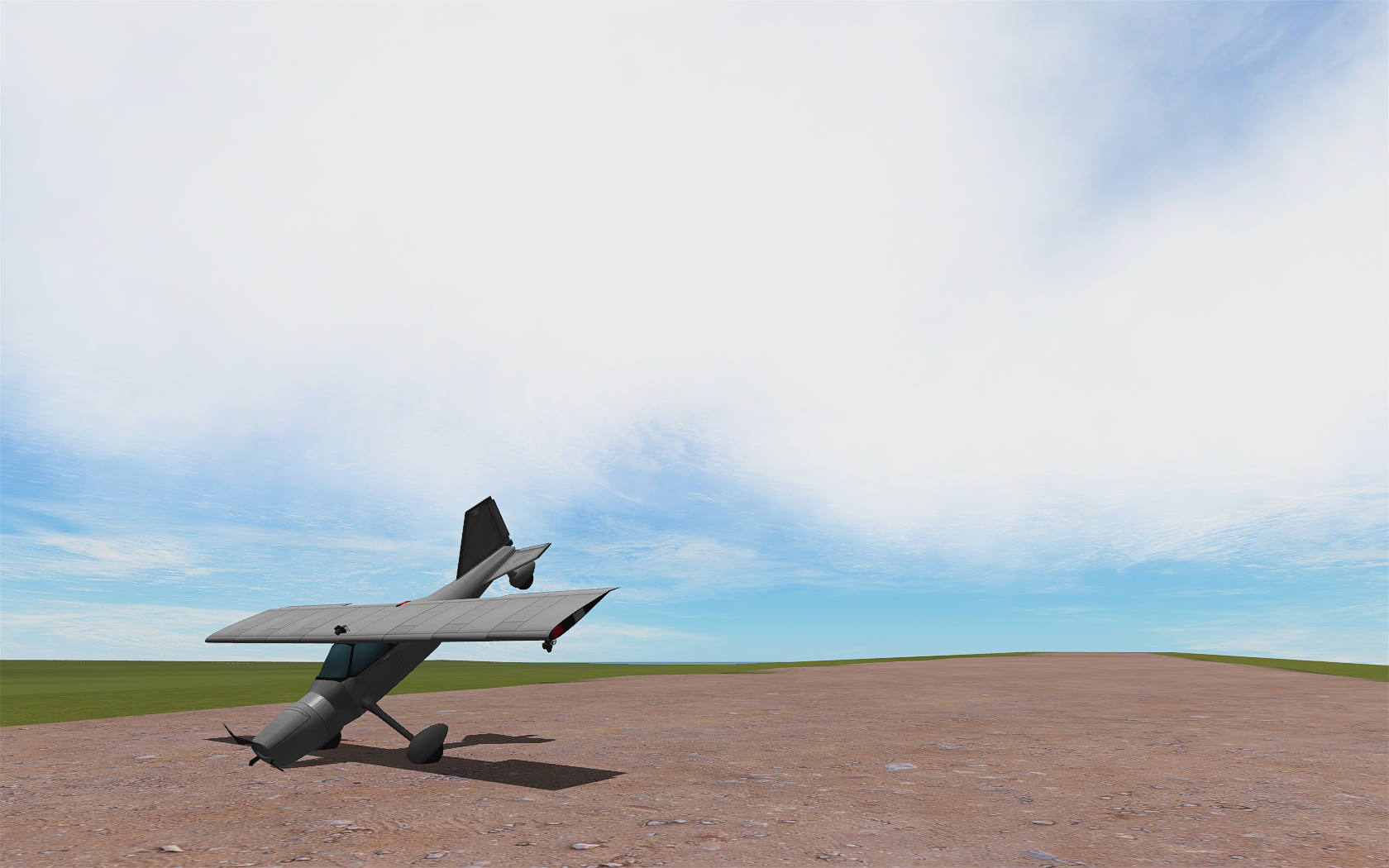
g in for landing, Captain Jebediah was attempting to pull off a descent Commander Val has done twice now, which is to pull the throttle back to idle and then not touch it the entire way down. He ended up coming in too shallow on final approach for a proper glide but attempted to pull it off anyways rather that face humiliation with a go-around. Turns out he still ended up embarrassed when he stalled just over the runway, hit all three gear, bounced, nosed over, struck just the main gear and fell forward, burying the prop. No serious damage to Jeb or the plane, which will need a new engine.

Volcanic Peak (9/11/17)
The top of the volcano located at the southern tip of the landmass on which KSC resides is suspected to reach as high as 2-2.5km

Multiple Calderas? (9/11/17)
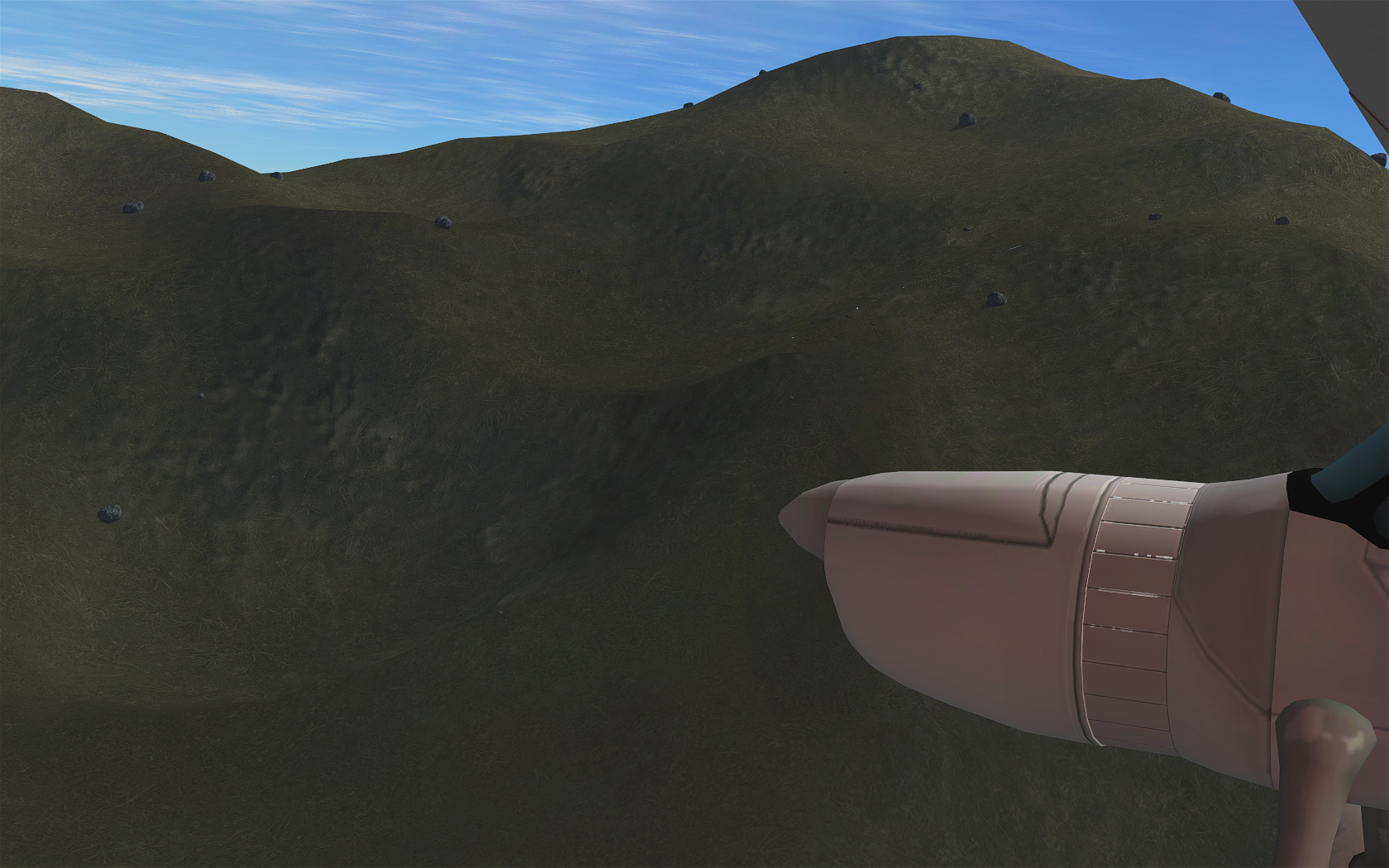
The southern slope of this extinct volcano appears to sport numerous crater-like features from which lava could have poured out millions of years ago

Sarnus Occultation by Mun (9/12/17)
Slipping behind Mun the previous day, Sarnus winks out for almost an hour

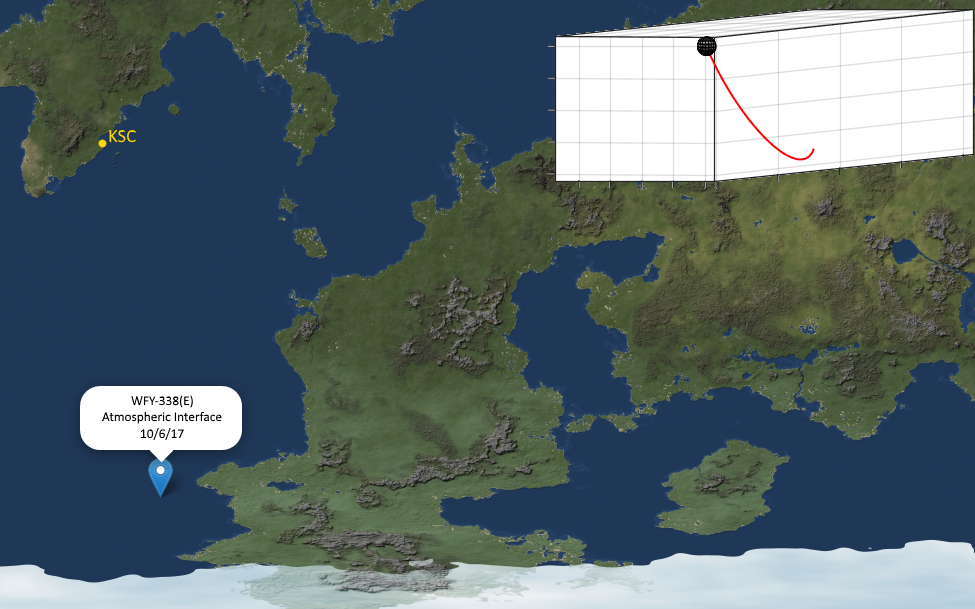
WFY-338(E) Plot (9/12/17)
Expected to impact the water, it will cause no trouble for any current surface operations

Weather Outlook: Not Good (9/12/17)
Several hours before launch of the first Progeny Mk5 rocket and the cloud conditions over KSC have not been looking good all day

Still Cloudy (9/12/17)
After an entire day cycle cloud conditions over KSC have failed to improve for the first Progeny Mk5 launch coming next sunrise

Too Cloudy? (9/12/17)
Conditions look iffy for an on-time launch of the first Progeny Mk5 rocket unless the skies clear up in the next 30 minutes

Progeny Mk5 No.1 Go for Launch (9/12/17)
Weather conditions thankfully improved in the time leading up to launch after some iffy conditions presented themselves at sunrise

Progeny Mk5 No.1 Launch (9/12/17)
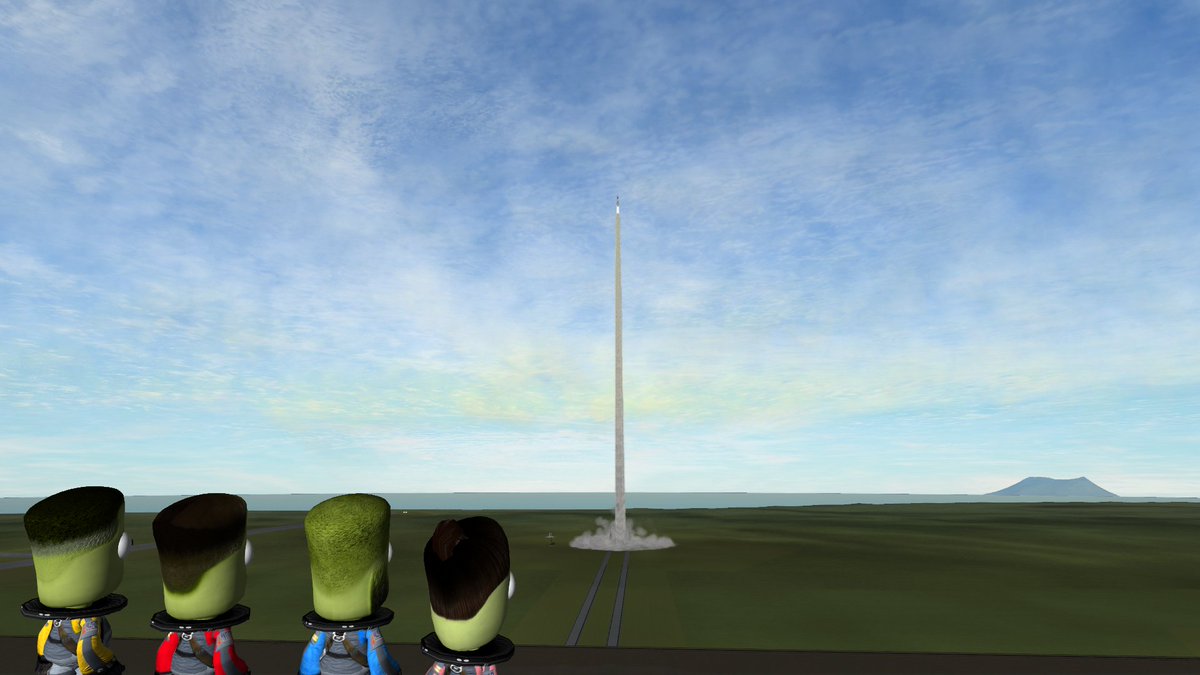
Lifting off into a mostly-cloudy sky, visual observation conditions were close to being outside of constraints, but upper-level clouds were clear over the launch site. The first flight of the Mk5 was a complete success, reaching space with an apokee of 94.67km before being recovered from the Kerblantic just 41.8km downrange

Dawn Rollout (9/13/17)
Strong winds won't stop mounting crews from getting the job done, as the second Progeny Mk5 heads to the launch pad to get attached to its base

Progeny Mk5 No.1 Trajectory (9/13/17)
The full path of the first Mk5 flight using our new plotting software. Each dash mark is one second

Progeny Mk5 No.1 Ascent Path (9/13/17)
A close look at the ascent for the first Mk5 rocket using our new plotting software. Each tick mark is a second, and you can see how the rocket accelerates during boost and then slows during coast - except for the third stage, which remains constant as thrust was kept at 2 TWR the whole time

Progeny Mk5 No.2 (9/13/17)
Ready for launch just two days after the first, our second Progeny Mk5 rocket aims to further test our automation software with this launch being both partly manual and partly automatic

Progeny Mk5 No.2 Ready for Launch (9/14/17)
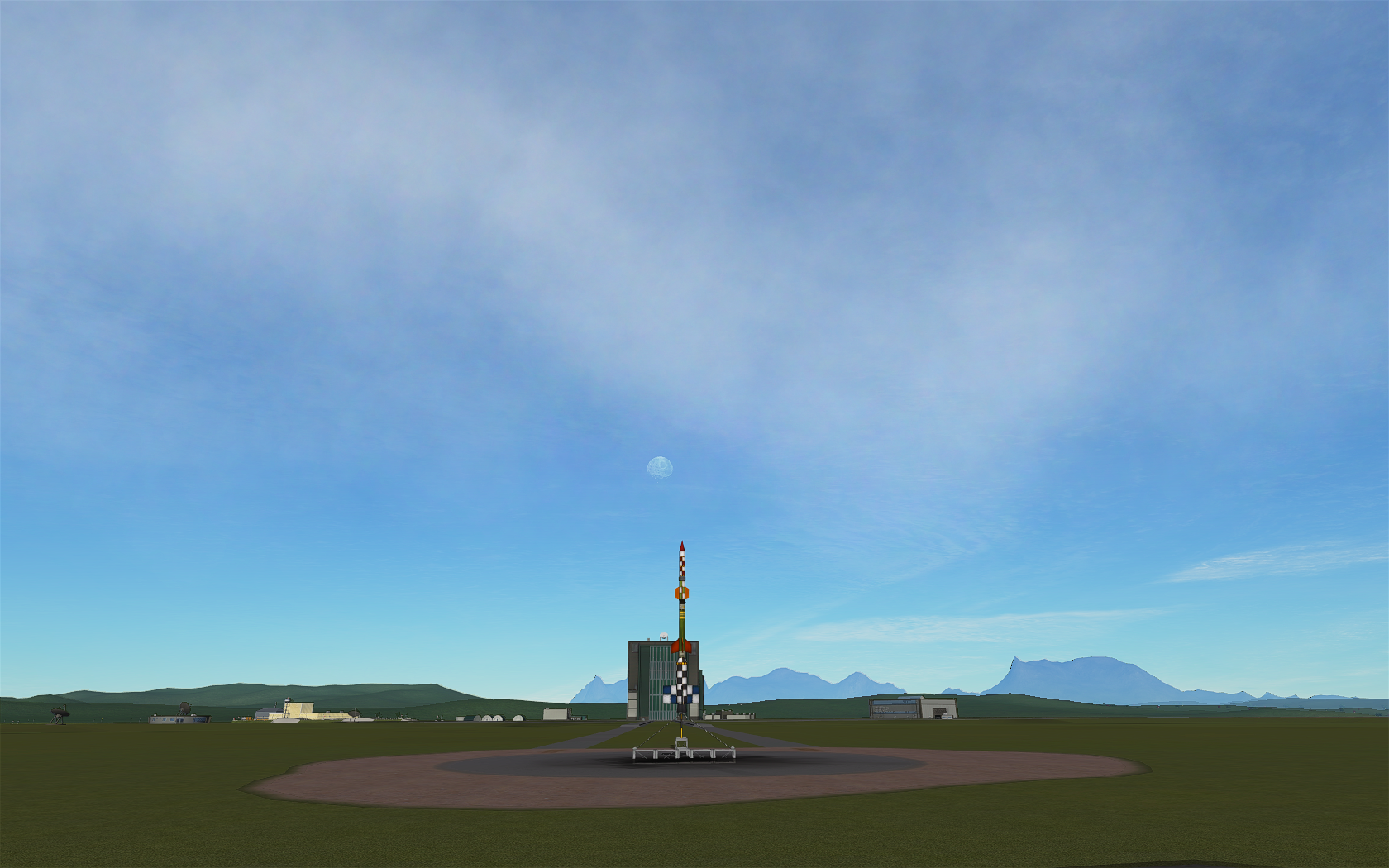
Great weather to start the day as KSC prepares to launch its second Progeny Mk5 rocket

Nighttime Fuel Ops (9/14/17)
The liquid fuel tanker is hooked up to the second Progeny Mk5 launch base, sending fuel up the launch rail into the 3rd stage tanks while the oxidizer truck stands by for its turn.

Sky on Fire (9/14/17)
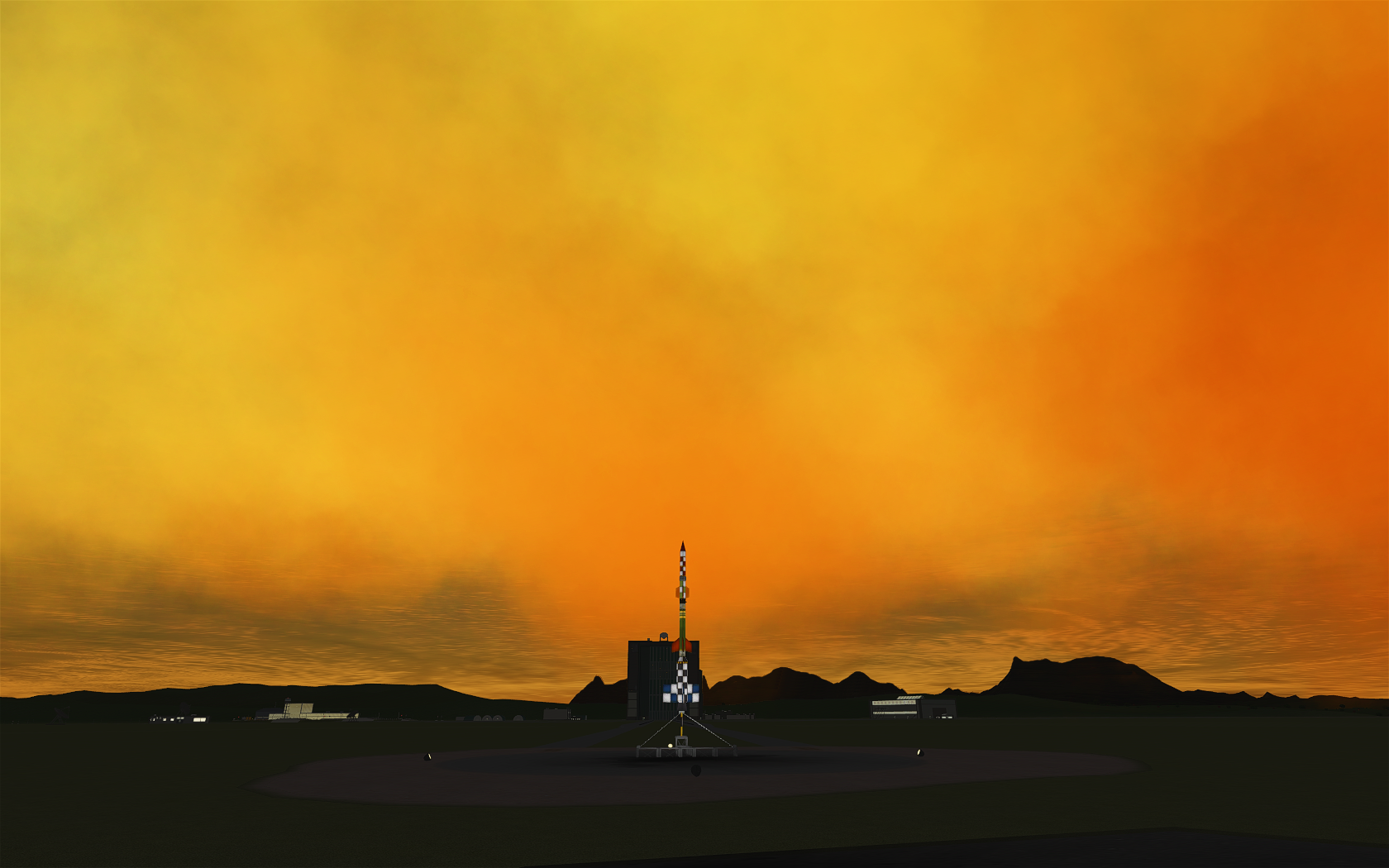
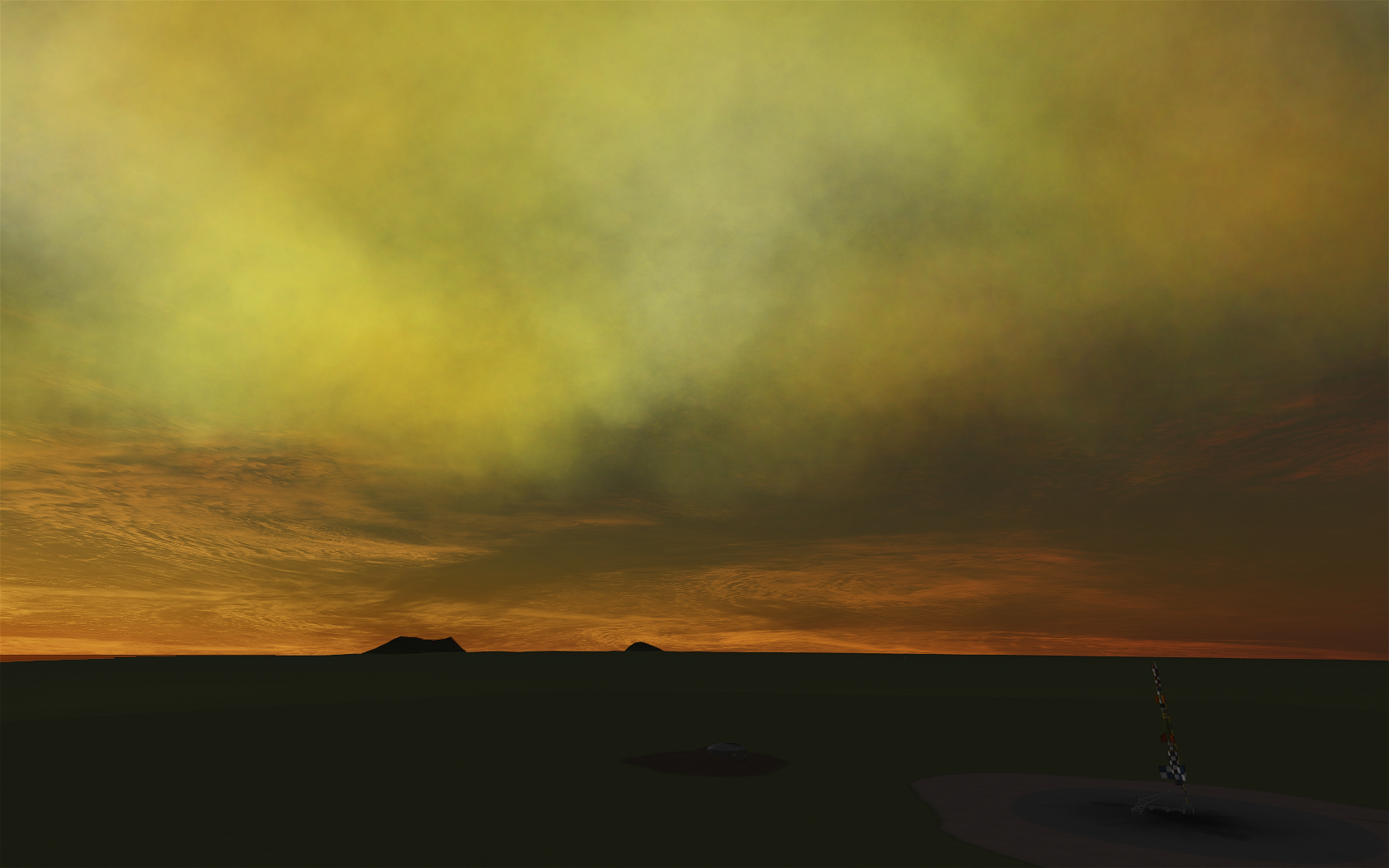
A brilliant sunrise ignites the heavy clouds sitting over KSC. On the launch pad sits the second Progeny Mk5 rocket and it's not going to be heading up into space anytime soon

Cmoonnnnn Clear Skies... (9/14/17)
Lots of clouds the day cycle of a launch is never a good thing, and as the second Progeny Mk5 awaits clear skies for lift off, eager gazes look to the southwest for relief

Towards the East (9/14/17)
Off to the side of the lens, the second Progeny Mk5 seems pitched over a bit more than it actually is, but regardless it's still pointed in the right direction

Into the Clear Blue (9/14/17)
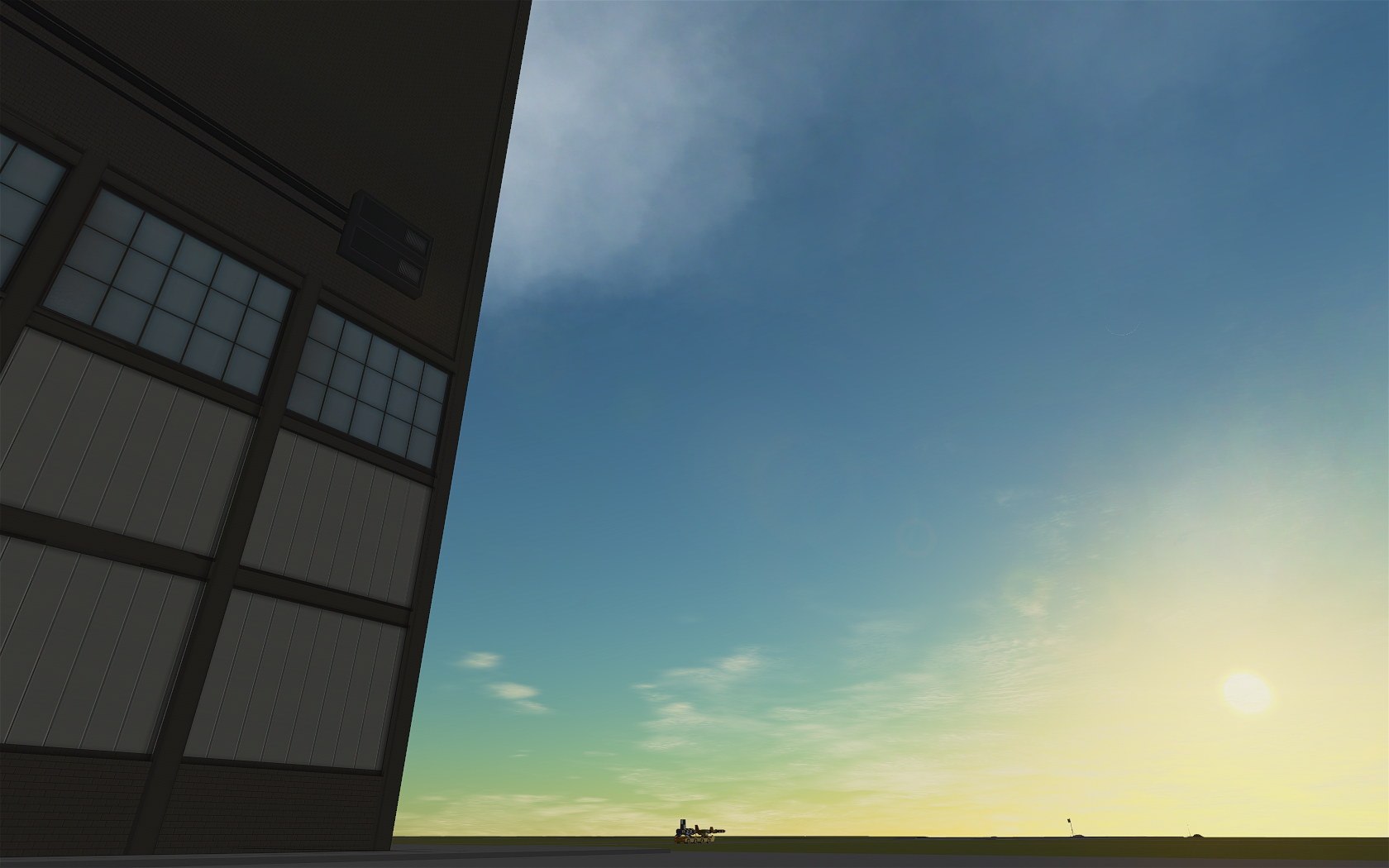
After almost a full day cycle of delay due to heavy clouds, skies finally cleared up for the launch of the second Progeny Mk5

Progeny Mk5 No.2 (9/14/17)
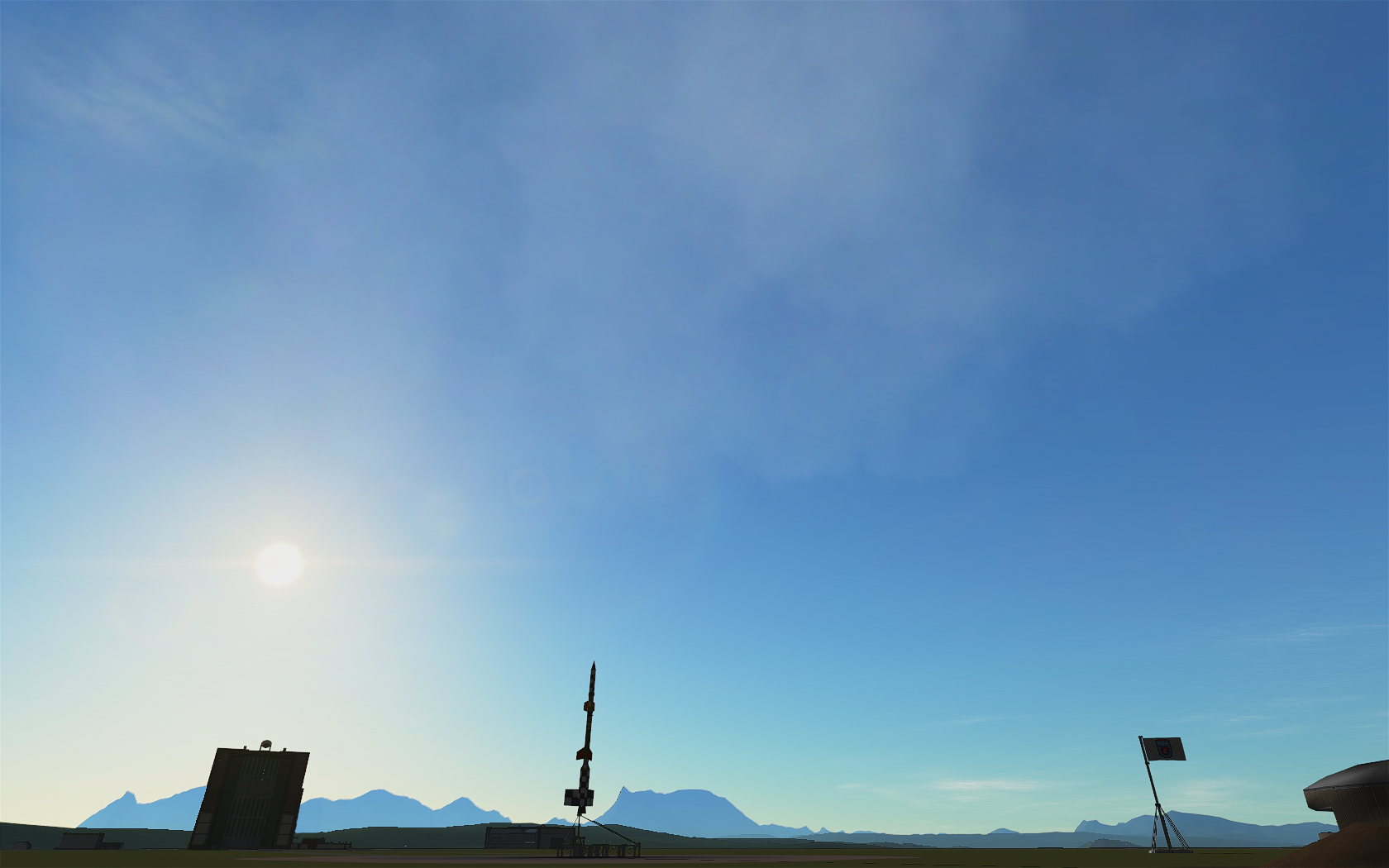
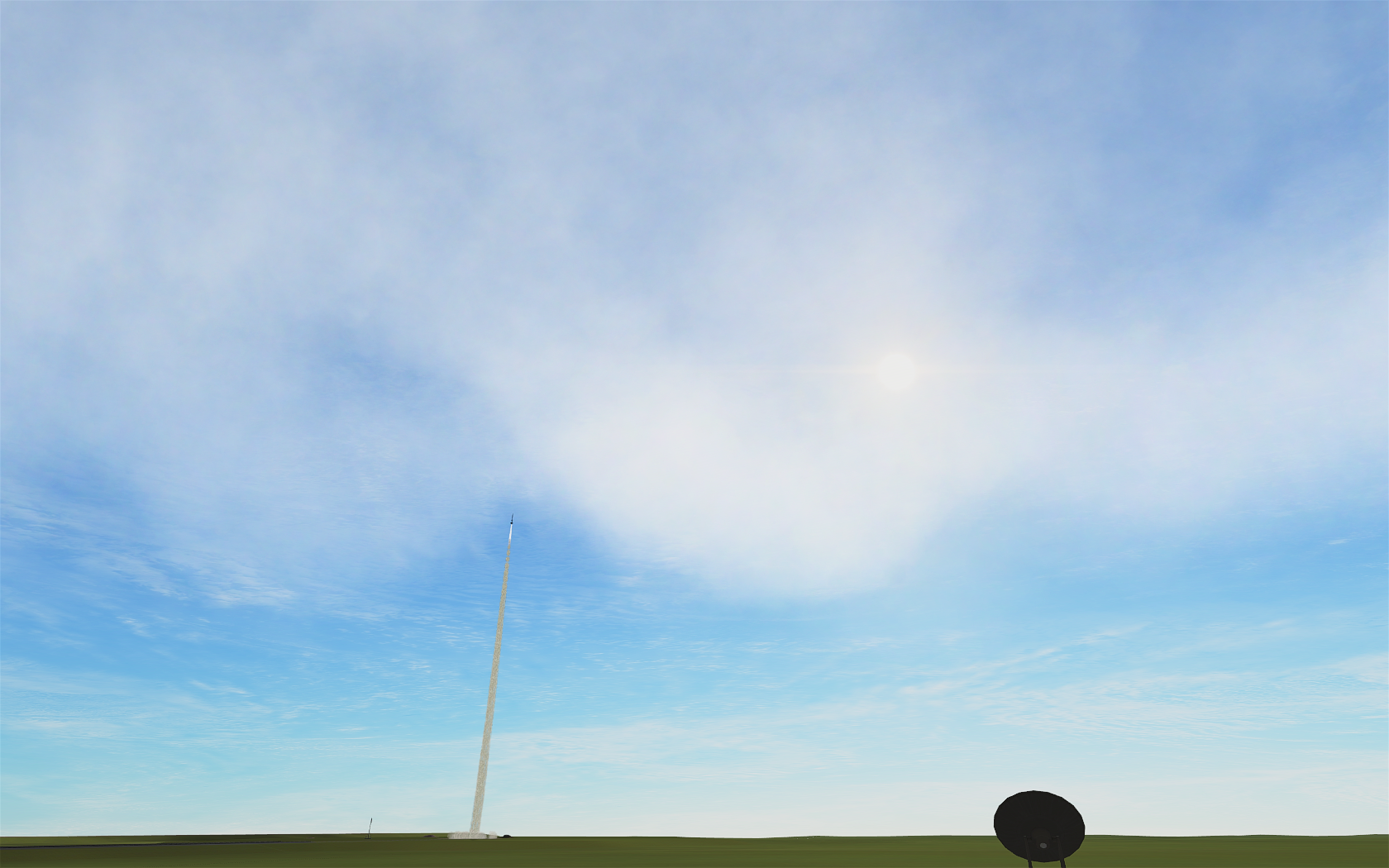
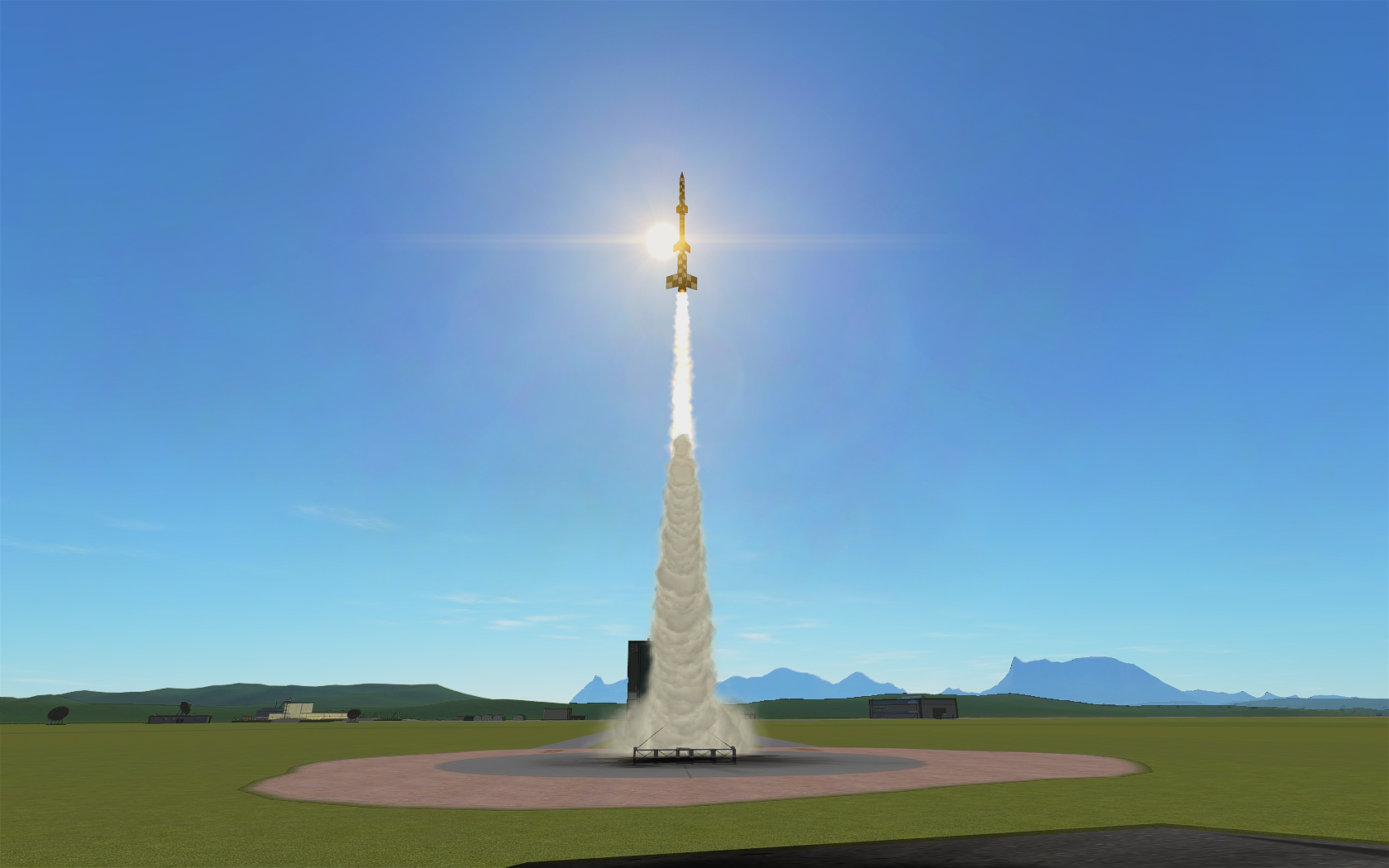
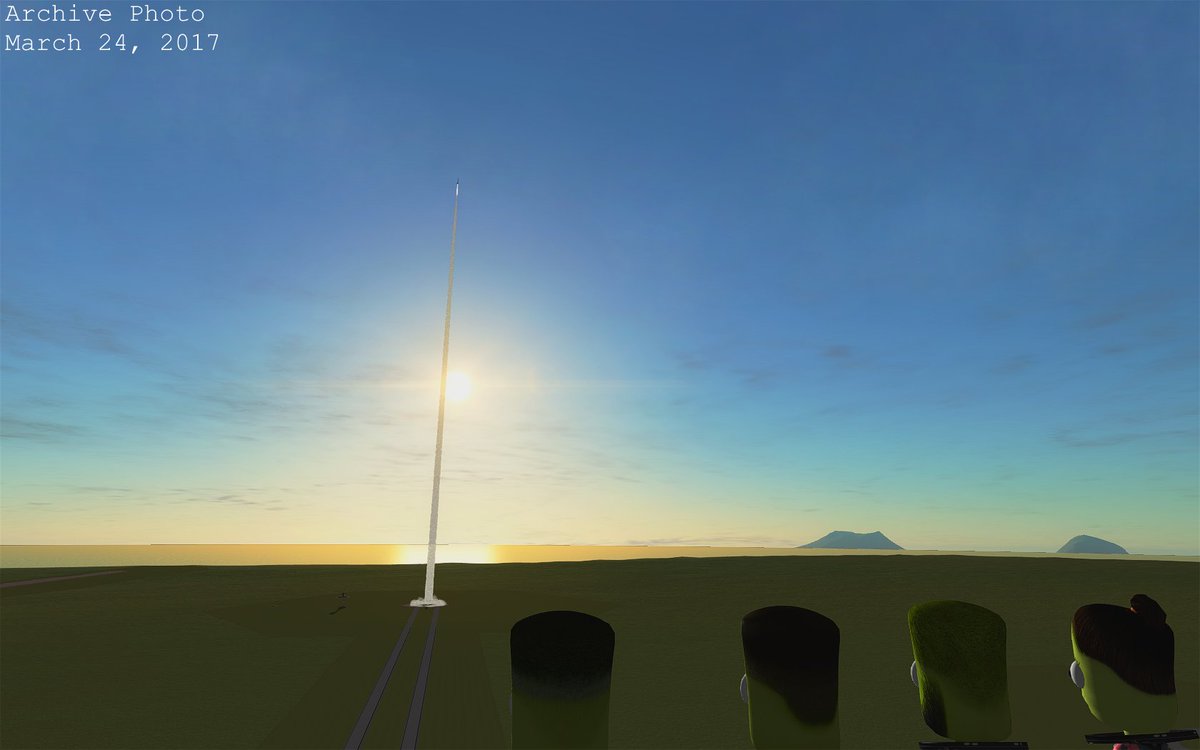
Launching at the end of its window thanks to heavy cloud cover earlier in the day cycle, the second Mk5 shoots up past the sun on its way into space, reaching an apokee of 94.8km

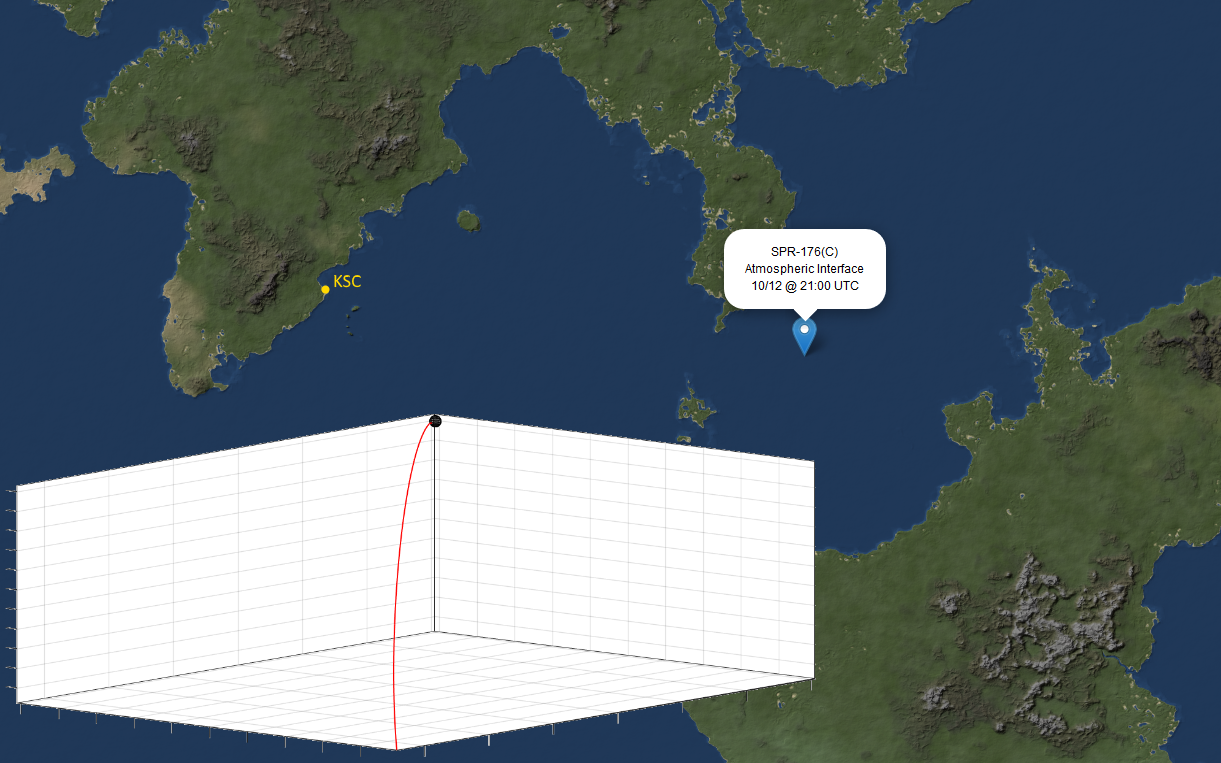
SPR-176(C) Plot (9/14/17)
Fortunately lately all the asteroids with high chances of reaching the surface intact have posed no threat to surface ops, including this one

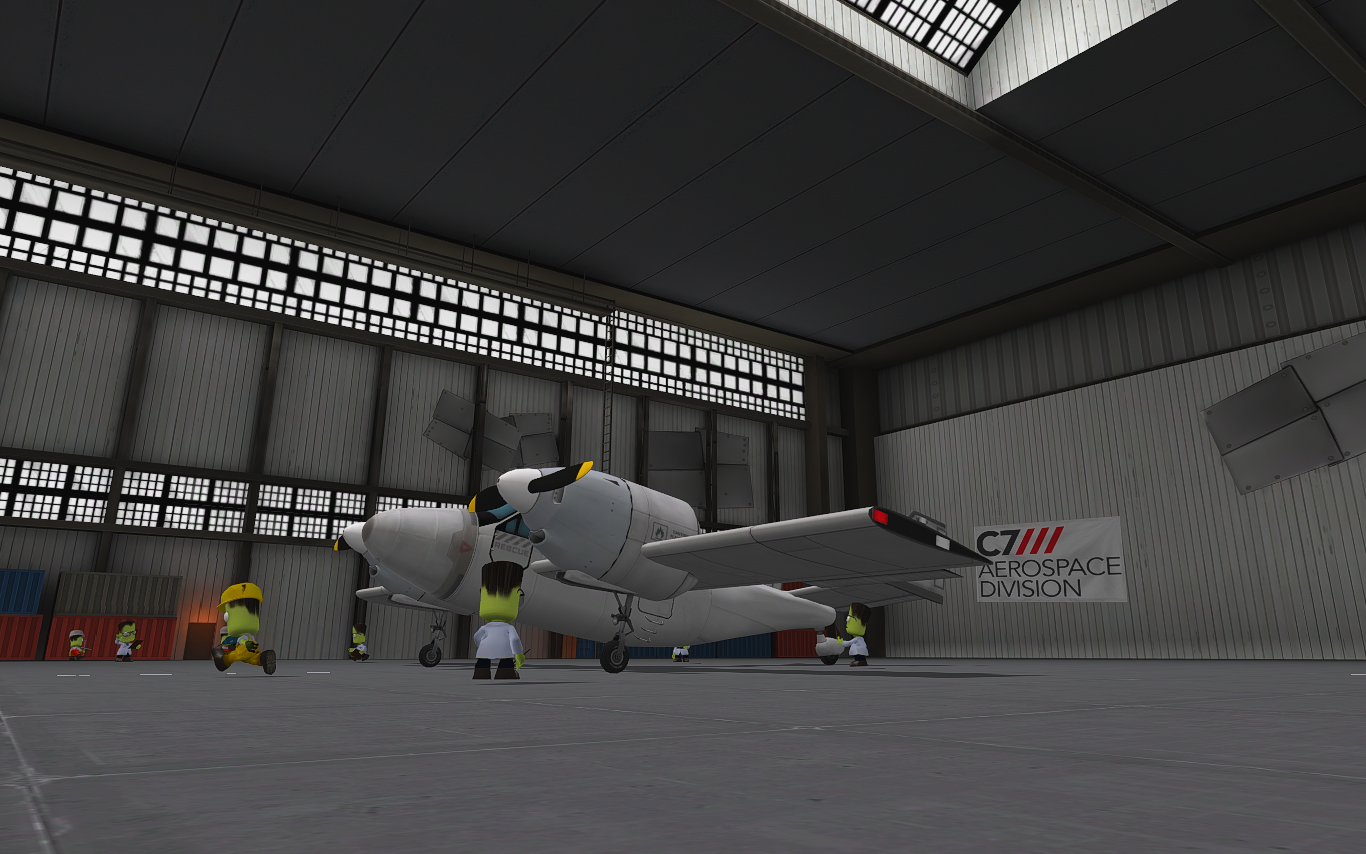
Deuce Final Redesign? (9/15/17)
Completing re-construction of its tail section and wings to move the engines further forward to help with pitch balance issues, C7 Aerospace is hoping this Deuce iteration will be The One that heads into full production. We should know after flight trials continue next week

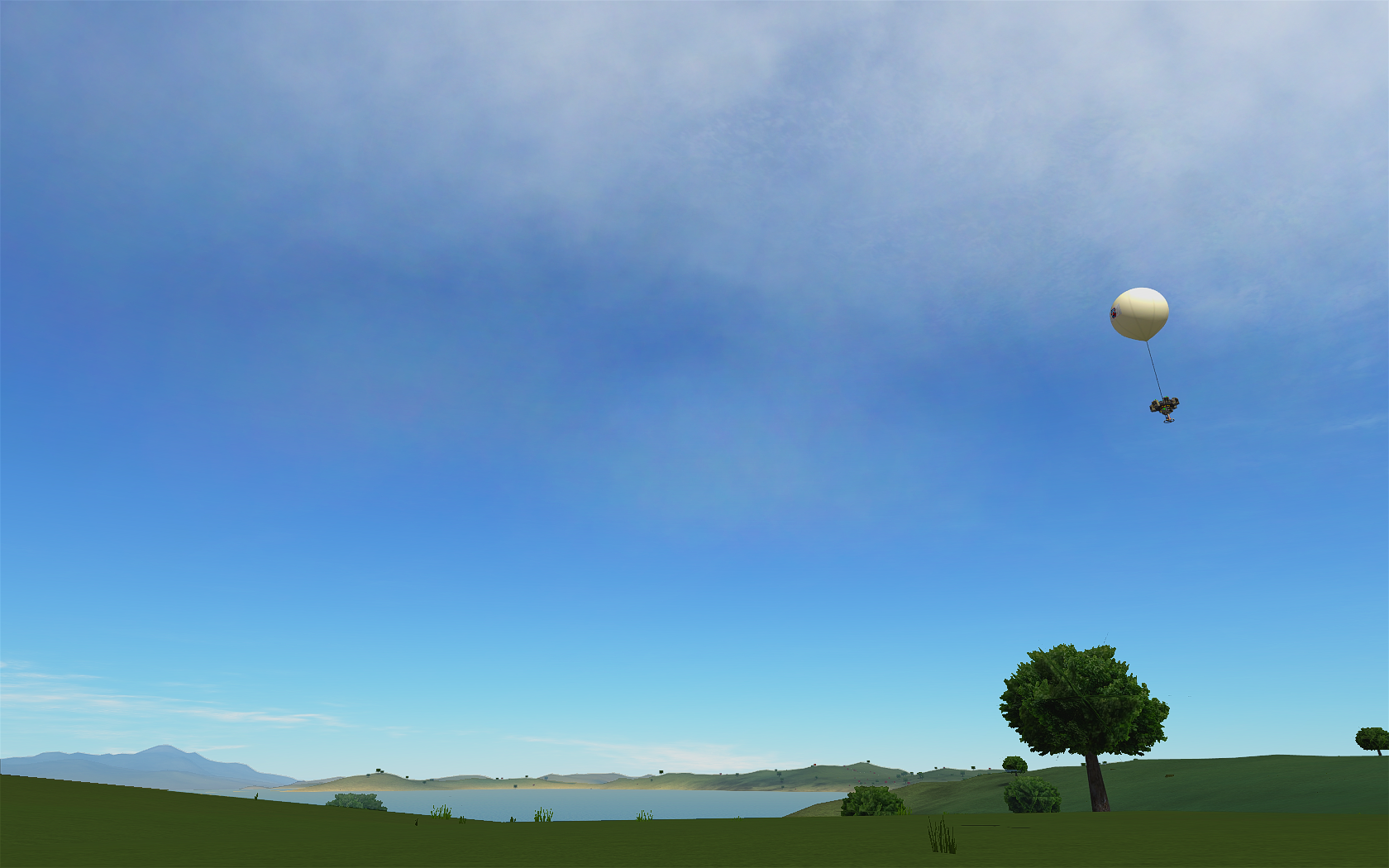
KerBalloon Launch (9/15/17)
A high-altitude balloon heads up into the sky. Although clouds hover above, which can lead to icing & an early envelope failure, the team have decided they will move on by the time the balloon reaches the colder upper atmosphere & the following clear skies will be above it
Sep 14 2017
Progeny Mk5 Flight 2
Aug 18 2017
Operations Summary – Week of 8/14/17

Bridge Over Water (8/12/17)
The causeway connection KSC and the Support Village has openings to allow floodwaters from heavy rainfall to flow into the ocean. This is also why they KSC and the Support Village are built on land several meters higher than the surrounding terrain

Better Weather (8/14/17)
Some nasty storms came through the past few days, causing us to have to repair the runway. Clearer skies have now returned and we hope they stick around for a while

Each Their Own (8/14/17)
Commander Valentina and Captain Jebediah are each embarking on a mission this day cycle, with Jeb taking out a Civvie for some contract flights while Val puts the rebuilt Deuce through its paces on the ground to make sure it is ready to resume flight trials

Mountains and Mun (8/14/17)
Out over the Highlands north of KSC for some atmospheric sampling, Captain Jebediah pilots a Civvie at 4.5km, the highest anyone can fly without a pressurized suit or cockpit

Moho & Sarnus Appulse (8/15/17)
Passing by each other in the sky at dawn, they are joined also by Urlum and Eve. Neidon is there too, but very faint to the lower left of Urlum

Progeny Mk4 Space Trajectories (8/15/17)
The two flights of the Mk4 that made it to space are shown here. Flight 3 reached a higher apokee thanks to its 3rd stage throttling to full power, while Flight 4's 3rd stage remained at 50% thrust the entire ascent. If you look closely at the initial ascent you will see Flight 4 was actually flying higher initially due to its lower TWR at liftoff producing longer burn times for its two solid booster stages,

Progeny Mk4 Alternate Designs (8/15/17)
As we were not completely sure the Mk4 would be able to reach space as originally designed, variants were developed in case we needed some extra push. At top we have three Mk1-B boosters strapped to the 1st stage which would have provided extra thrust at the start of the ascent. Below we have an extended 3rd stage with additional fuel to power the engine longer. These designs may still find use with the Mk5

Program Patch (8/15/17)
The design for the Mk5 patch reduces the size of the lower stage boosters and also lowers the representation of Kerbin to signify the higher altitudes this rocket will reach in space

Progeny Mk5 (8/15/17)
The last of the initially planned rockets in the Progenitor program, the Mk5 will be our workhorse sub-orbital rocket, capable of carrying small payload instruments to low-Kerbin space. It will also be the testing ground for our automated control scripting

kOS Boot Control (8/15/17)
The flowchart outlines the script that will manage the run programs sent to a rocket for execution. Each run program will perform a specific task and when it is completed, the script will be removed or kept for later use. New run scripts can be easily sent to the rocket to update existing instructions or load new ones

Exterior Check (8/16/17)
Captain Jebediah walks the outside of the Deuce in order to make sure all control surfaces are free of obstruction, airspeed tubes are clear, tires are well-inflated, etc etc before climbing into the cockpit to prep the Deuce for its second flight trial

Short Final (8/16/17)
The Deuce makes its approach to the runway with Captain Jebediah at the controls. Although he crashed on his first attempt back in June, this time he was able to put the aircraft down on the runway without trouble.

Roller Coaster Ride (8/16/17)
Captain Jeb's second flight in the Deuce was only slightly better than his first. The aircraft still gave him a lot of trouble flying level despite reduced pitch authority for the control surfaces. We are beginning to suspect it may be more of an aerodynamics stability issue

Molten Sunset (8/17/17)
Low clouds make for a stunning sunset, but they don't allow aircraft to depart

Deuce Interior (8/17/17)
In addition to the two pilots up front there is cabin space for up to 4 passengers. Future cabin designs will also include carrying large scientific payloads in lieu of passengers