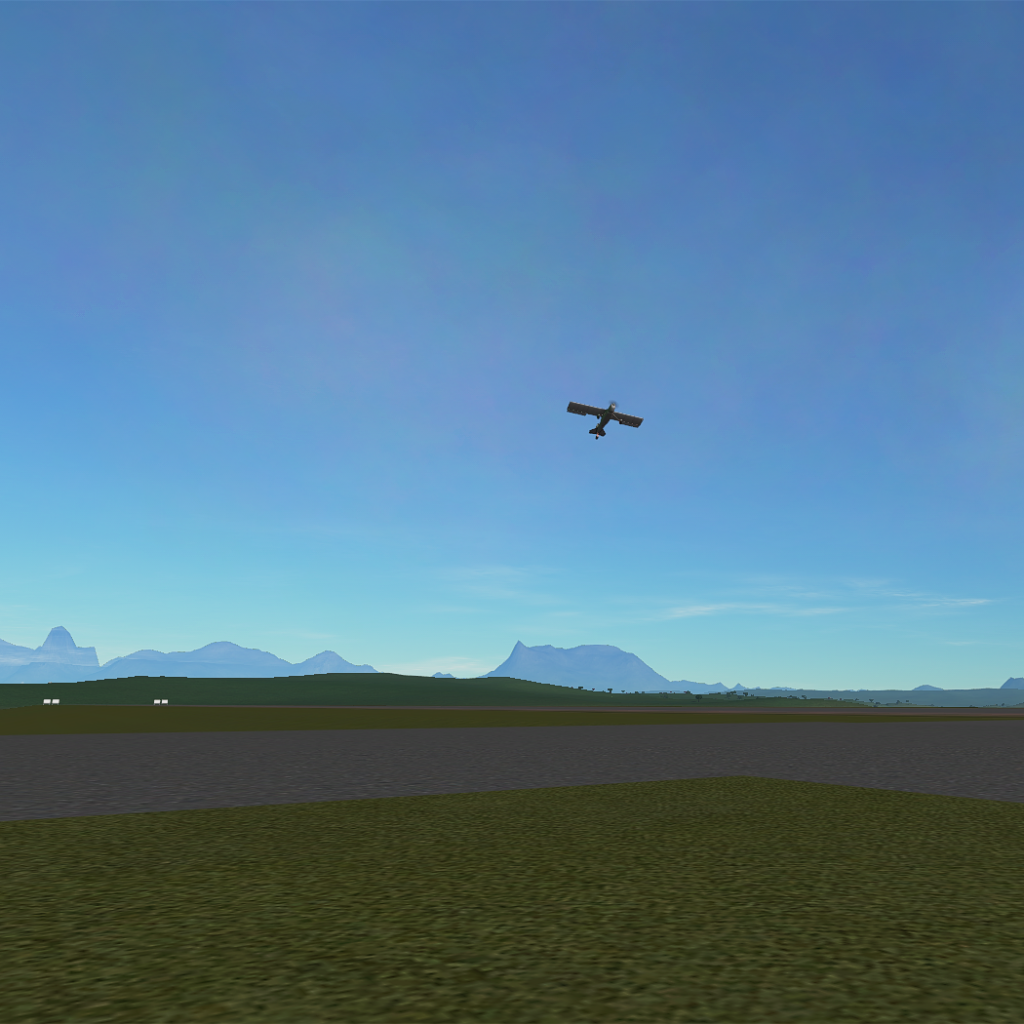
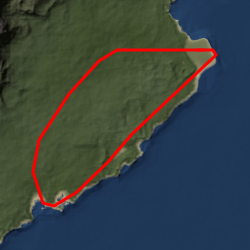
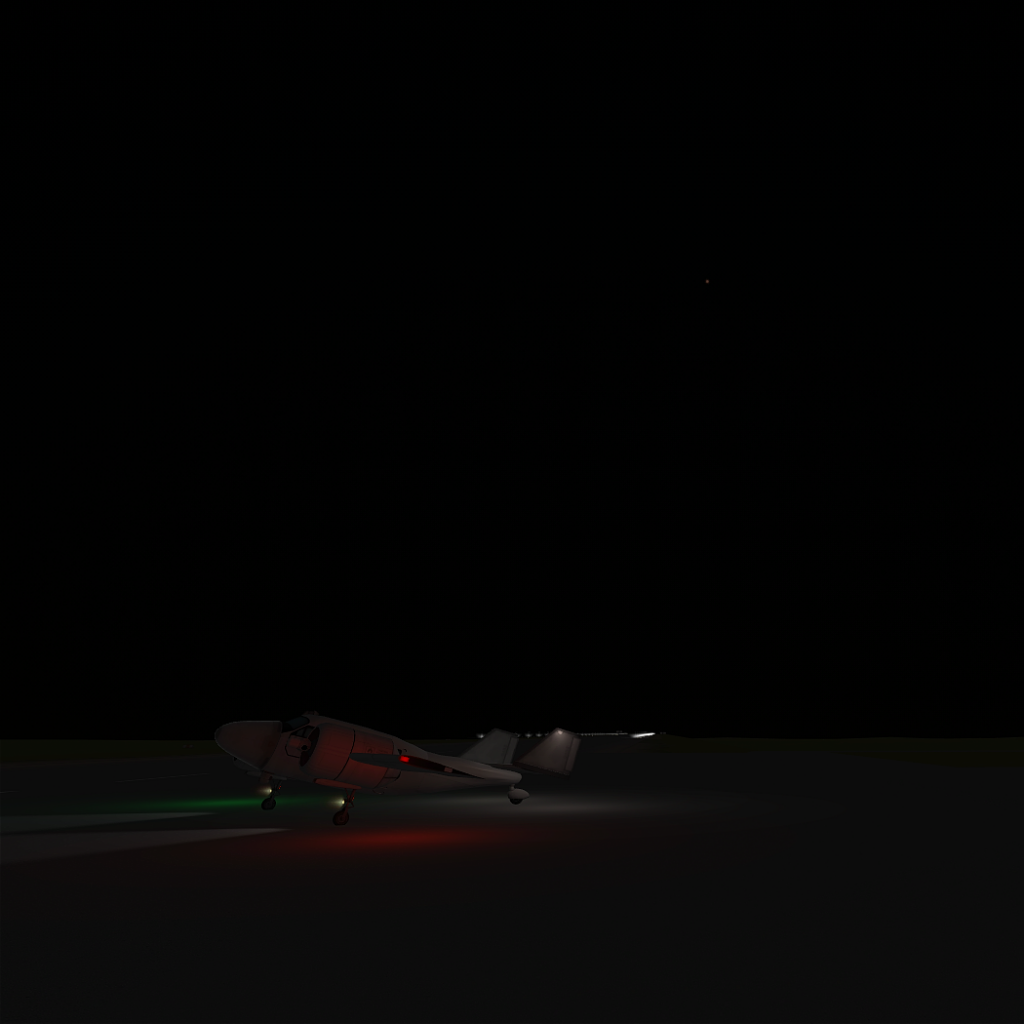
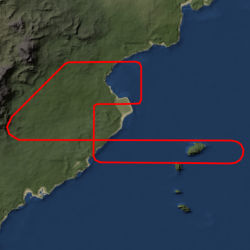
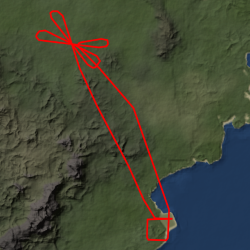
 Flight Officer Aldeny takes a Civvie out with its attached Atmospheric Fluid Spectro-Variometer over Sector ATM-06 to gather pollen readings, using KSCs night ops capability for new measurements
 |
 |



Dec 20 2018
Flight Officer Aldeny takes a Civvie out with its attached Atmospheric Fluid Spectro-Variometer over Sector ATM-06 to gather pollen readings, using KSCs night ops capability for new measurements
|
|
Dec 19 2018
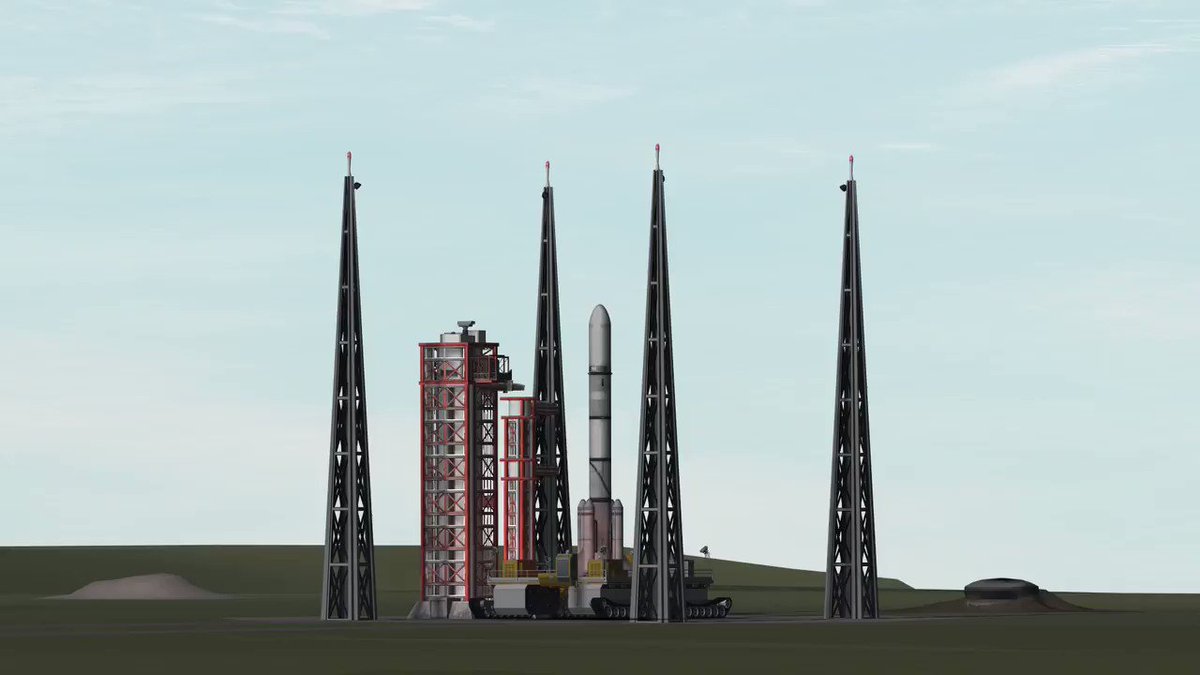
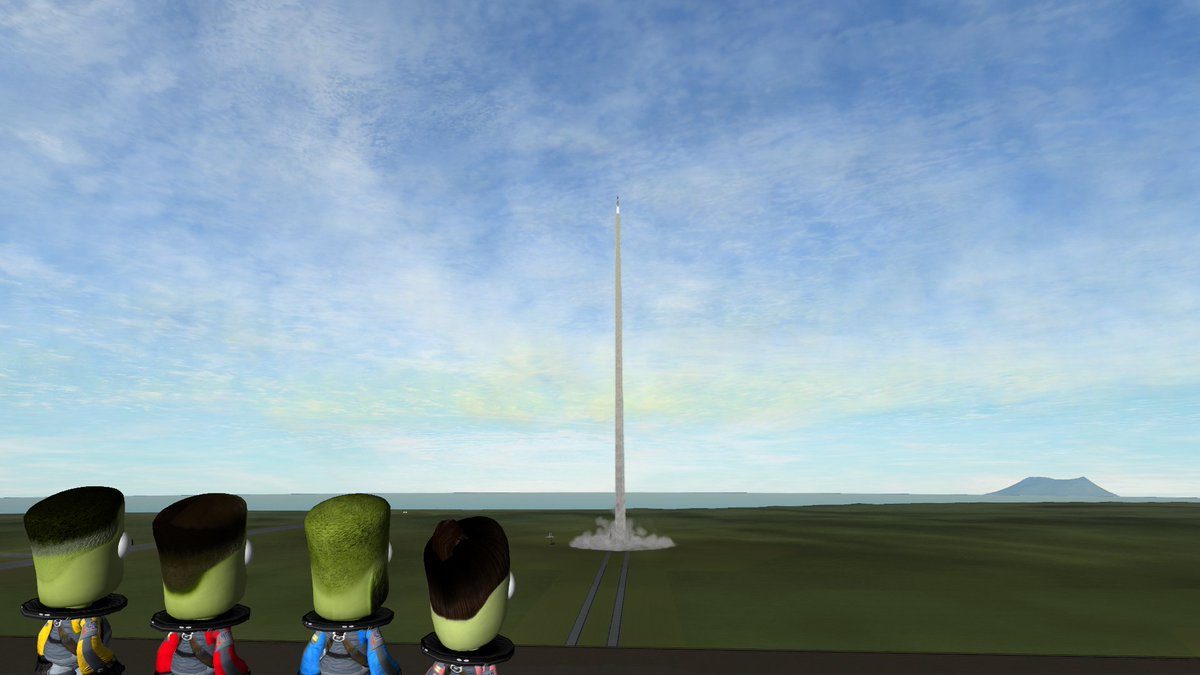
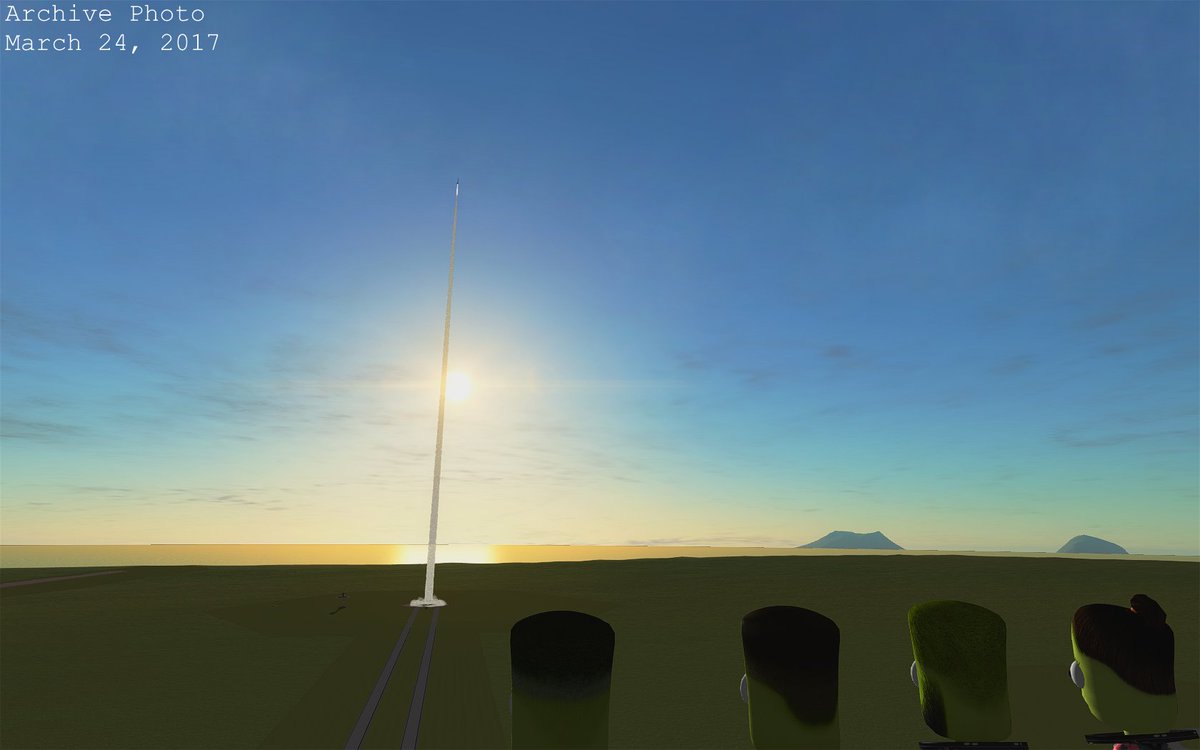
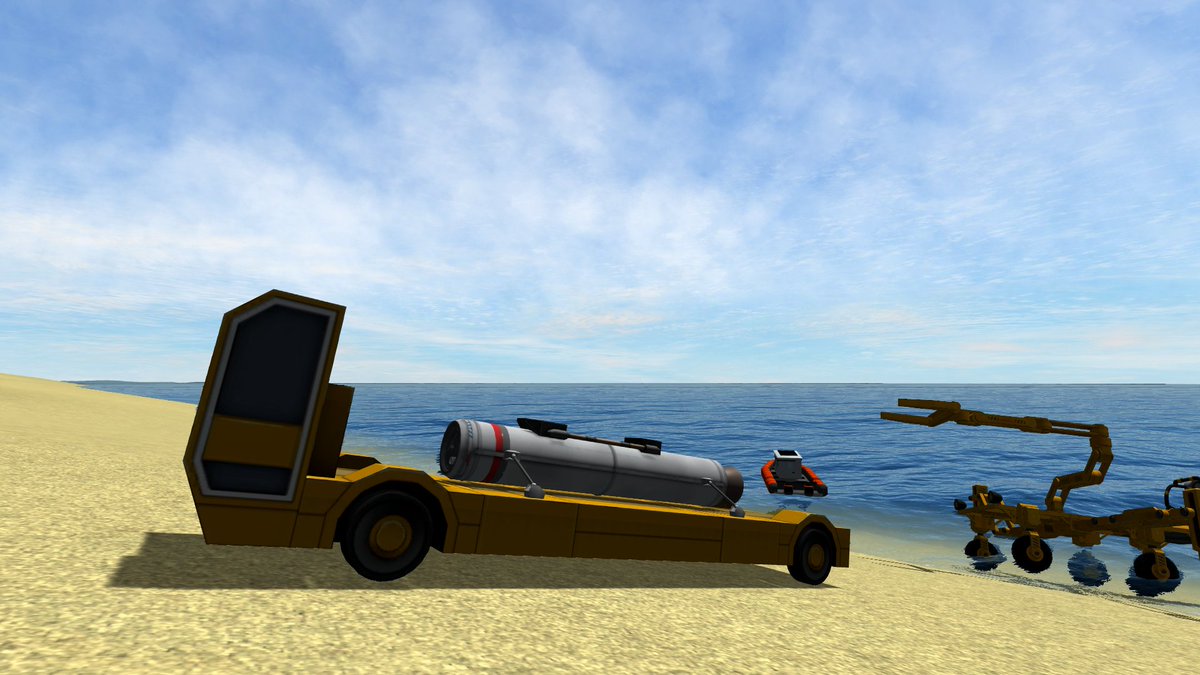
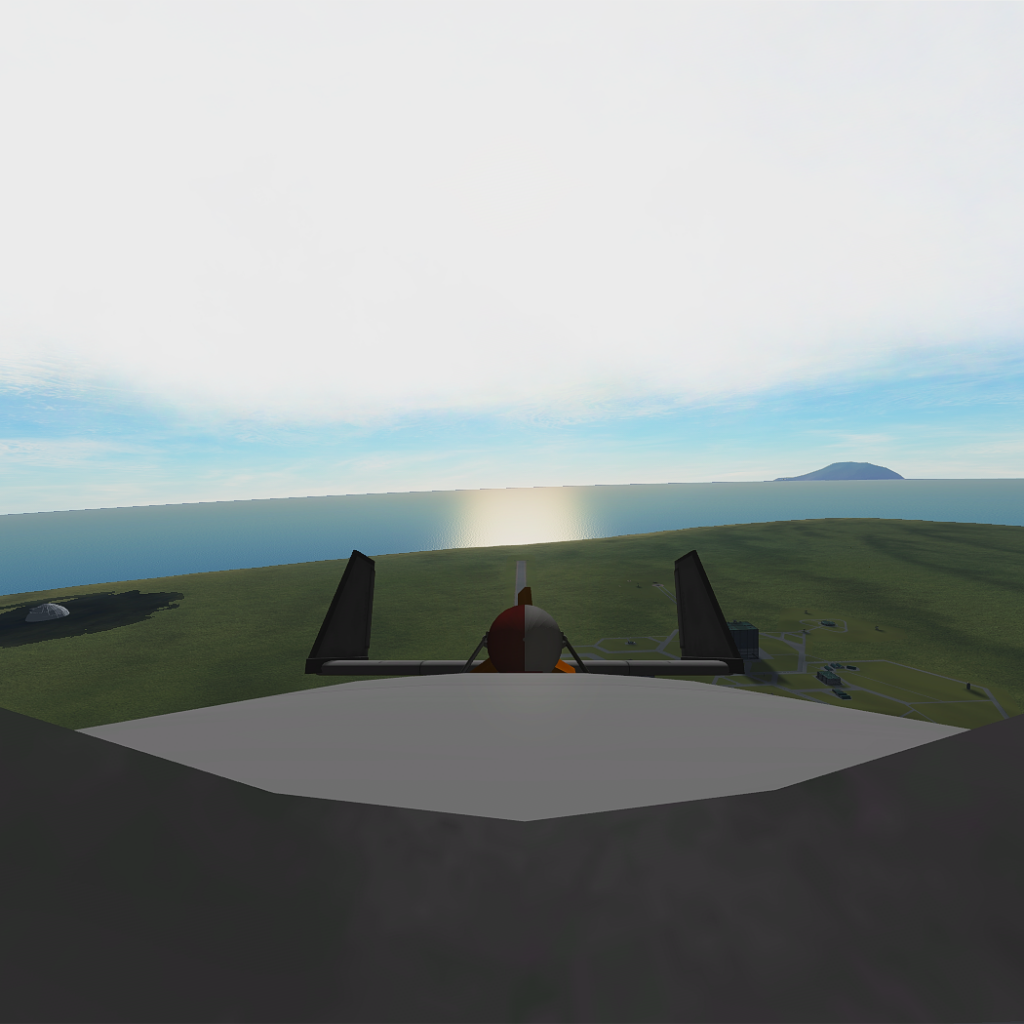
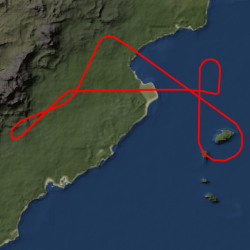
 Flight Officers Tedman & Aldeny make another attempt at a full launch dress rehearsal for the carried Progeny Mk1-B rocket that was interrupted months ago by the Monolith
 |
 |
Dec 18 2018
Dec 17 2018
Oct 20 2018
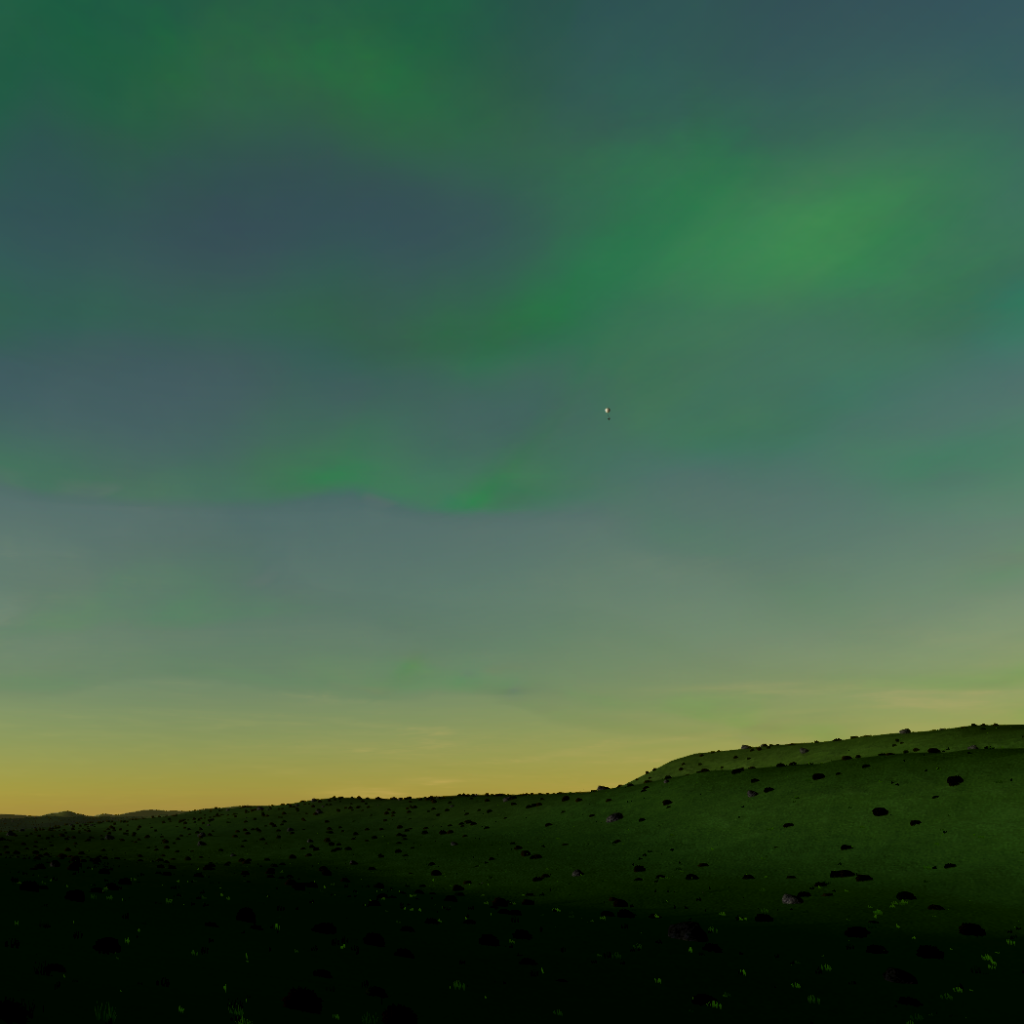
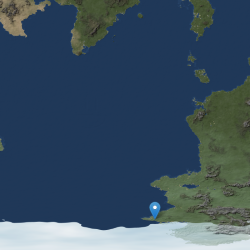
 Crews embed themselves with an expedition to Site RAD-073 by the south pole in order to launch two balloons to measure the radiation levels in the upper atmosphere under the aurora
 |
 |
Oct 17 2018
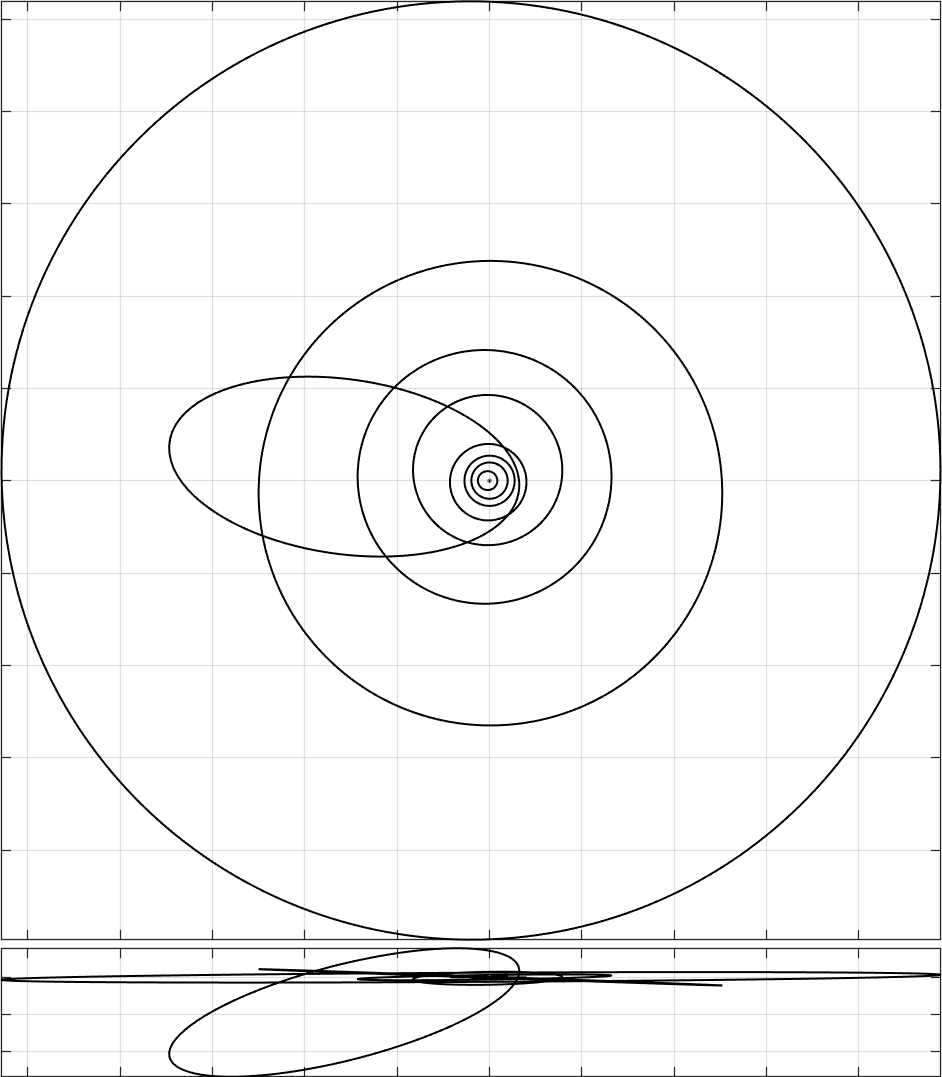
Initial calculation for the orbit of Sorlon, with Urlum as the outermost orbit
In a press conference earlier today the Kerbal Astronomical Society formally announced the discovery of a new celestial object in orbit around Kerbol. The new object appears to be a large asteroid, although astronomers are still not entirely sure because the object has only just now been re-discovered after a search of several months over the course of this year. The first discovery was made early in 2017 by routine sky survey of the Asteroid Tracking Network during its scheduled use of the telescope located at Ockr. The block of data that included that observation was unfortunately mis-handled and ended up being overlooked during post-analysis. It languished in the archives for just over a year until Gipi Kerman, a young graduate student at the Kravass Astronomical University, stumbled across the data as she was completing a research project.
Once a handful of tight-lipped astronomers in the university saw the data, they immediately launched a search with the Kerman Observatory located at Kravass, the largest space telescope currently in use. Unfortunately, the original data set only captured a very small portion of the object’s movement through the night sky, and extrapolating an orbit from the observations proved exceedingly difficult. Best-guesses still produced a large swath of possible areas in space the search team would have to cover, bit by bit, in-between time already scheduled for current research projects and, ironically, searching for additional asteroids as part of the ATN’s daily sweep.
Finally, after months of searching, 3 days ago the team found what they were looking for. The object was originally discovered near perikelion, or during its closest approach to the sun, but has since moved out well beyond the orbit of Sarnus and is approaching apkelion – making it very faint. Given its apparent brightness, the object is definitely larger than the Class-E range of low hundreds of meters. It could possibly be larger than a kilometer in size. Once the orbit is better understood the apparent brightness can be better used to estimate its size (is it faint because it is small or is it faint because it doesn’t reflect much light?). In addition to being highly eccentric in its orbit, the object is also tilted by around 30° to the ecliptic. This brings into question the object’s makeup, whether it may be a dusty comet rather than a rocky asteroid.
Astronomers will be spending the next few weeks making more detailed observations of the object to nail down all the orbital details and physical characteristics they can. Credited with the initial discovery, Gipi was given the privilege of naming it. She chose to mash together some ancient Kerbskrit to form the word Sorlon, which roughly translates to “then unseen”.
Sep 13 2018
 Today we cap off our second year of operations! Sadly we’re not quite in as exciting a position as we were at this time last year. I said back then it was too early for any reflection but enough time has passed now that the goals we were aiming for from the beginning are finally starting to look a bit too optimistic. Such is the reality of any difficult endeavor however – you can only plan for the best and work with what you get. We certainly did aim to reach orbit by this point but delays to operations, such as the legal injunction earlier this year and the currently ongoing Monolith activity, did not give us the time we needed to accomplish such a difficult task.
Despite the hardships progress is being made, even if it is not as fast as we would have liked. The biggest scientific achievement this year would undoubtedly be the discovery of the radiation belt that exists above the planet. This was made possible mainly through direct observations taken by our Progeny Mk6 rocket on over half a dozen sub-orbital flights.
Although we have proven how beneficial going into space can be for the scientific community, staying in space to really begin to get kerbs excited for the future of our civilization is still very much a work in progress. While we remain focused on 2019 as the year the first astronaut will head for the heavens, we’ve all come to realize just how much work yet lies ahead of us. One major step will soon be taken though, as next week we will announce the final design of our first space capsule!
The immediate future is looking pretty shaky thanks to the activities of the Monolith but we don’t expect it to hold us back in the long term. This next year aims to hold as many exciting events and opportunities as the two years prior and lead to many more in the years to come. I continue to be inspired by all the hard work and dedication the Kerbal Space Agency employees have shown, as well as faith. Faith not in some unseen and unknown entity but in the steady progress of success over failure and the ultimate purpose of journeying among the stars for the betterment of all kerbalkind.
– Drew Kerman
Founder & Operations Director
Written on 9/7/18
It is the eve of my departure on an epic 4-week cross country road trip and I’m happy to say that I’ve managed to progress the KSA up to the point of my return in Oct, although just barely. How this will affect operations once I get back remains to be seen but it will definitely be a slow return as I put more effort into the Ops Tracker and pushing out my lead time than into active flight/rocket operations. It will all continue to move forward though and that’s the important thing.
The upgrade to 1.4.5 is complete and wasn’t nearly as bad as I feared it would be although it did take 3 whole days of installing and testing to ensure all my essential mods were compatible – at least with the current level of gameplay I was at. I can load all my current vessels and that’s what counts. I had also put time into installing and tweaking KS3P so that I could remove dependency on DX9 with the SweetFX post-effects I’ve been using since 0.25. Turns out though that KS3P doesn’t work with DX11+ and therefore I still can’t make use of Textures Unlimited. Dammit. Oh well, maybe the KS3P dev will return at some point or someone else will be able to upgrade it.
That new ‘roid NXP actually really did sneak up on me. I don’t know, I have a pretty rote process for managing my asteroids but lately I’ve been discovering that I’ve been screwing up a lot of the process involved somehow – it is extremely frustrating but probably a sign of how hard I’m pushing myself sometimes since I get to the point where I end up making mistakes. So yea, it ended up in orbit around Kerbin without me even witnessing it behind the scenes (as in, watching it happen as an ‘undiscovered’ asteroid not yet in the ATN catalog).
Right then, I need to finish getting ready to leave early tomorrow. Hope you all enjoy what little is in store for the coming month and hopefully things will begin to pick back up again soon((ish)(TM))
Sep 09 2018
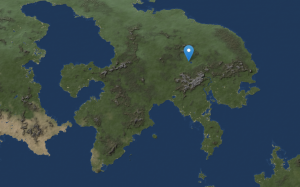
 Attaching to another scientific expedition setting out to examine a small highly-acidic lake over a volcanic area, meteorological data will be collected for Kerbodyne as well over Area M-32Q
Sep 05 2018
 Ever since we began traveling to space we sent along scientific instruments to study the environment that exists outside our atmosphere. Much of these observations could be transmitted home as data during the flight, allowing for partial mission success if the rocket and any additional more detailed data stored on board could not be recovered afterwards. Sending living specimens up into space however requires close examination after they have been returned to the surface which is why this most recent Progeny Mk6 Block I flight, after a series of successful recoveries, carried aloft our first living samples of micro-organisms known as “mystery goo“. Unfortunately, the rocket was not recovered intact, leading to the first failed mission of the Progeny Mk6 series.
While the original launch date was delayed due to a high-pressure region sitting over the area around KSC for a few days and baking the surface with temperatures topping 100°F, on the rescheduled launch day of 7/31 there were no issues leading up to an on-time launch at 19:24:00.02 local time. The ascent of the rocket was nominal through all three stages, ending up on a sub-orbital trajectory with an apokee of 495.451km.
Aug 24 2018
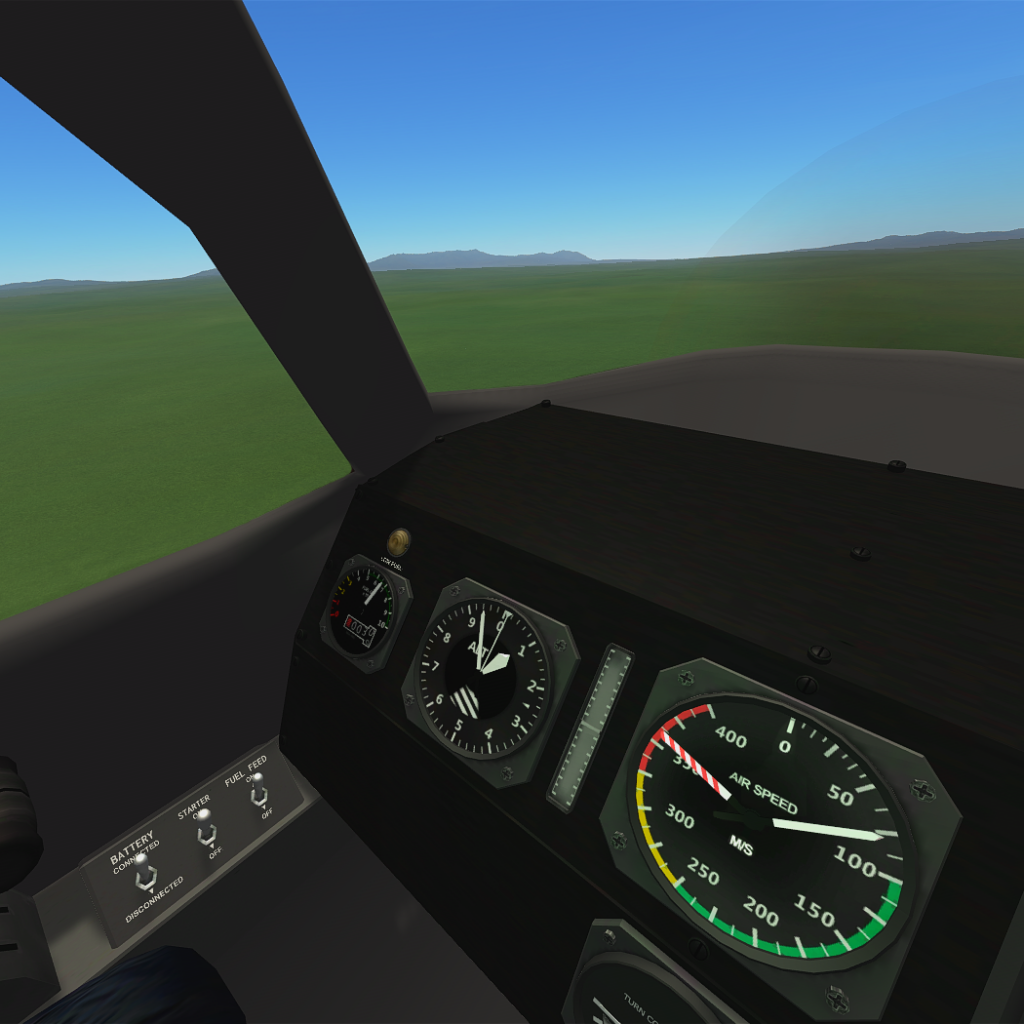
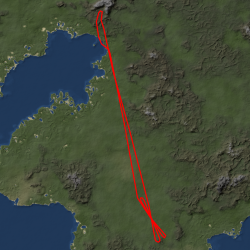
Flight Officer Aldeny was able to borrow an aircraft from the KGA flight school so he could head out over Sector LQC-J8 to gather atmospheric samples for pollen level research
 |
 |



(previous record)
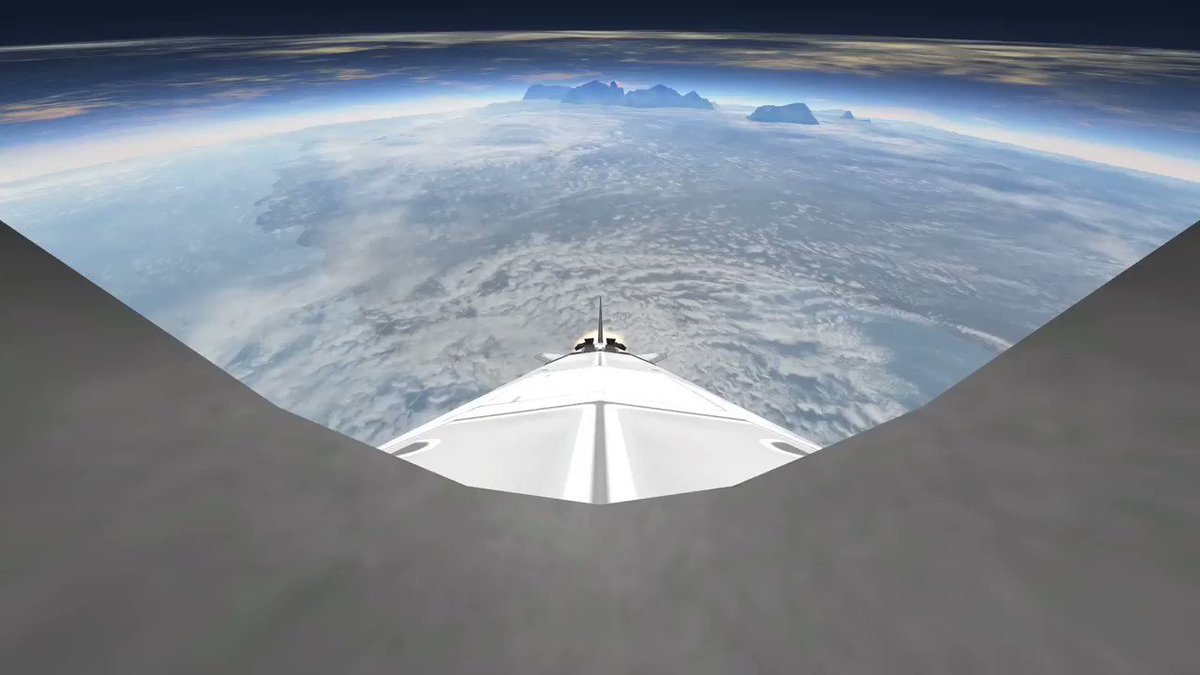
Heaviest Rocket Launched, Minus Payload: 19.862t (17.5t)
Heaviest Payload Launched, Orbital Trajectory: 1.662t (767kg)
Tallest Rocket Launched: 16.782m (16.212m)