Dec 20 2017

Progeny Mk5 Block I Flight 3 Analysis

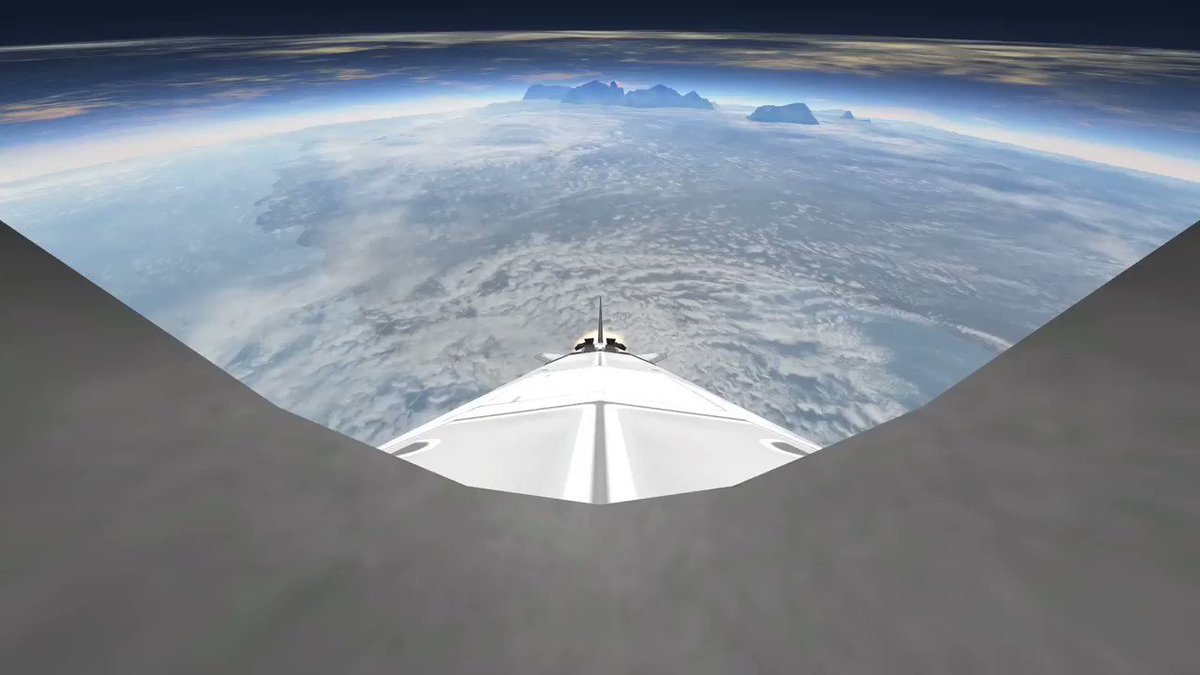
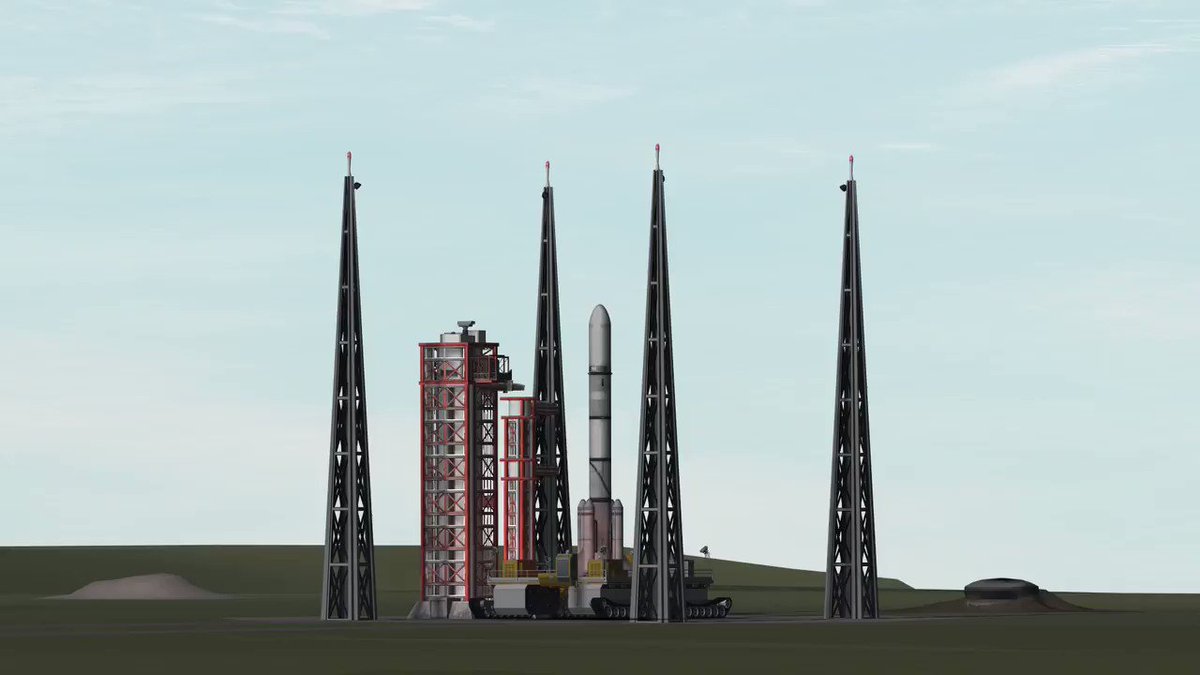
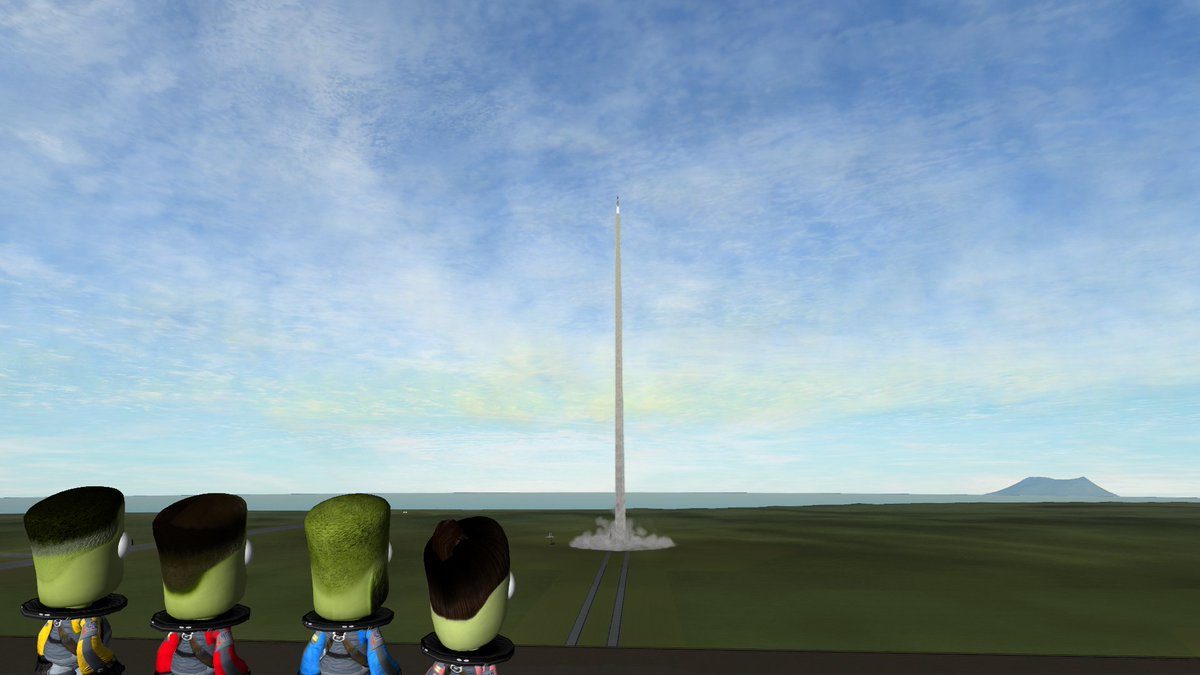
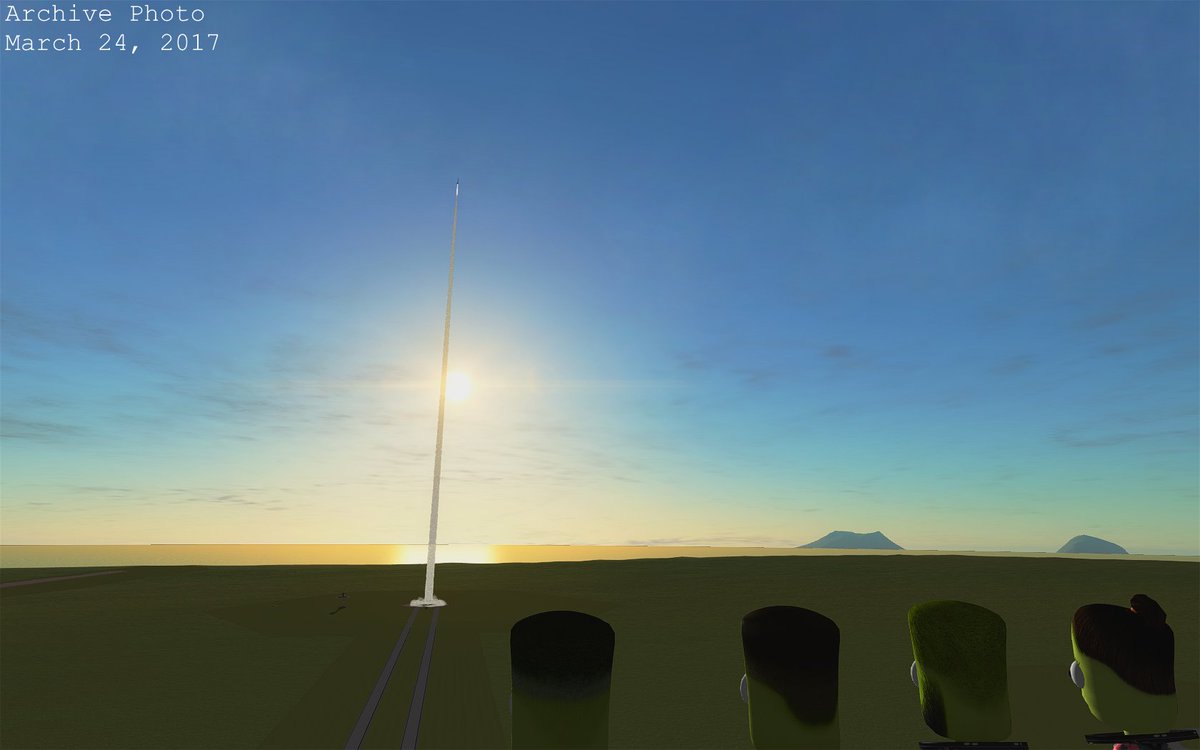
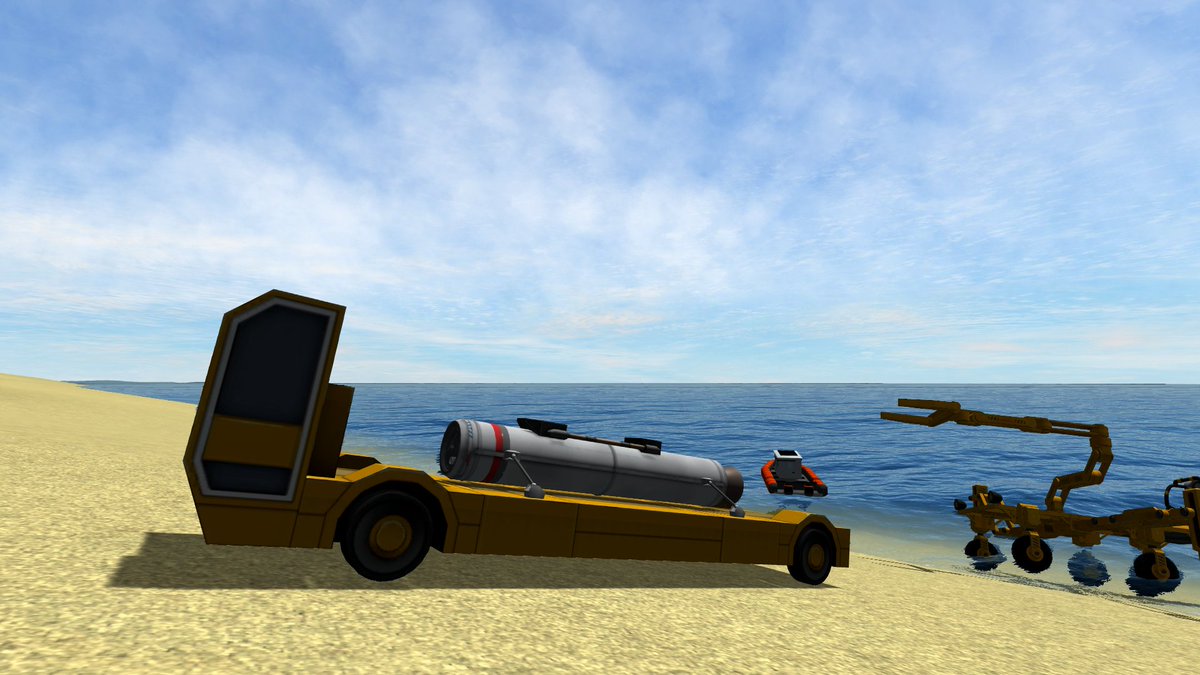
Progenitor team members have spent the last few days reviewing telemetry data from the third launch of the Mk5 Block I in order to determine the overall performance of the rocket and what happened to cause two anomalies that occurred during the ascent into space. Both have been tracked down to their root cause and we will cover them after review of the flight.

The Flight

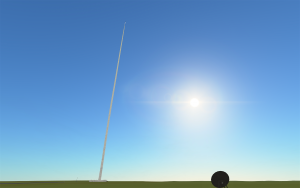
No issues preceded the launch, with perfect weather deciding to show up for launch day although we had plans in place to push into the weekend if necessary to get the rocket launched before the end of the operational year. The lower 0.625m solid rocket booser lit off at 12:30:00.03 local time to push the rocket away from the launch base at 4Gs with 146.142kN of thrust to establish the rocket in its initial climb and not allow lift at the nose to flip it vertical or over backwards. Launching from 85° It stood up to 86.8° before beginning to pitch back over towards the east and away from KSC. After 5 seconds the new lower stage began to reduce its base-level thrust output although given the rocket was climbing into decreasing air pressure the overall thrust continued to increase. 10 seconds after lift off it had reached Mach 1 and 8 seconds later dynamic pressure began to fall as it passed through a Max Q of 78.373kPa, within our planned range of 60-80kPa. It burned out after 33.71s with a thrust of 172.596kN, pushing the rocket to a velocity of 653.520m/s at an altitude of 14.009km.
Read the rest of this entry »

Dec 15 2017

Operations Summary – Week of 12/11/17

View post on imgur.com

View operations details »

Dec 14 2017

Progeny Mk5 Block I Flight 3

The final flight of 2017 saw a triumphant return to space with a redesigned Block I solving many of the issues that plagued the previous flight, although it also introduced some new ones. The quest continues…

View full tweet timeline »

Dec 13 2017

Civvie Flight Control Test 1

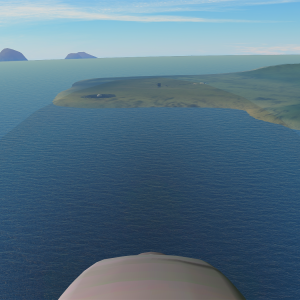
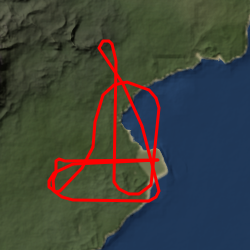
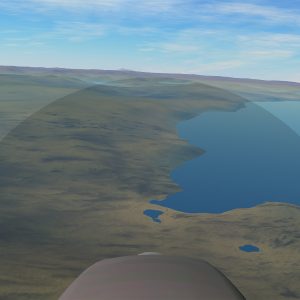
Captain Jebediah cruises around KSC while testing out very basic software that will hopefully allow the aircraft to hold itself level in both pitch and roll without direct pilot input

View full tweet timeline »

Dec 11 2017

Widespread Asteroid Impacts Revealed in Seismic Study

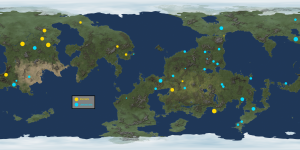
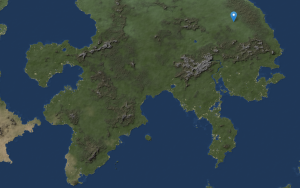
Circle size equals magnitude of force on impact, which does not always directly equate to the size of the asteroid

Over the past year and change, with funding from the Asteroid Tracking Network, field researchers have been quietly building a network of seismic devices spread across the planet in order to monitor for ground strikes from asteroids. Close to 100 stations dot the landmasses around the globe and just last month the final round of data collection was made from all of them. The results show that, as expected, our current sky monitoring ability is lacking. Previous estimates have put the discovery rate at around 40% and this study reveals that’s just about right, with 59% of the impacts occurring without prior knowledge of their arrival. While these results don’t account for water impacts and coverage is weak near the poles, scientists agree the ratio is a solid indication of our overall detection ability.

The data also reveals what appears to be a bit of a clustering between logitudes115-175 to the west and 5-120 to the east, however these areas also represent the largest portions of contiguous landmass so it is not surprising that a lot of strikes would land here. Overall the distribution is fairly even across latitude and longitude.

To help increase our sky coverage three new ATN observatories North, South and Central will be coming online over the next few years, you can see their locations and read more about their specifications in our Deep Space Network report. The next step to be taken in this study is a closer examination of the magnitude from each strike and how they could affect any of the four underground settlements so that any steps that can be taken are suggested to the government to keep kerbs safe should any asteroids fall closer to home.

Dec 08 2017

Operations Summary – Week of 12/4/17

View post on imgur.com

View operations details »

Dec 07 2017

High-Altitude Science Survey 37

Specialists Bob & Bill travel to Ockr once again to test data relay through to KSC, this time launching from land over Zone 8CH2-L to ensure line of sight to Ockr during ascent

View full tweet timeline »

Dec 05 2017

Civvie Science Flight 33

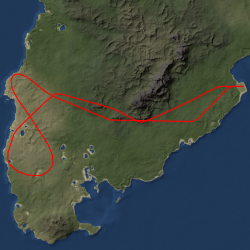
Captain Jebediah is tasked with collecting atmospheric samples over the West Shore Desert to hopefully help weather forecasters understand how dust in the air affects weather patterns

View full tweet timeline »

Dec 01 2017

Operations Summary – Week of 11/27/17

View post on imgur.com

View operations details »

Dec 01 2017

High-Altitude Science Survey 36

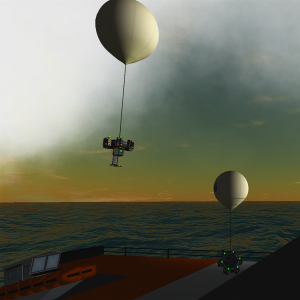
Specialists Bob & Bill continue to test our future data relay infrastructure, this time through Ockr with a double-release over Site 1BP3 after several weather delays

View full tweet timeline »

Older posts «

» Newer posts