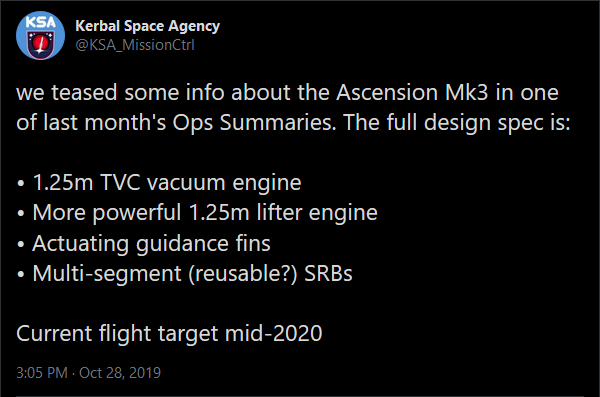
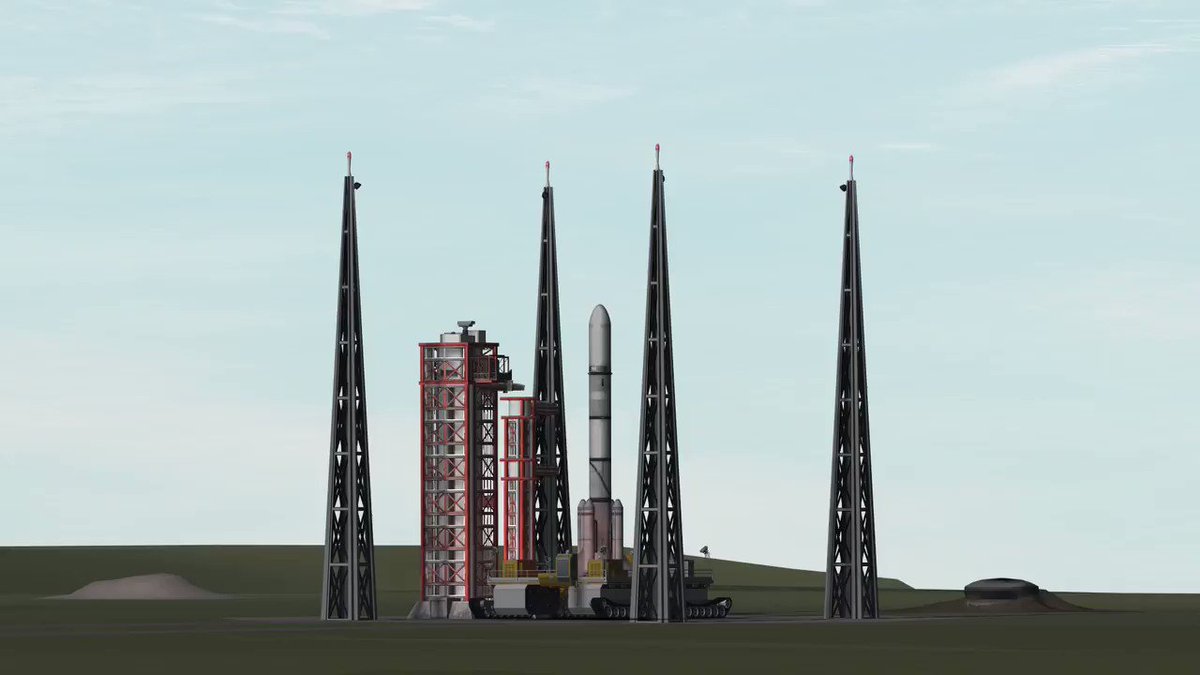
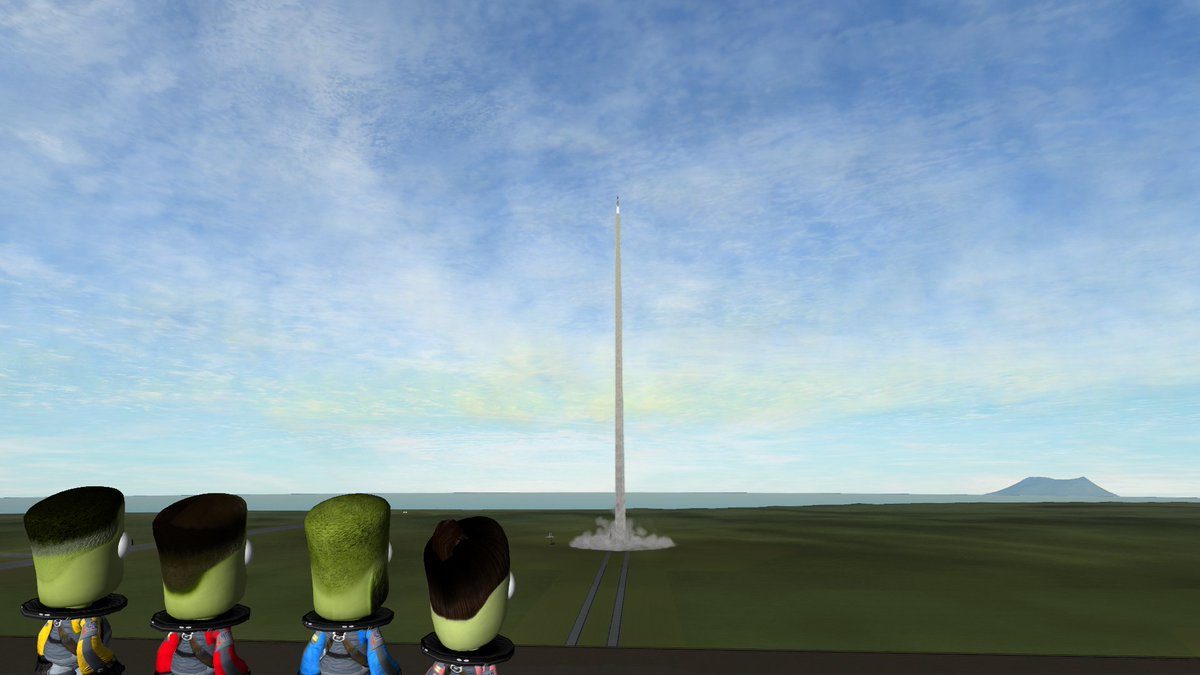
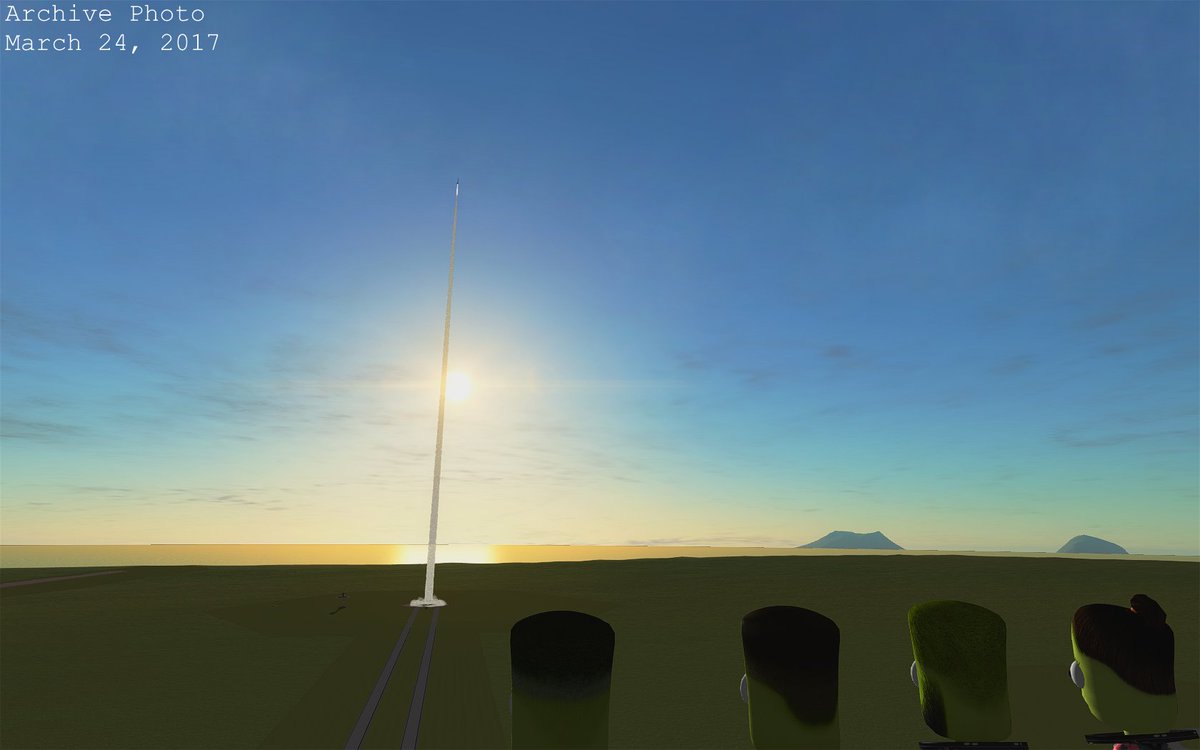
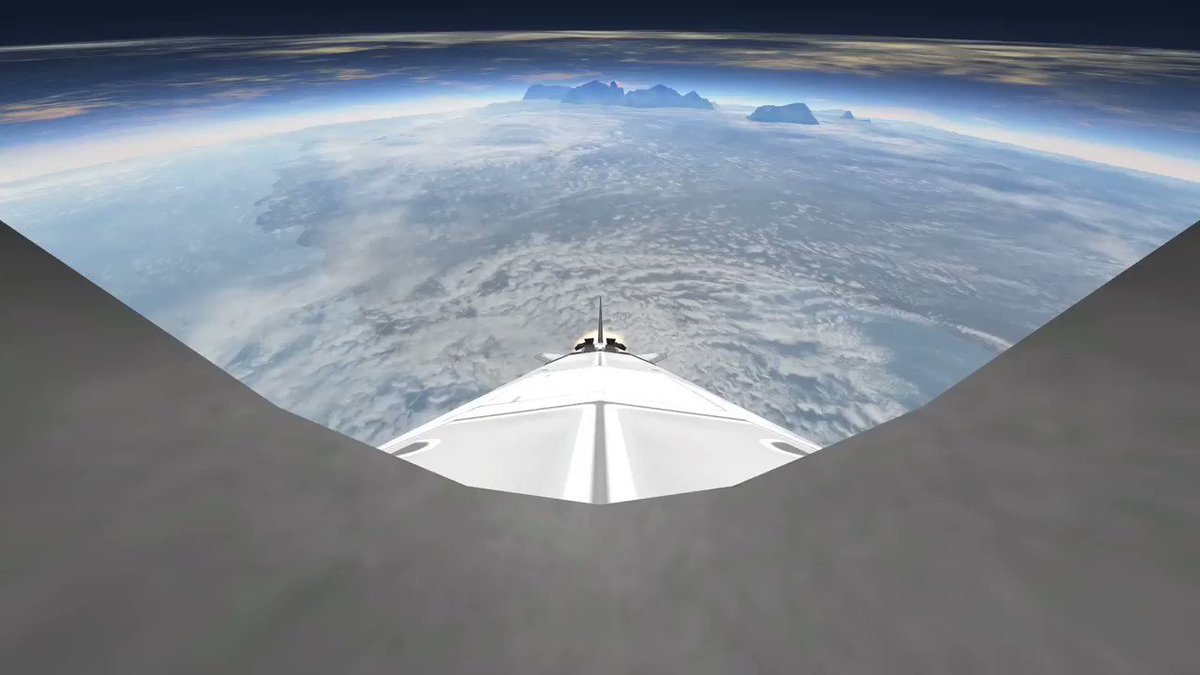
 Requiring one more launch than planned to get the job done, after several failed attempts the Mk3 finally fulfills its promise and becomes the first rocket to breach the barrier to the upper atmosphere.
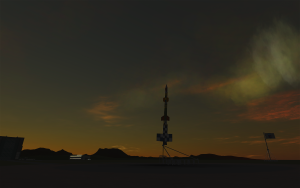



Apr 28 2017
Apr 27 2017
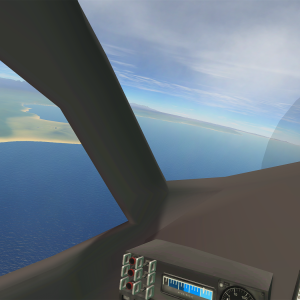
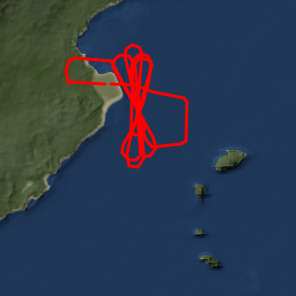
 Commander Valentina pilots the Civvie Prototype on an extended temperature-data gathering mission for Jeb’s Junkyard & Spaceship Parts over the area code-named Bob’s Peril
 |
 |
Apr 24 2017
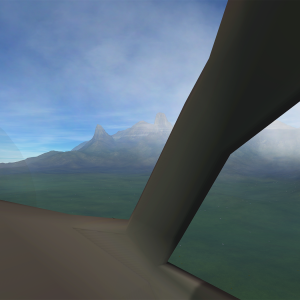
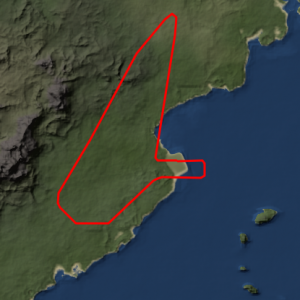
Commander Valentina pilots the Civvie Prototype through three waypoints for temperature data and an observation report to satisfy three contracts
 |
 |
Apr 22 2017
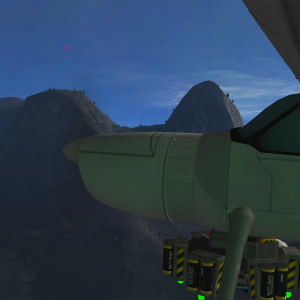
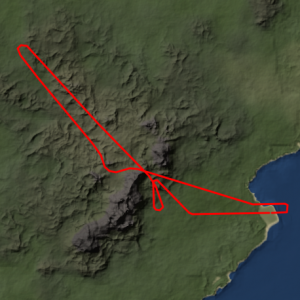
 Captain Jeb takes the Civvie on a trip 93km inland from KSC in order to drop & deploy a KerBalloon unit mounted on the aircraft belly in a first of its kind collaborative mission between programs, as a team including Bill & Bob recover and return the payload. Jeb also completed a contract returning to KSC
 |
 |
Apr 20 2017
The time has come at last to bring together two Programs being run by the KSA and C7 Aerospace Division for mutual benefit. The mission calls for a high-altitude survey of temperatures over the region code-named Kirrim’s Dawn by Rokea Inc. Currently our only platform for upper atmospheric research is the KerBalloon Program, which unfortunately suffered a loss of two vehicles in its UTV fleet earlier this year. Due to the limited range of the UTVs and the lack of extra vehicles to carry additional fuel, the long trek out to Kirrim’s Dawn would be impossible without the purchase of additional UTVs. While this is still something the KerBalloon Program wants to do to restore its ground vehicle fleet, the deficiency has opened up an opportunity which the Genesis Program noticed it could cover by mounting the KerBalloon probe beneath its Civvie aircraft. After testing a lighter-weight under-slung payload earlier this month and then performing a successful drop earlier today, both programs have agreed to proceed with the full mission tomorrow.
The entire day will be dedicated to this mission, starting at second sunset with the preparation of the recovery team, including Specialists Bill and Bob, to depart at second sunrise on their 180-200km journey over land to the drop zone, skirting the mountainous terrain to the west. It will take them approximately 4.5-5 hours to make the journey and all three UTVs will be utilized. Two will carry extra fuel while the third meant for the payload recovery also carries collapsible fuel containers that will be empty by the time they are ready to return. Since the KerBalloon is lacking its bulky truss and nosecone parachute, a single UTV can carry the case and instruments back rather than needing two.
Apr 20 2017
Apr 14 2017
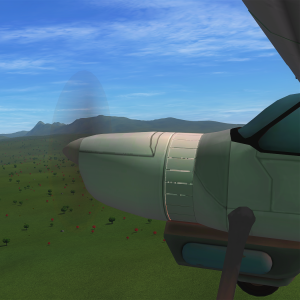
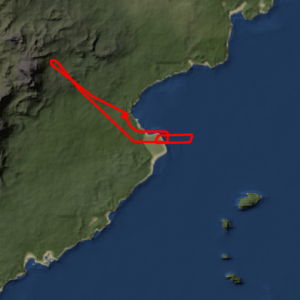
Captain Jebediah takes the Civvie out on a science flight to Frorey’s Vision in order to test the new Atmospheric Fluid Spectro-Variometer & also how the aircraft performs with a bulky but light payload
 |
 |
Apr 13 2017
 C7 Aerospace today announced the debut of the Deuce, their first multi-engine, multi-crew and passenger-capable aircraft. The aircraft has been in design for several months, drafted alongside the Civvie and then tweaked and modified over many iterations as the single-seater flew its missions, giving designers valuable feedback in the process. One of the main problems that came from the Civvie was being unable to mount payloads on top of the fuselage because any release without an inversion of the aircraft would create the danger of a tail strike. The Deuce therefore has a split tail to remove this problem. While the original design called for just a multi-crew plane, the resulting cabin was so large in a side-by-side configuration that space for passengers was simply a by-product. This space can also be converted to carry cargo or large scientific instruments. Although it is still a tail dragger, the main gear have been redesigned so they can retract into the aircraft to provide a cleaner aerodynamic profile. In level flight, the tail wheel will be mostly out of the air stream as well. The engines for the aircraft are another tried-and-true product of airship engineering – the PT6s propel some of our largest airships and their service record is impeccable, which means that should an engine actually fail, the chances of both failing are almost zero. The dual-engine configuration will allow the Deuce to carry out missions far over water, and the dual-crew configuration will allow us to return much more detailed crew observation reports as one crew member can fly while the other observes. We can also offer companies the choice of sending their own observation crew as passengers for even more detailed reports. The first Deuce is expected to undergo construction and trials in May.



(previous record)
Heaviest Rocket Launched, Minus Payload: 19.862t (17.5t)
Heaviest Payload Launched, Orbital Trajectory: 1.662t (767kg)
Tallest Rocket Launched: 16.782m (16.212m)