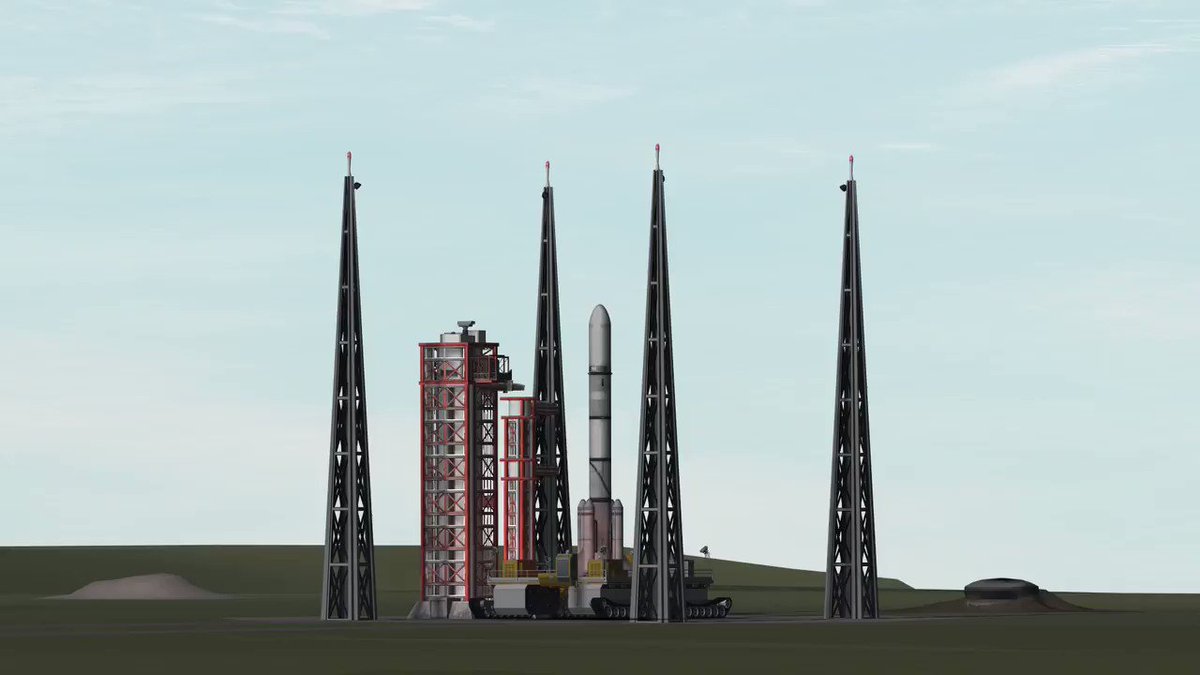
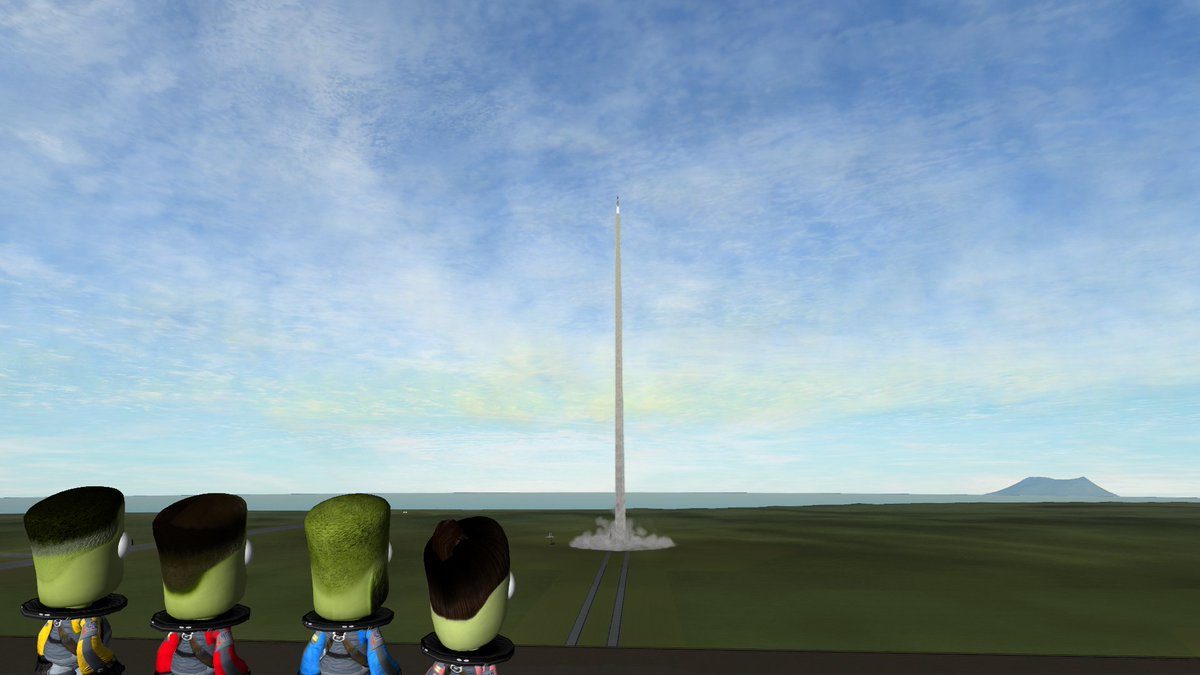
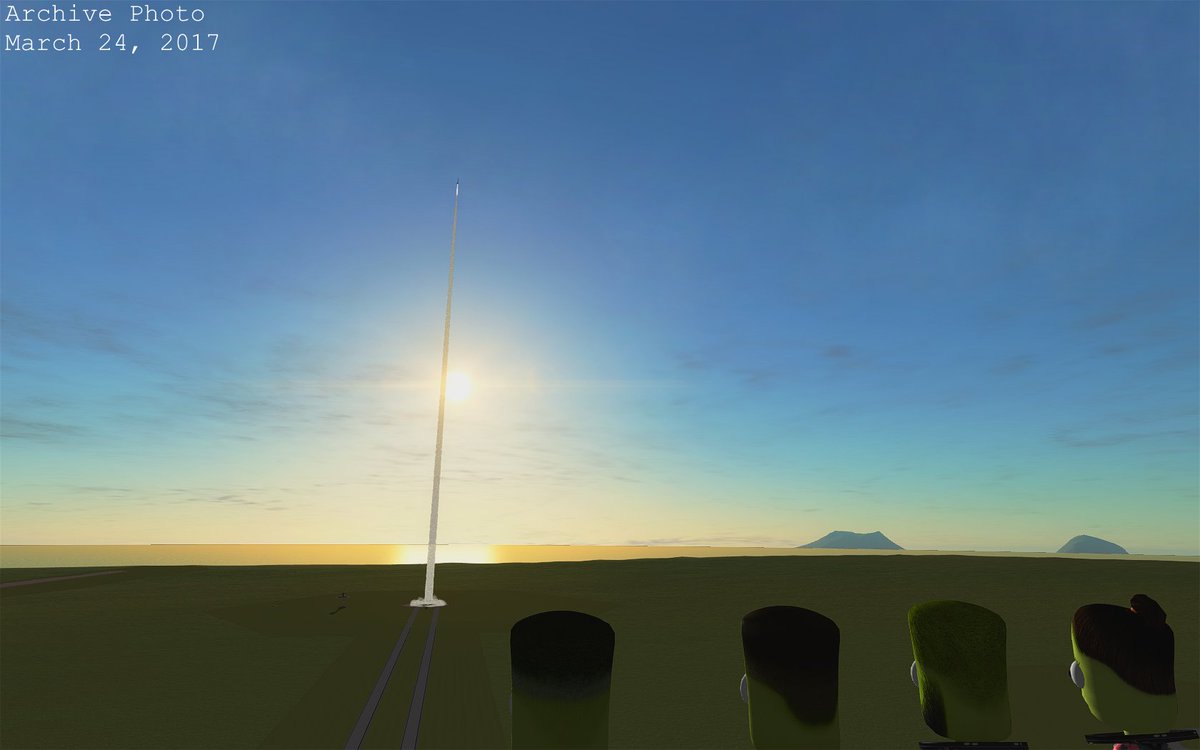
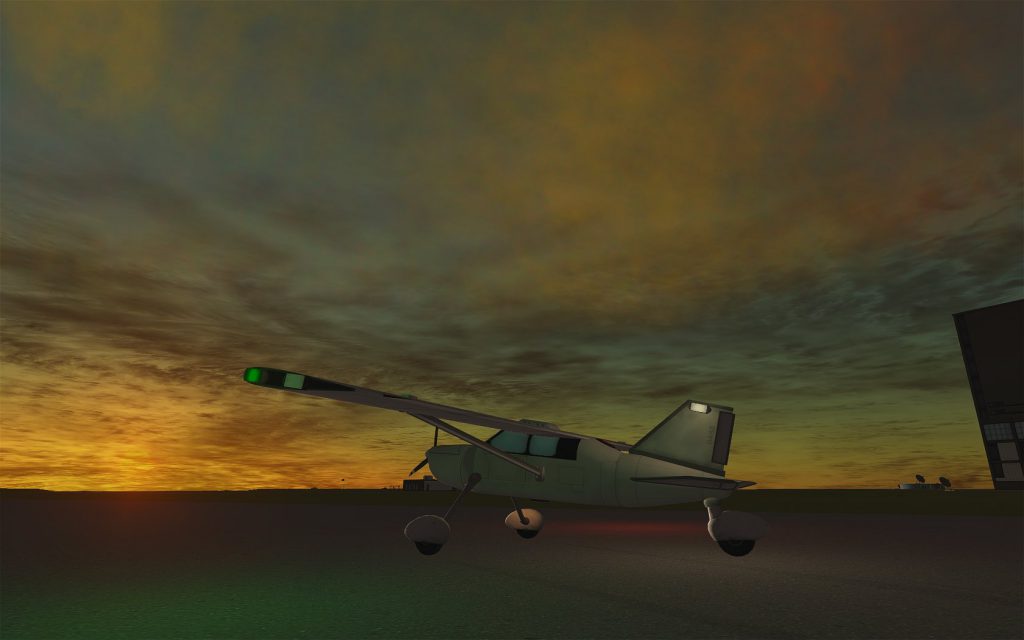
 Basic taxiing has been proven, now it’s time for some run ups to takeoff speed on the turf runway



Nov 17 2016
Nov 17 2016
Nov 15 2016
 We collected some pressure data in flight below 19,400 meters near Raygard’s Vision for Kip Engineering
Nov 10 2016
Nov 09 2016
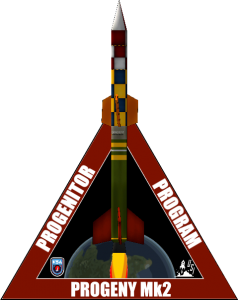 The investigation into the Progeny Mk2 launch failure has concluded and have found the cause to be due to a failure of the second stage engine fairing, which was improperly used as a structural element in the design of the Mk2. Tests last week showed what can happen should the upper stage booster impact with enough force to slightly crumple, and further tests this week allowed engineers to properly analyze the rigidity of the engine fairing material to show where original specifications fell short. USI has already started on a design fix to resolve the booster self-ignition issue and while they don’t have a stronger material to use for the engine shroud pieces, they did offer up a structural interstage decoupler that the second stage booster could rest upon, thus removing stress from the engine fairings. KSA has placed orders for the decoupler, as well as additional Mk1-A and Mk1-B booster cores, plus a few other required parts that are now low in supply in our warehouse. The majority of these parts will arrive within a week, except for the Mk1-B boosters, which still are being reworked to prevent the self-ignition issue. We expect them to be delivered by the end of the month and will prep for their arrival by partially assembling as much of the Mk2.1 rocket as possible. The only change to the rocket design will be the addition of the decoupler between the first and second booster stages.
Return to flight will occur sometime in the beginning of December.
Nov 04 2016
Oct 28 2016
Earlier this week the ATN put out a notice that it had discovered a small asteroid with the potential to impact Kerbin in the near future. This caused a minor panic among the populace due to the limited amount of information that accompanied the notice, which was primarily meant for other astronomers but was picked up by the general media and spread like an announcement of impending doom. While we largely blame the media for causing the concern, the ATN should do well to not be so liberal in the future with the release of information that has yet to be verified.
Today however they have put out the official announcement that asteroid OVD-128(A), a smaller-sized asteroid massing at 3,071.295 tons, is in fact on a trajectory that will intercept Kerbin. Current predictions plot an entry into our sphere of influence on December 7th of this year, where new observations of its trajectory will be taken. Right now though it appears to be heading for an area in the southern hemisphere on December 9th. Whether it will survive entry through the atmosphere is unknown, and depends largely on its composition. Based on its mass and size, astronomers predict it is a stony-class of asteroid, which means it could be a loose pile of rubble that will break apart and disintegrate during its fall towards the surface. In the event of an impact, the area is well clear of any populated caverns or ongoing/planned surface operations and the opportunity to collect samples has scientists excited.
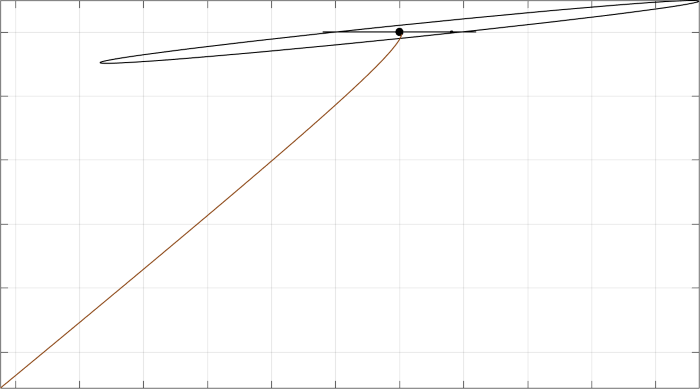
Trajectory of OVD-128 after it enters our SOI
We’ll share any additional information the ATN releases over the next few weeks, but definitely expect an update sometime on December 7th or 8th that narrows down the entry corridor and possible impact zone. And please, remember that this asteroid poses no threat to kerbal civilization.

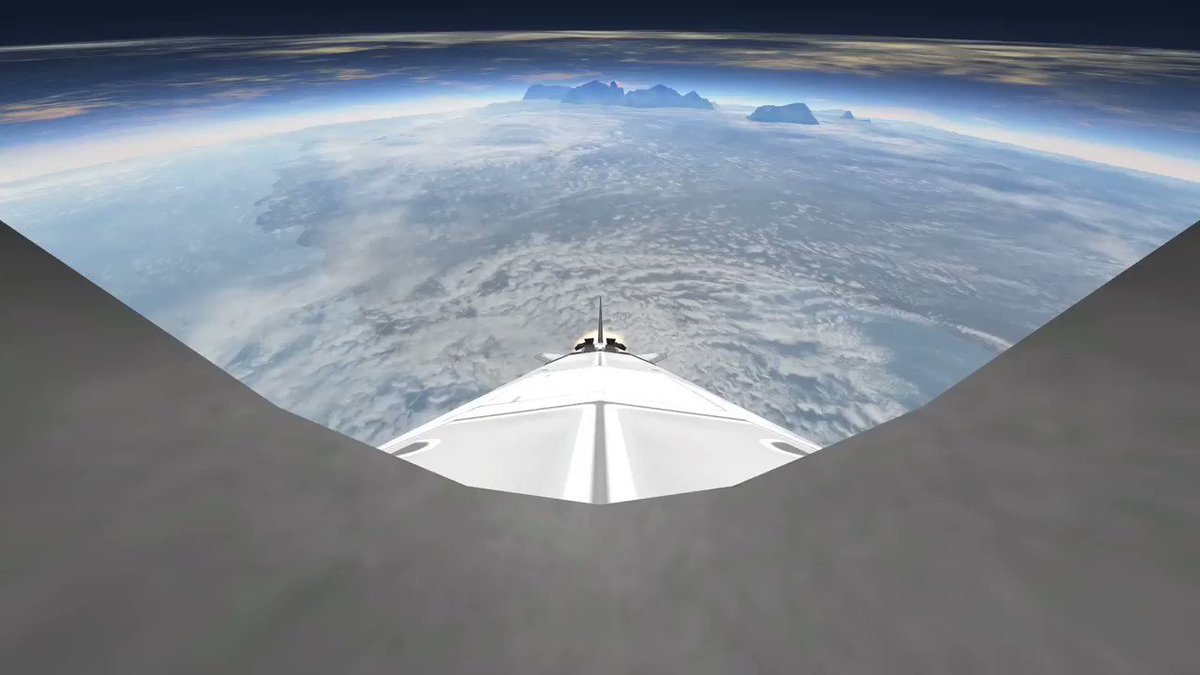


(previous record)
Heaviest Rocket Launched, Minus Payload: 19.862t (17.5t)
Heaviest Payload Launched, Orbital Trajectory: 1.662t (767kg)
Tallest Rocket Launched: 16.782m (16.212m)