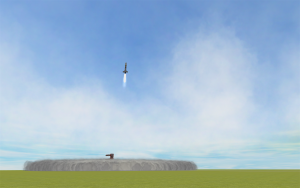
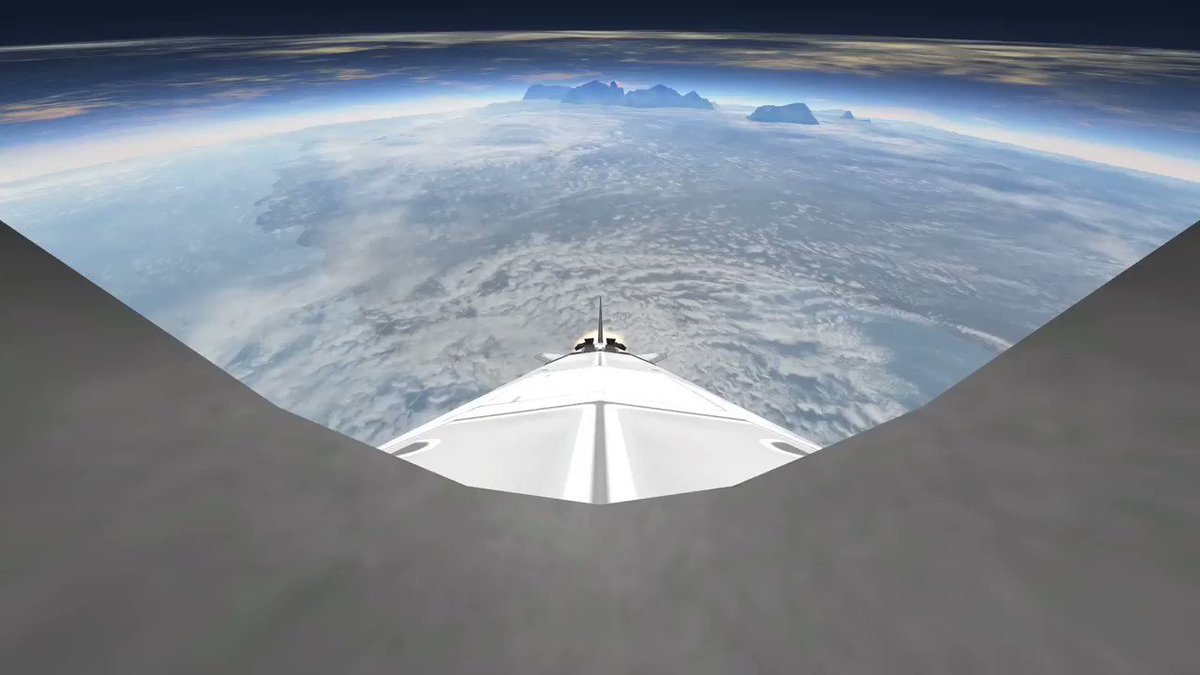
 After many months of development the time finally came to launch our first orbital-capable rocket into the sky and see if we could place it into a decaying orbit around the planet. The mission was designed this way because the rocket engine could not be re-lit after shutdown to de-orbit and no steering capabilities existed for outside the atmosphere to point the rocket in the right direction anyways. While achieving orbit was the main goal, the mission also had to act as a proving ground for several important aspects of the design, such as guidance and ascent tolerances. While the mission saw success in these areas, overall it was a failure due to the rocket not being able to achieve an orbit during flight.
The Flight
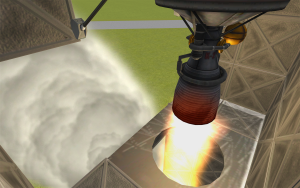
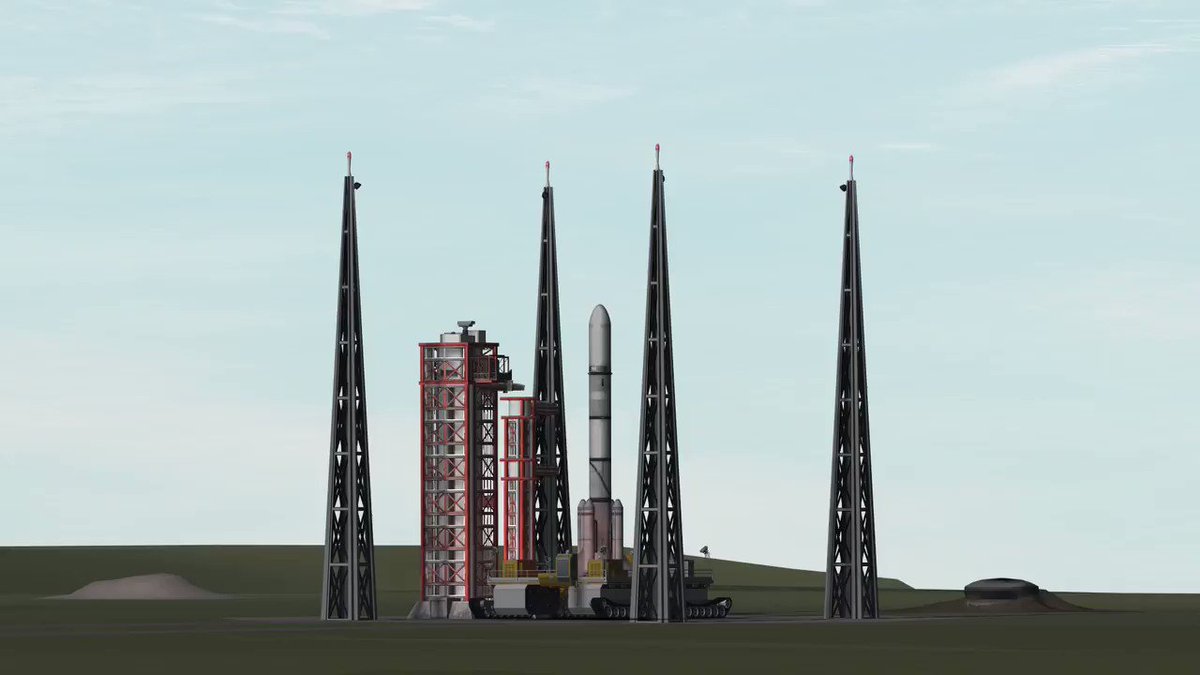
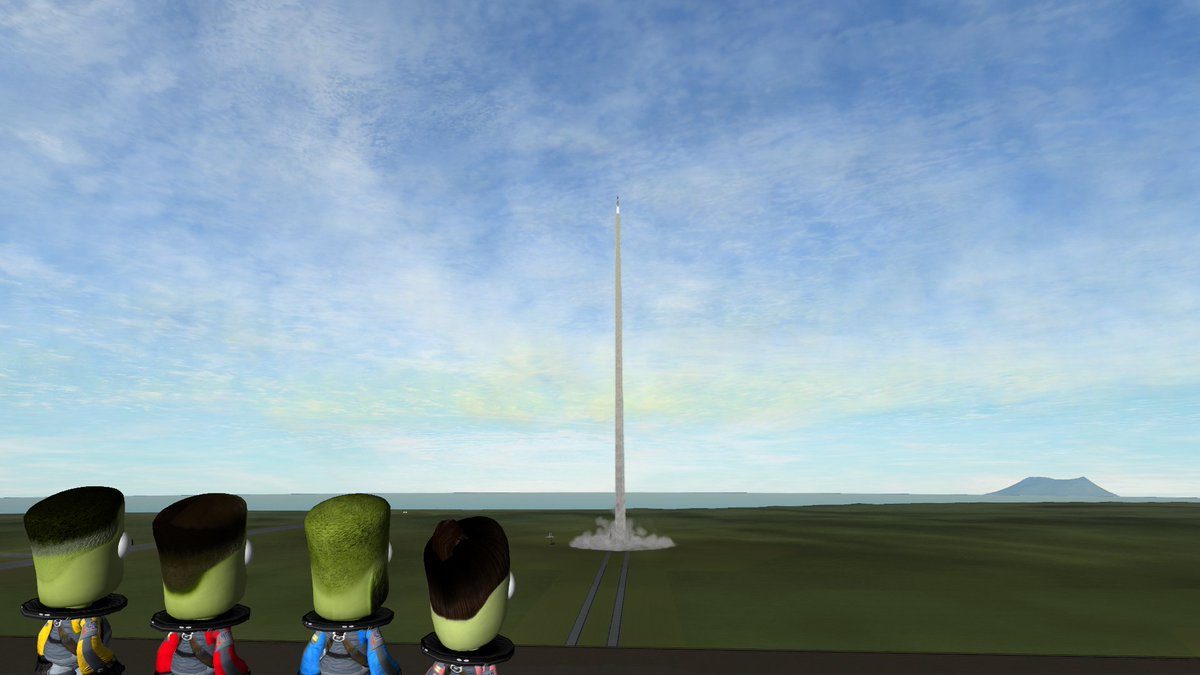
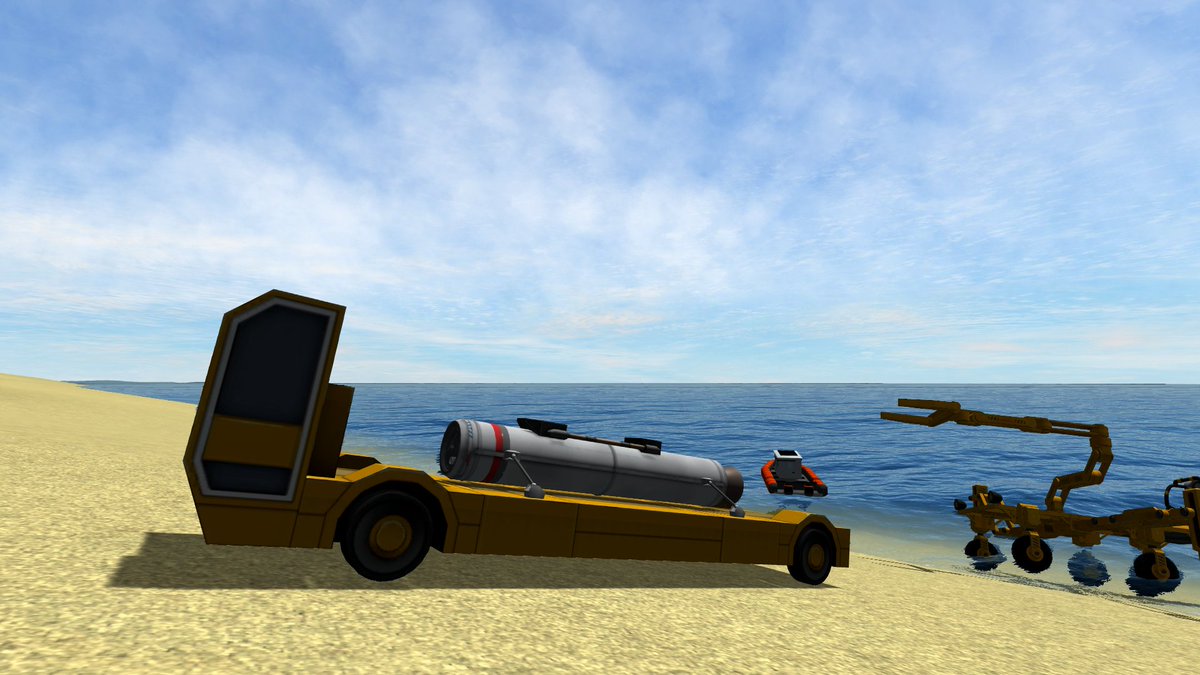
Because this was the first launch, several issues preceded our ability to reach the point of lift-off including problems with the new ground service equipment that was constructed to support the launch operations and the rocket carry vehicle in positioning the rocket upright for mounting. Overcoming these problems, the day of the launch also saw an additional issue when the first attempt at lift-off threw an abort that caused the main engine to shut down shortly after ignition due to low engine chamber pressure. Broadening the tolerances of the flight computer and running through to T-0 a second time allowed the engine to achieve the thrust levels required for a TWR of 1.2, which then cleared the AFCS to release the rocket from its engine support collar and begin its ascent.