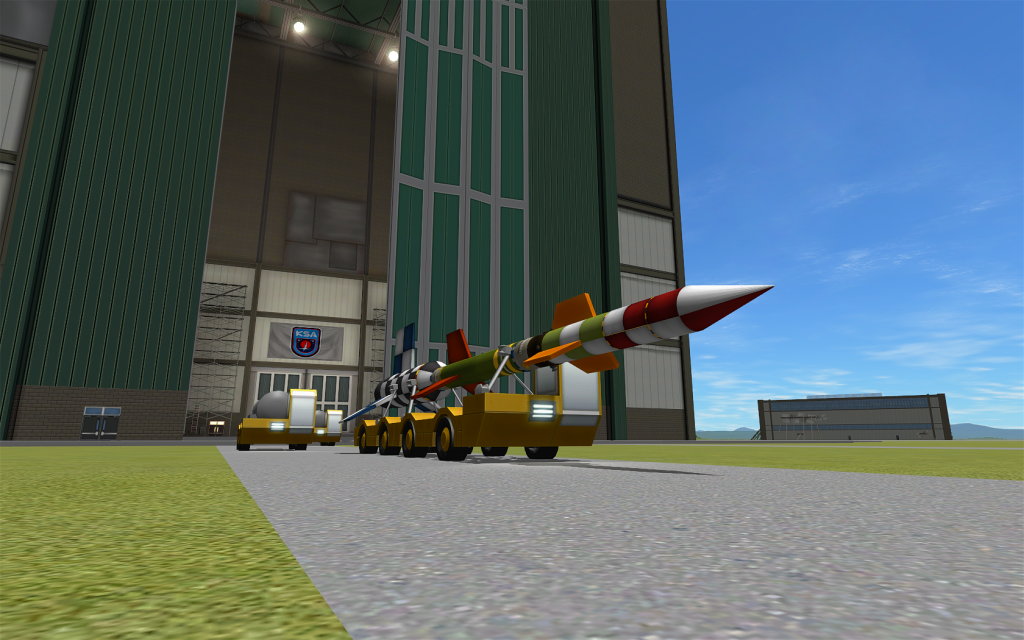
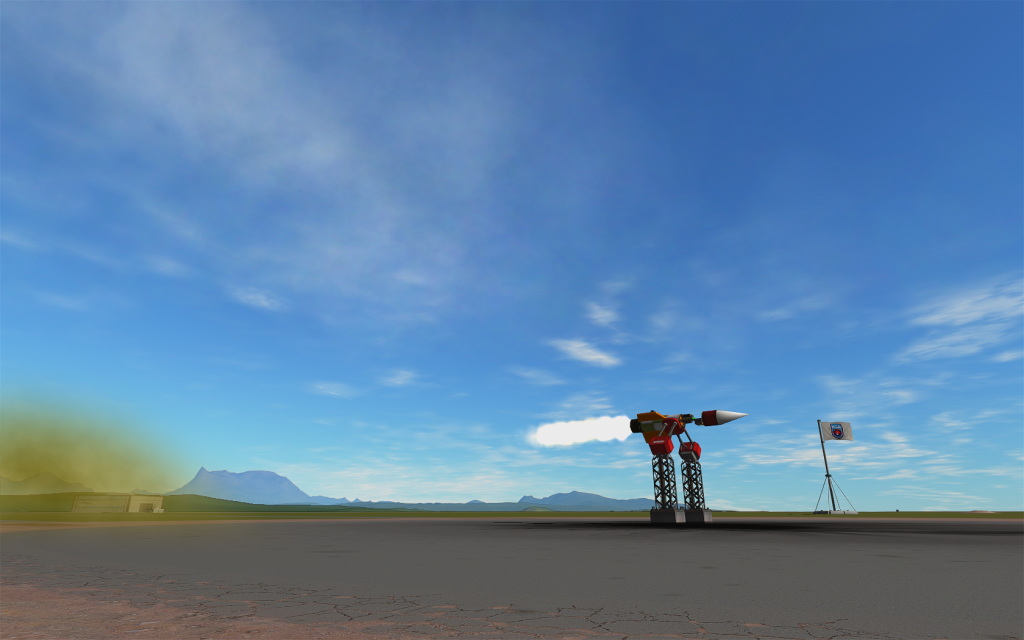
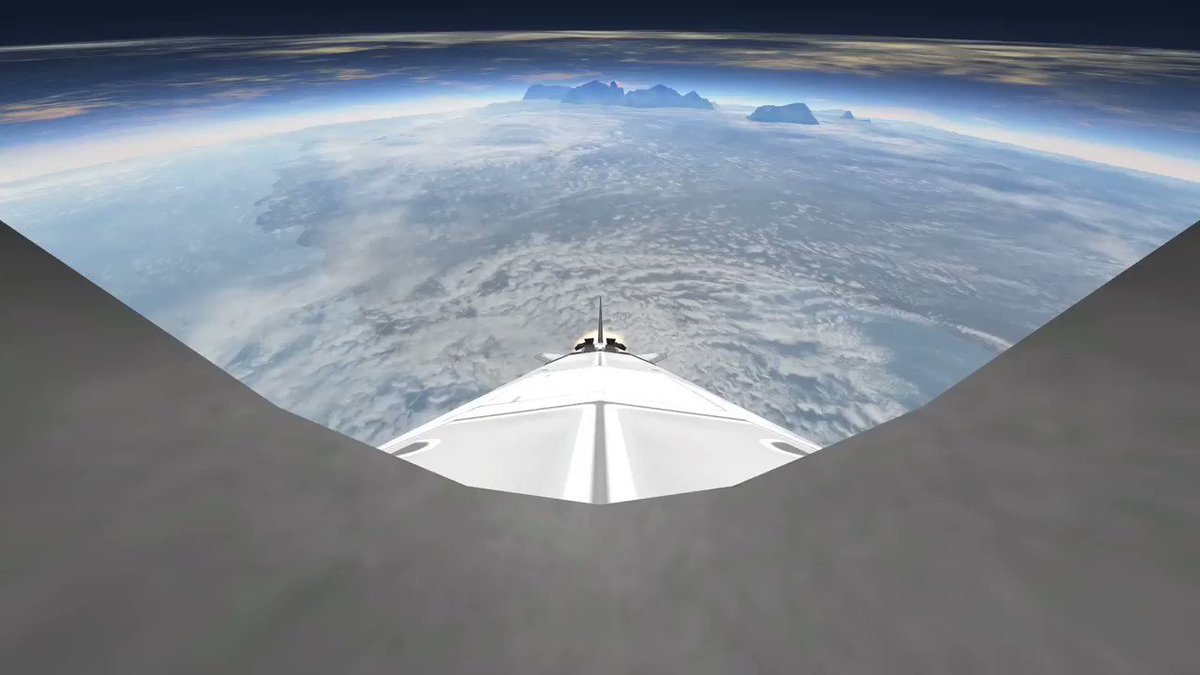
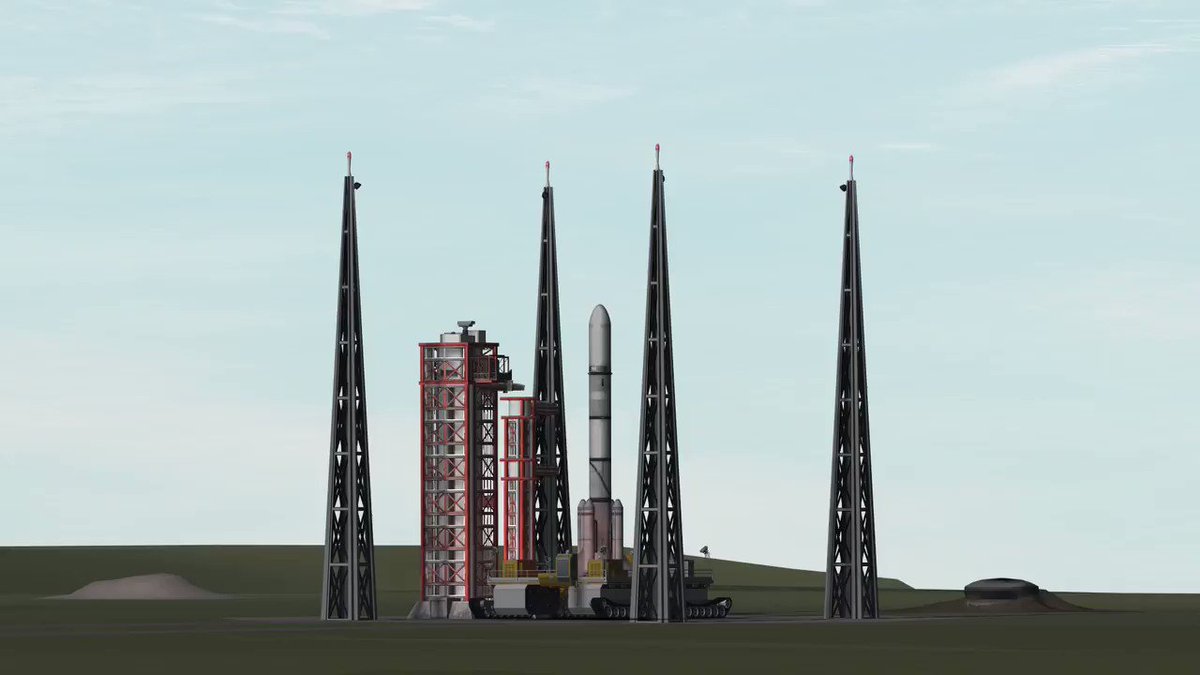
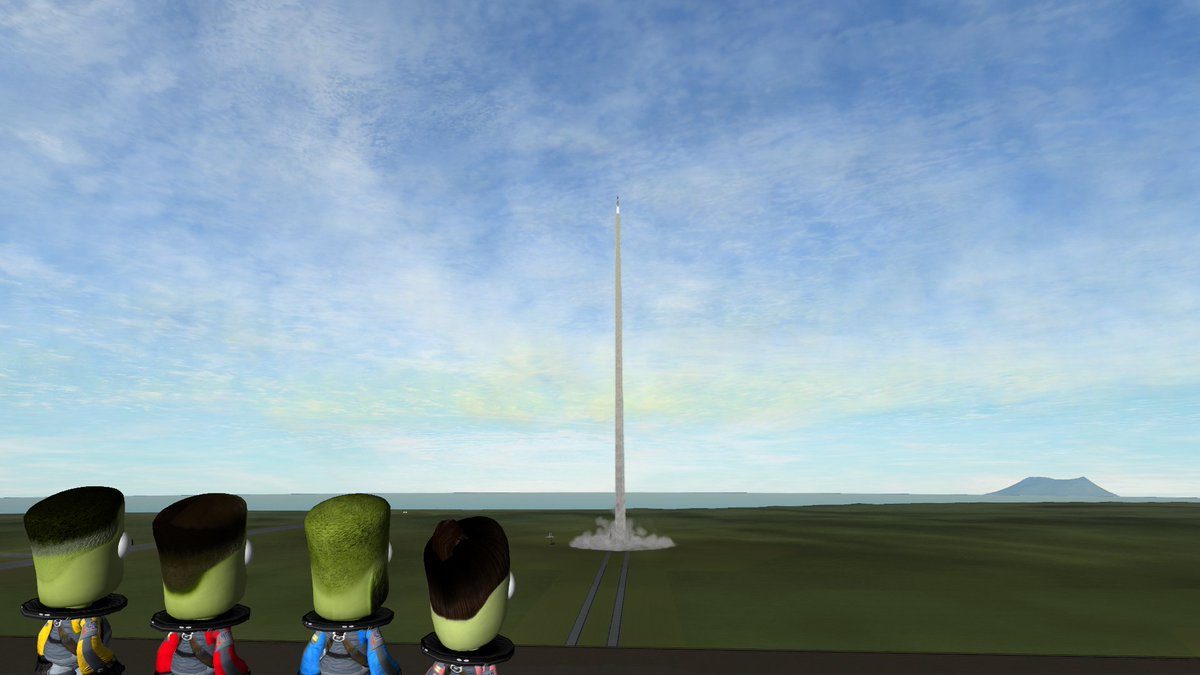
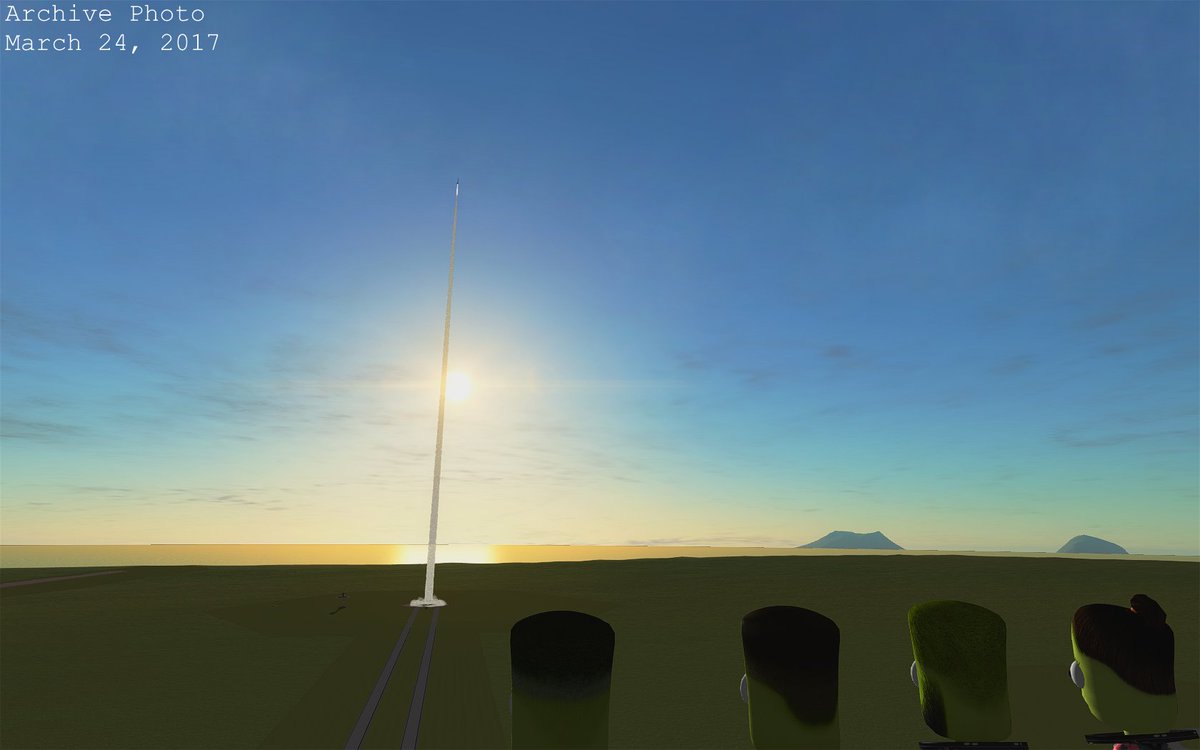
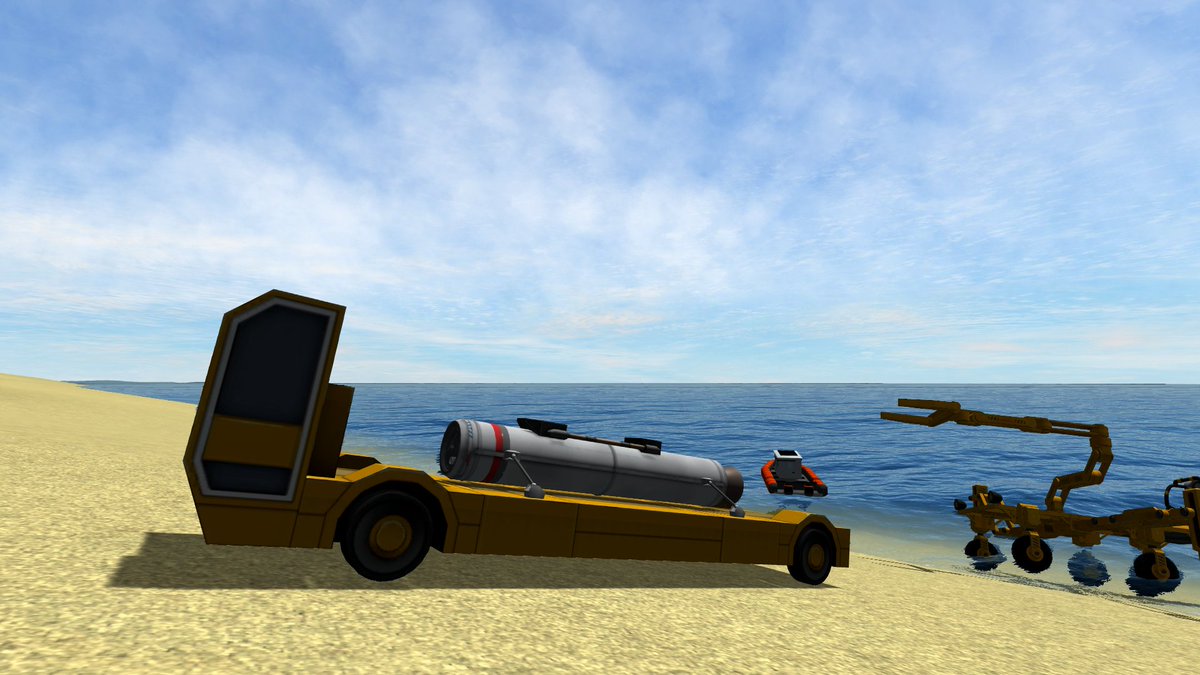
 Today marks the official retirement of the Mk4, the sixth design iteration of the Progenitor program. It launched five times, the most of any Progeny rocket to date, and although it suffered three failures it ultimately achieved the goal of being the first rocket to break out of the atmosphere and enter space for a brief period of time. The Mk4 represents the culmination of the iterative Progeny rocket design, building on previous single and multi-stage designs developed earlier in the program, and very little will be changed moving on to the Mk5, which will focus mainly on kOS scripting for automated flights. Program engineers have reviewed all the data from the five flights and have released numerous conclusions that will lay the foundation for flights of the Progeny Mk5.
Terminal Countdown
Although the Mk4 held no capability for automated flight, we were able to implement some automation on the ground side of things with the Automated Firing Control System (AFCS). This very basic system was designed to be manually triggered and then monitor the countdown timer to send the launch signal at precisely L-0:00:00.0, so down to the millisecond. Precise launch times will become important when looking to reach a specific orbital injection or even reach a certain area of space at apokee for a sub-orbital launch.