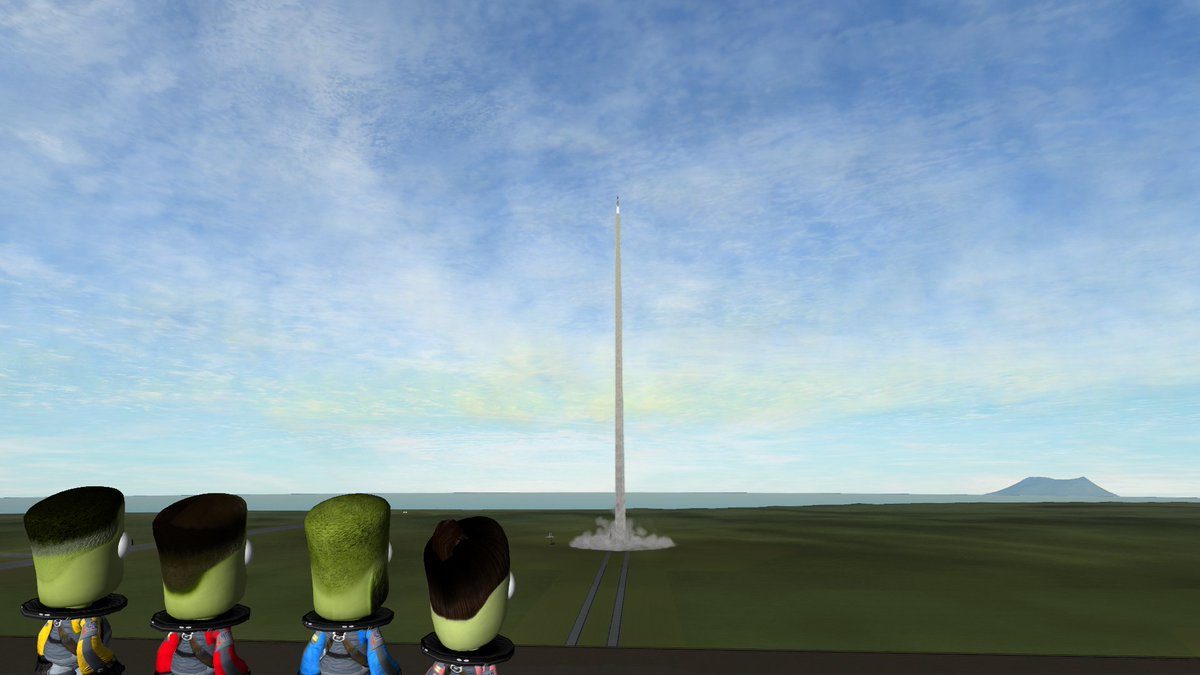
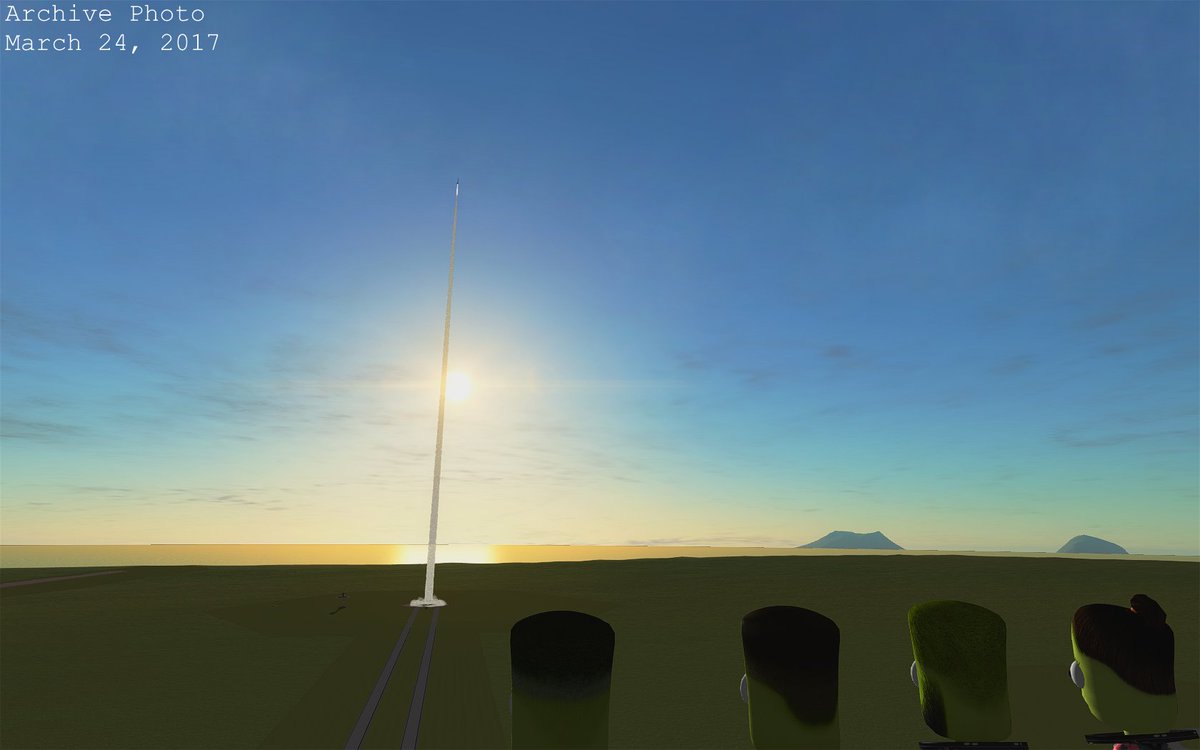
 With three recovered launches so far, the Mk5 was on track to becoming the most successful new rocket design on record until yesterday’s fourth launch, which unfortunately broke apart during the third stage boost 64 seconds after lift off. Progenitor engineers have been pouring over all various data collected, including telemetry data received from the rocket prior to its breakup as well as launch videos, to try to determine what went wrong, under pressure due to the fact that of they can’t figure it out we would be forced to delay the fifth launch set to take place tomorrow, on the anniversary of our first rocket launch. While they are still not 100% sure as to what happened, with the data available they have come to the best conclusion possible, which thankfully will not result in a postponement of tomorrow’s launch as the circumstances that led to this recent failure should be avoidable for future launches.
The conclusion reached is that upper-level wind shear literally tore the rocket apart, exacerbated by its high rate of speed at the time. Normally, the rocket would not be traveling as fast as it was but an error in the flight control software led to the third stage throttle being set to full thrust immediately after ignition rather than after dynamic pressure had begun to fall as the rocket climbed higher into the atmosphere. Engineers calculated that the wind shear alone could probably have still destroyed the rocket, but the excessive velocity made it all but impossible to survive.