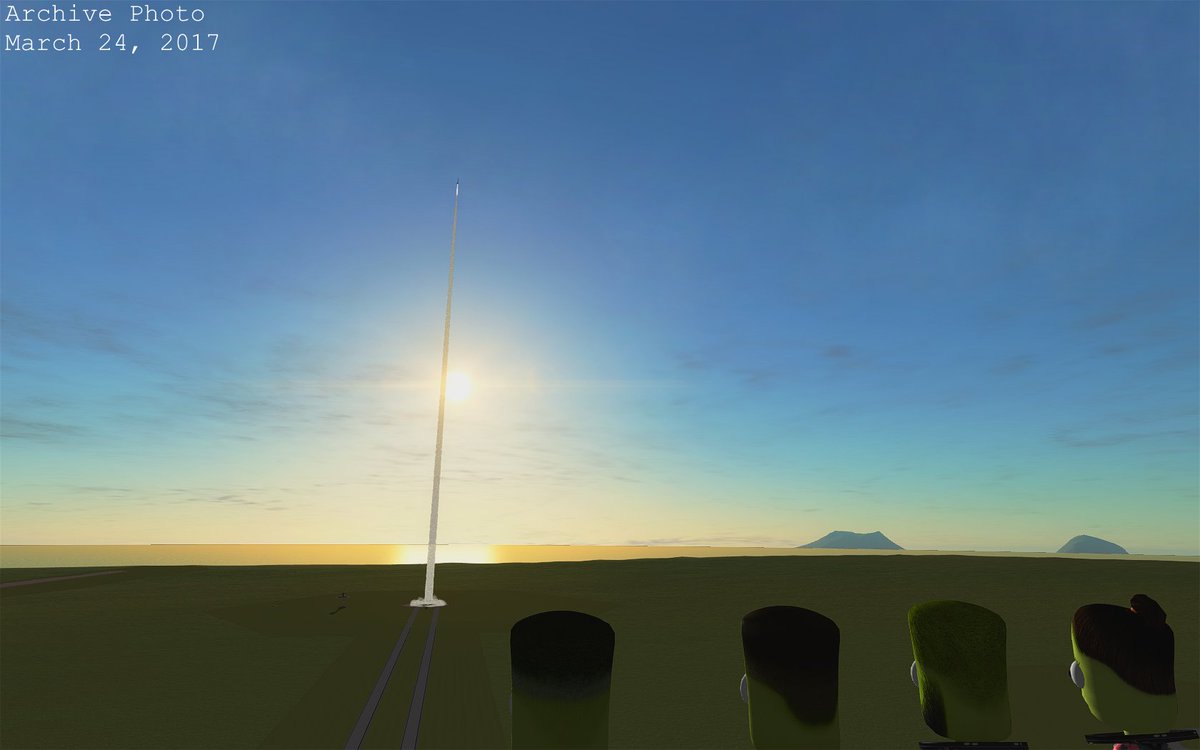
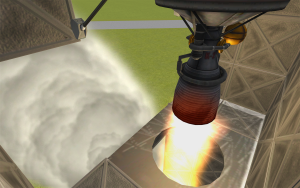
 Captain Jebediah and Commander Valentina make another attempt to reach Area KV-001 and also fully explore the region of potentially hazardous radiation over the northern ice caps
 |
 |



May 10 2018
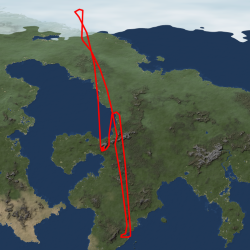
Captain Jebediah and Commander Valentina make another attempt to reach Area KV-001 and also fully explore the region of potentially hazardous radiation over the northern ice caps
|
|
May 04 2018
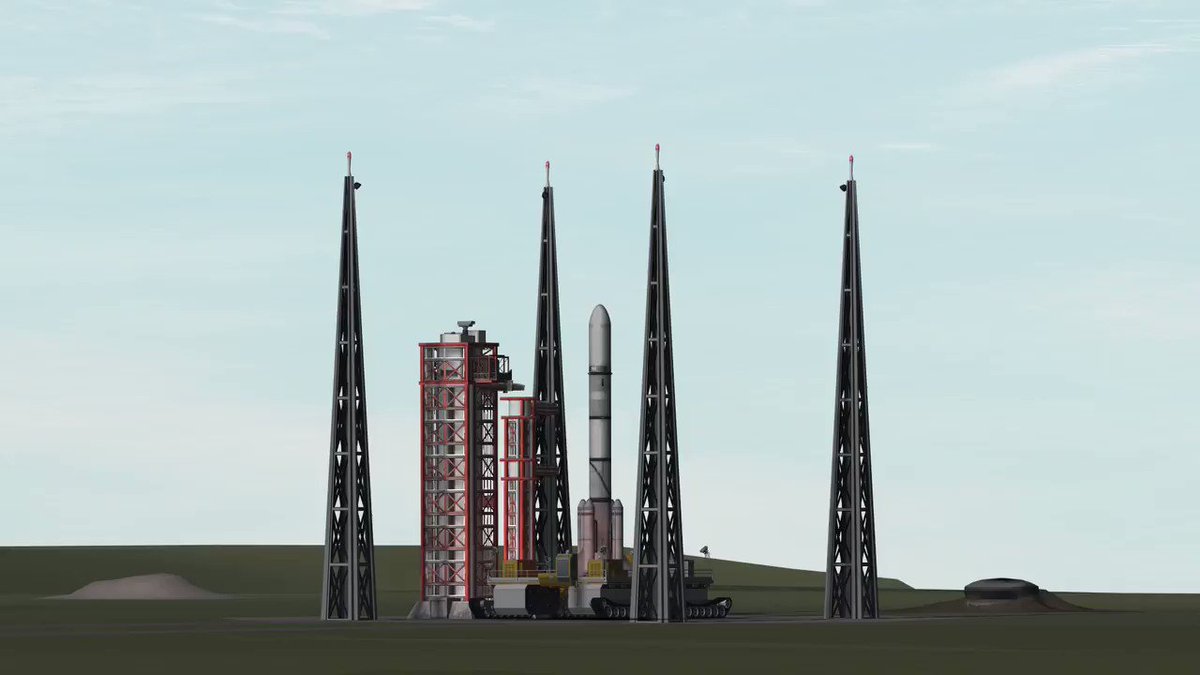
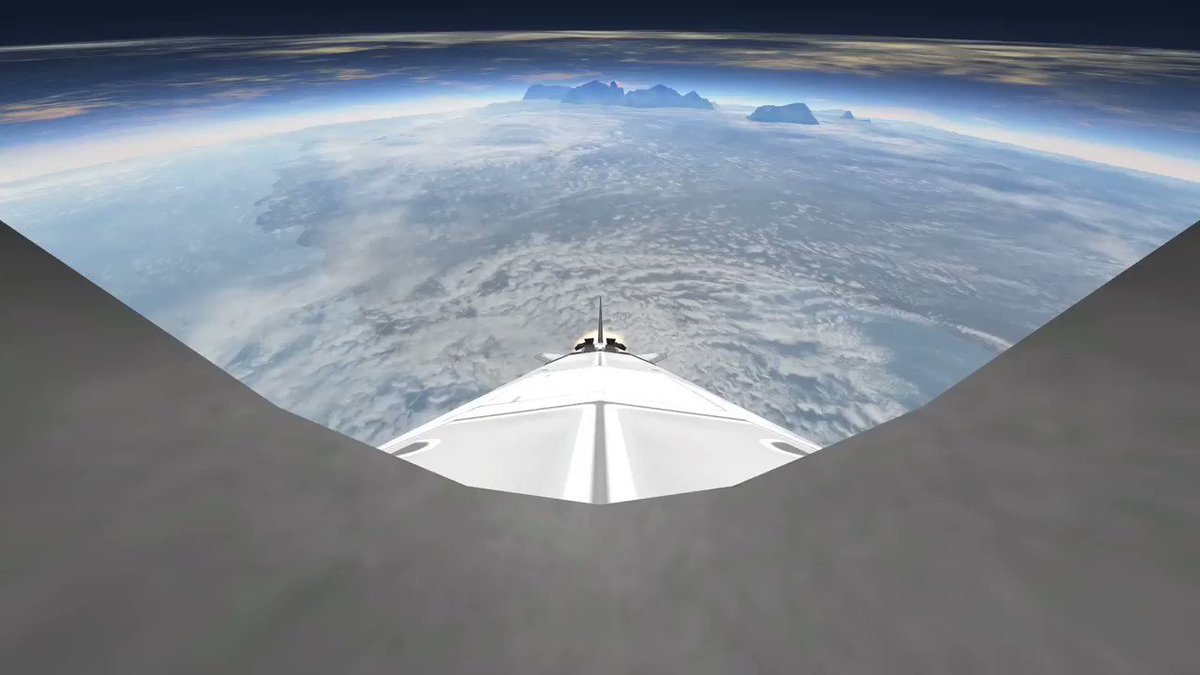
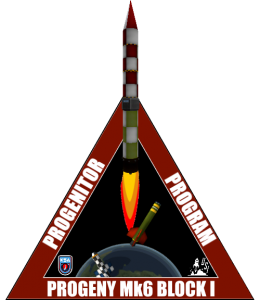 In our continued quest to explore the region of high radiation found above our planet the third launch of the Progeny Mk6 Block I was carried out earlier this week.
The initial launch time of 18:18 UTC was missed due to wind shear in the upper atmosphere that would have hit the rocket during its unpowered coast stage after dropping the first booster. A second weather balloon was sent up and returned nominal wind readings for a launch at 19:35 UTC. The rocket flew off the pad heading 135° ESE with an initial force of 67.2kN for 4Gs of acceleration to prevent drag at the nose from flipping the rocket over during this early flight phase. After only three seconds the lower 0.625m booster had reached its maximum thrust output of 68.9kN before beginning to fall off and prevent the rocket from exceeding 80kPa of dynamic pressure. At L+17.9 seconds the rocket reached a MaxQ of 76.318kPa at an altitude of 4.958km ASL as the lower booster continued to tail off thrust until flame-out at L+33.7 seconds. Now at 14.070km the Automated Flight Control System staged the booster after one second, cleanly pushing it away so when its fins were exploded a second later the debris did not damage the rocket, which continued to coast upwards for another 6.9 seconds before the nose fell 1.5° and the second stage booster was ignited at 18.601km.
May 01 2018
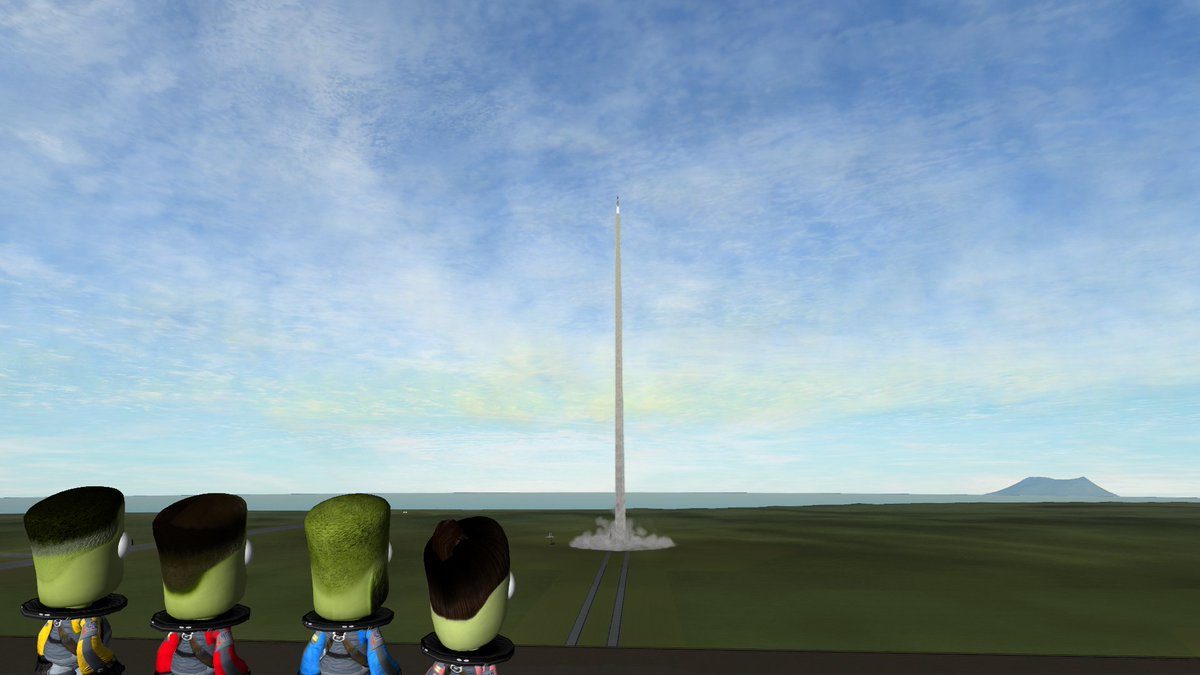
Prevented from launching for over two months due to legal and political wrangling the second flight of the Progeny Mk6 was finally able to head up into space and also successfully made it back to the surface intact for recovery thanks to some new tech that reached maturity during the delay. This was the third launch in a series of flights designed to probe out the region of hazardous radiation originally detected above the planet by earlier Progeny Mk5 flights. We have theories on what might be up there, but only hard data will tell us what actually exists. Thanks to the success of this flight we are a step closer to knowing, with two more planned to hopefully complete our initial understanding.
Despite the long break between launches regular drills kept everyone ready to resume operations and no troubles arose during the operations leading up to the launch, which occurred on schedule after high surface winds earlier in the day died down to acceptable levels. The Automated Flight Control System fired off the first stage 0.625m booster at precisely 13:58:00.05 local time, which pushed the rocket off the launch base with an initial thrust of 67.2kN for 4Gs of acceleration on a heading of 120°. This force was enough to keep drag at the nose from pitching up the rocket any more than 1.5° before the fins began to spin up and stabilize the remainder of the flight. The lower booster’s thrust peaked at 68.9kN just 3.6 seconds into the flight before the solid fuel core design began a thrust reduction to keep the vehicle’s speed under control as it passed through MaxQ at L+17.9 seconds traveling at 504.53m/s with a dynamic pressure of 77.987kPa. The first stage burned out after 33.67 seconds of powered flight and separated cleanly one second later. A second after that the fins were shredded with explosives to spoil the booster’s aerodynamics and send it plummeting towards the Kerblantic, where it impacted 19km downrange at L+3m9s.
Apr 30 2018
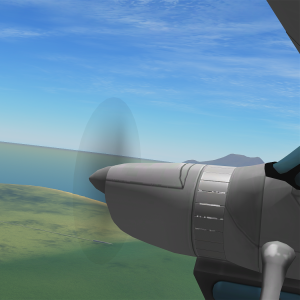
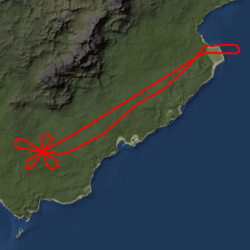
 Commander Valentina is tasked with flying out over the western Grasslands to Sector M16CX in order to gather atmospheric samples for the Field Research Team to keep track of pollen levels
 |
 |
Apr 27 2018
Apr 27 2018
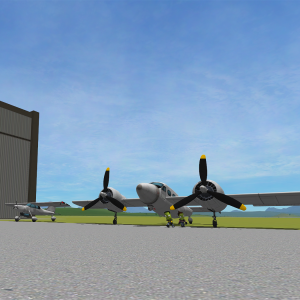
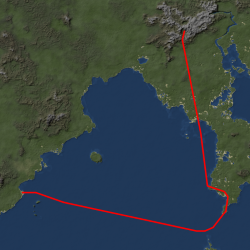
Commander Valentina and Captain Jebediah head back home with the newly-built Deuce on its first cross-country flight, swinging past Zone 64K-9M to conduct an aerial survey along the way
 |
 |




(previous record)
Heaviest Rocket Launched, Minus Payload: 19.862t (17.5t)
Heaviest Payload Launched, Orbital Trajectory: 1.662t (767kg)
Tallest Rocket Launched: 16.782m (16.212m)