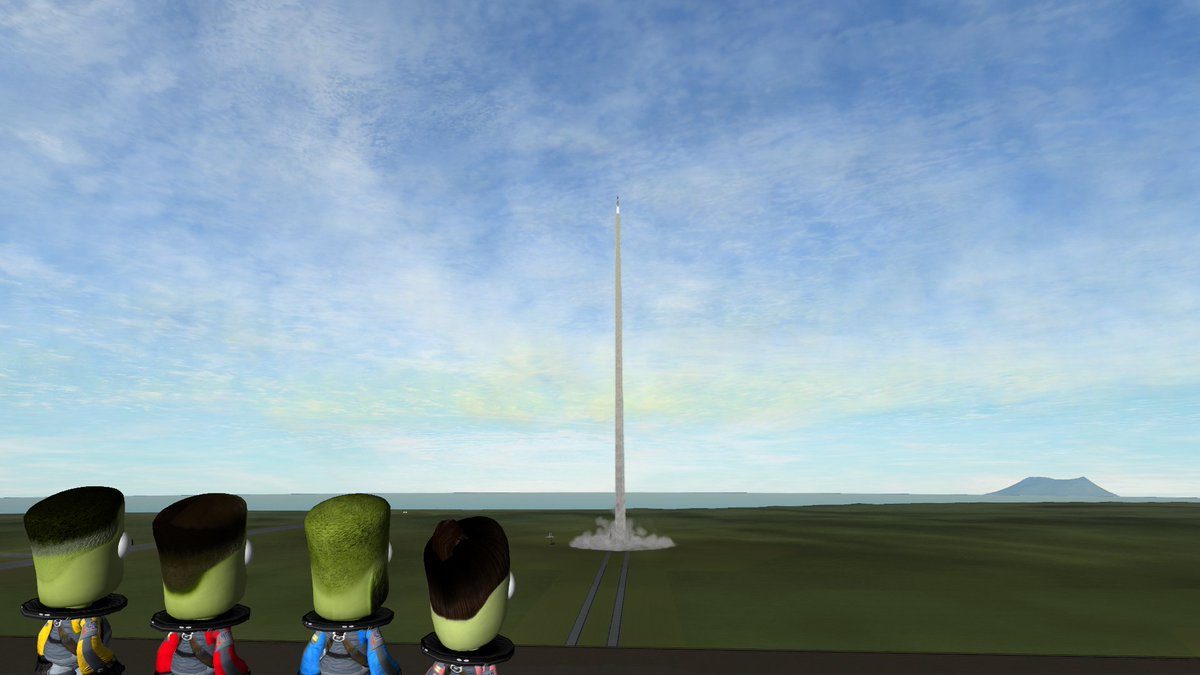
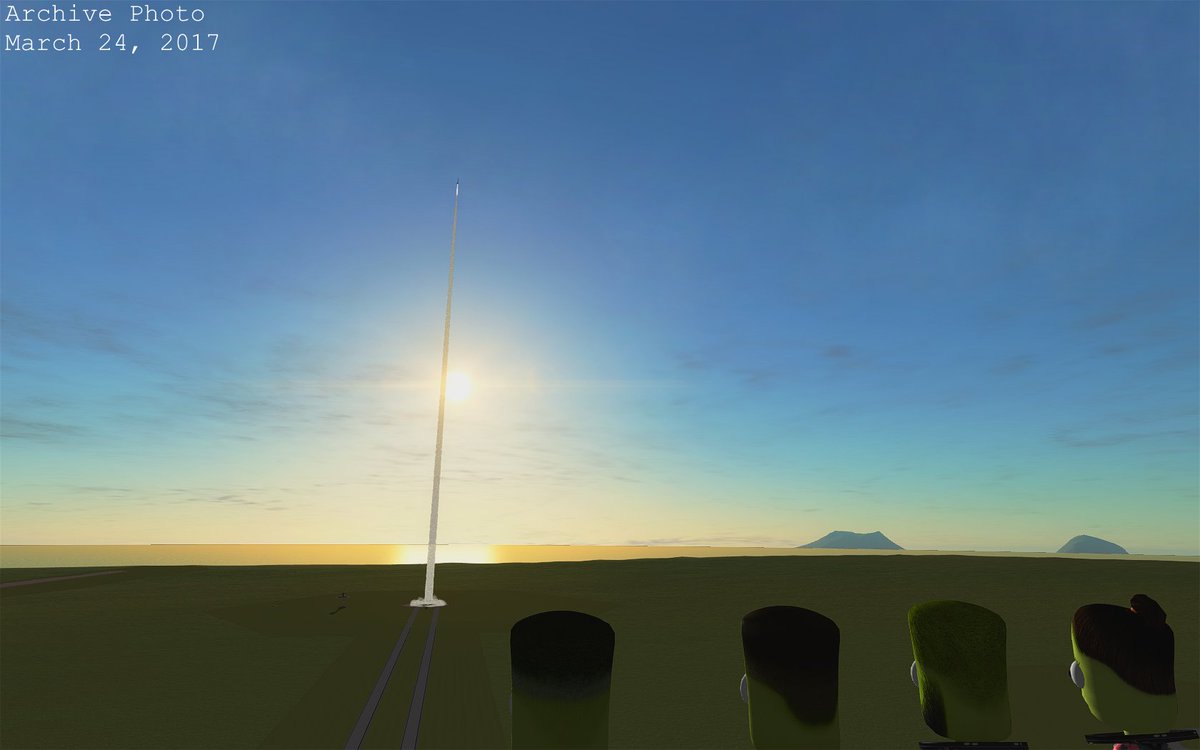
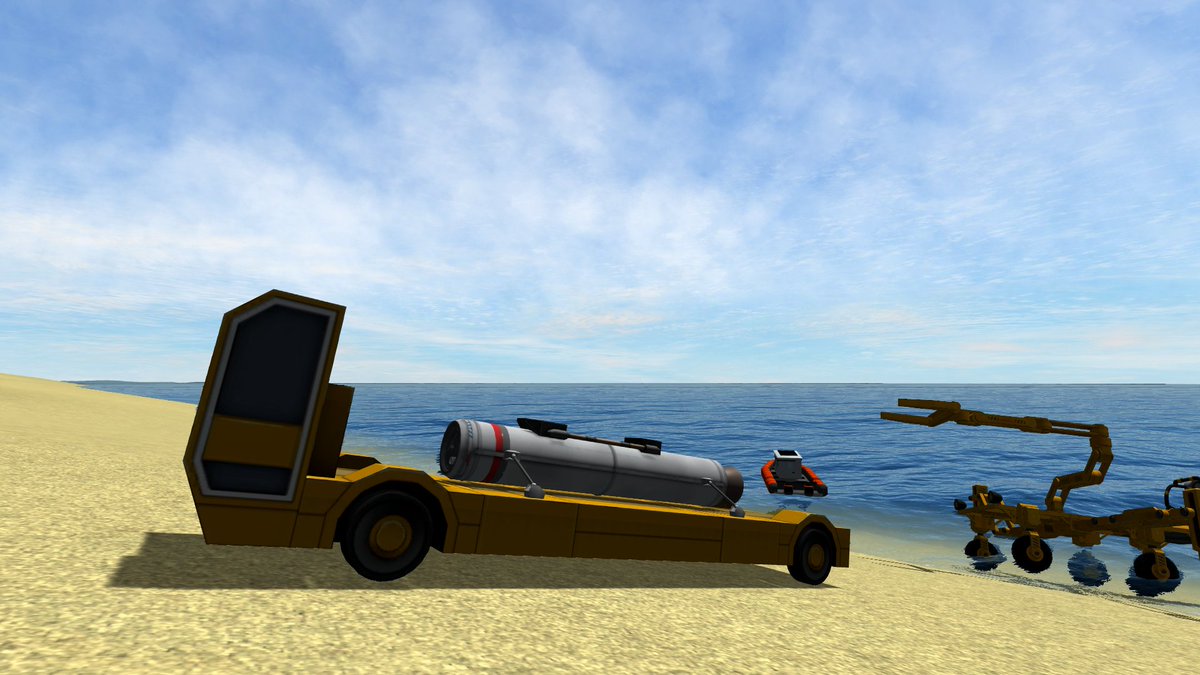
 Given that the first flight of the Mk6 Block I contained only slight tweaks from the previous Mk5 Block I flight of the same design problems were not expected and none occurred. Sadly, the rocket failed to be recovered and deprived the engineering team of high-resolution data stored onboard but we still have the 1-second interval telemetry beamed back during flight available here for review. As usual we will detail the flight and then dive into some analysis and future planning.
The Flight
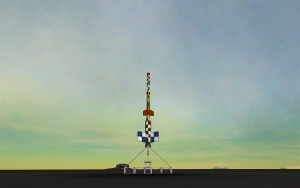
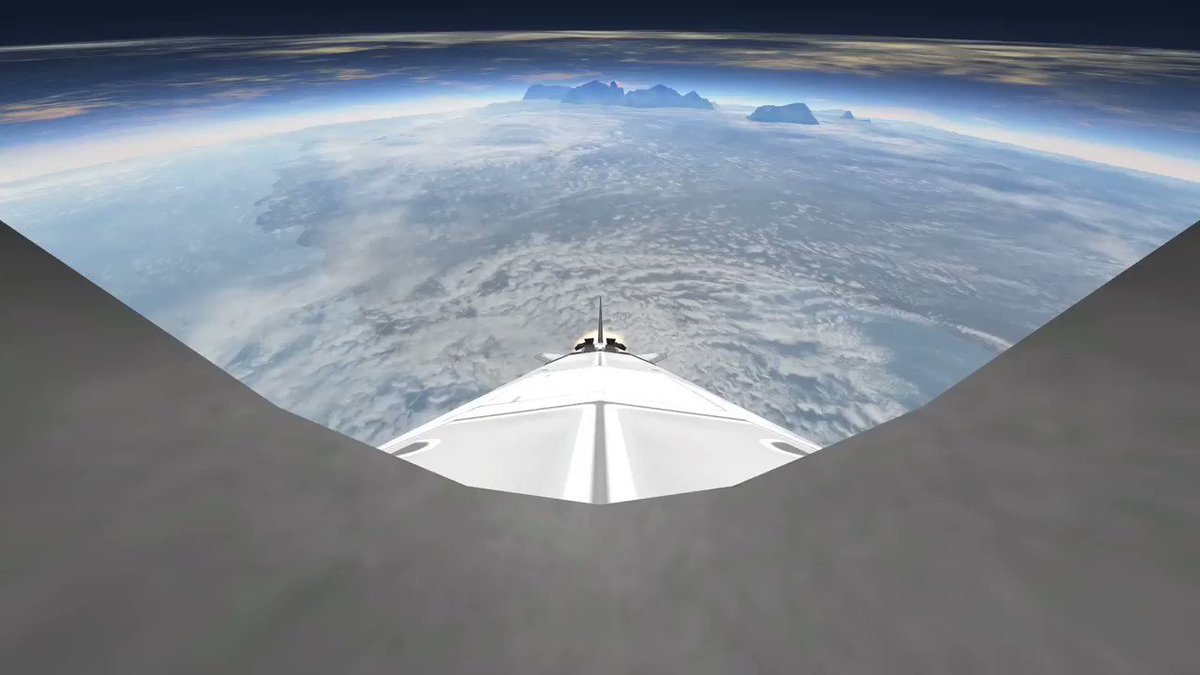
Great weather on launch day and no issues during pre-flight operations allowed the rocket to liftoff on schedule, with the Automated Flight Control System igniting the lower 0.625m solid rocket booster at precisely 16:01:00.04 local time. The booster pushed the rocket off the launch base with an initial thrust of 67.2kN for 4Gs of acceleration to keep the nose from rising more than 2° before the lower fins began to spin up the rocket. Launching from a heading of 105° the rocket began its trek east-southeast slightly out of alignment with the rotation of Kerbin. After 5 seconds the booster’s thrust profile began to reduce power as the rocket approached MaxQ, which it reached at 17.84s at a pressure of 79.139kPa – closest so far to the maximum 80kPa threshold to which we are trying to restrain the Progeny ascents. At 33.66s the booster had expended all its fuel and was cleanly decoupled one second later, with its fins shredding a second after that as the rest of the rocket continued its ascent in a coast phase, waiting for the nose to drop 1.5°.