



|
Oct 13 2017
Operations Summary – Week of 10/9/17
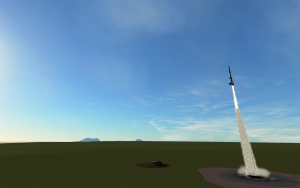
Oct 12 2017
September Deuce Crash Report & Future Plans
 The investigation of the Deuce crashing into the Kerblantic during its last test flight has been concluded. Investigators were once again able to do a complete study on the entire aircraft, with the engines dredged up from the seafloor and both flight recorders intact. Mechanical inspection of the aircraft turned up no signs of flaw, with systems all operating normally and two good engines running without issue up to the moment of impact.
Review of the flight recorders shows that Captain Jeb was initially making a good approach, as he had on two previous flights to land the Deuce safely on the runway, but coming out of base leg onto his final approach when he went to roll the aircraft level he did not apply enough rudder to keep the nose pointing in the direction the plane was headed. This sideslip caused his airspeed to drop, but not dangerously so, he was still traveling above 60m/s approach speed. Jeb applied rudder late, but was able to counteract the sideslip and return the plane to an almost nominal flight path.
Unfortunately the aircraft was still slipping enough that when he then went to lower the landing gear immediately afterwards, the bay doors dropped at an angle into the airstream enough to create a significant increase in drag. This keeled the aircraft over and caused it to plunge almost straight down into the water from a height of 380m, hitting with a speed of 83m/s and a momentary force of 24Gs, which was largely absorbed by the nose cone’s crush core. Still, Jeb suffered a minor concussion as his chair was partially ripped from the floor and his head flung into the instrument panel, knocking him out for a short period.
As the concept of retractable landing gear is still new, it is understandable that Jeb would not have considered the implications of lowering his gear while the plane was in a sideslip, however minor. C7 engineers in the Genesis program have been spending more time experimenting with deploying the landing gear in various flight regimes in the wind tunnel to determine the full range of effects the bay doors and the gear themselves have on the aircraft. Training will be updated accordingly.
Oct 12 2017
Introducing the Progeny Mk5 Block II
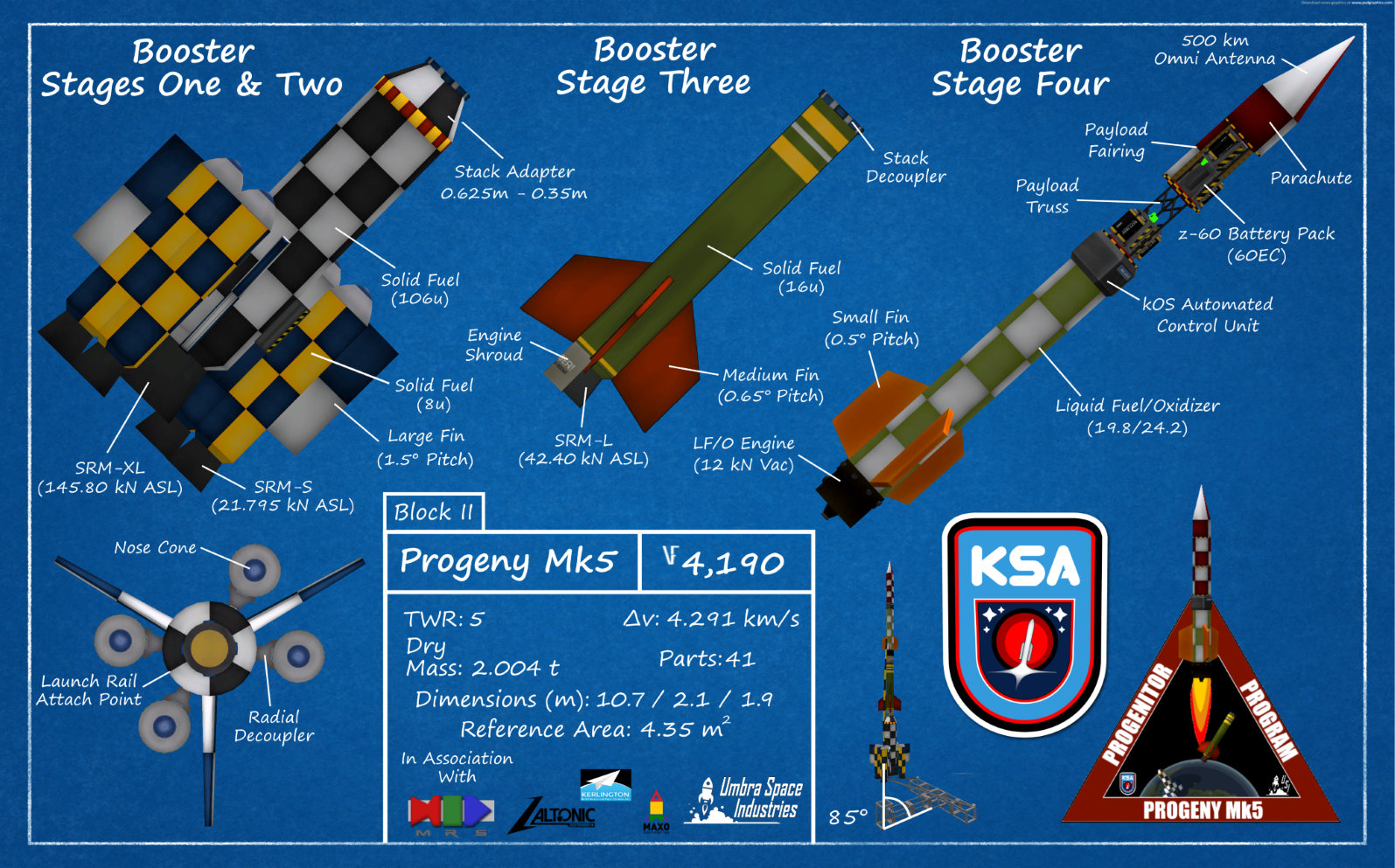
 The Mk5 Block II has been finalized! This bigger variant of the Mk5 adds power with 4 strap-on boosters and an extended liquid fuel tank. The strap-on boosters are an upgraded version of the Mk1-B booster, which can now output 21.795kN of thrust at sea level with greater efficiency as opposed to 18.75kn. Upon liftoff all 5 lower boosters will ignite for a total thrust-to-weight ratio of 5, which is 1G greater than the Mk5 Block I to help compensate for both the increased mass & length, which could cause the rocket to stand up a bit more as lift at the nose will have a greater torque effect with the nearly 1m extension. The strap-on boosters will burn for just over 6 seconds before being decoupled to leave the core booster firing with enough thrust to continue pushing at 3+Gs for another 15 seconds before it too is discarded. The third stage booster has been set to a TWR of 2 at 9km ASL and once ignited will burn for 15.5 seconds. The stage four liquid booster will be able to burn well over a minute or two depending on how its throttle is set during ascent.
The added power of the Block II should allow us to extend our reach into space beyond the boundaries of Low-Kerbin Orbit (LKO) which extends from 70km – 250km above Kerbin’s atmosphere. Although the rocket is almost 500kg heaver than the Block I it still manages to deliver almost 1km/s more deltaV, which when modeled with the highest Mk5 trajectory pushed our apokee out beyond 300km – and that was assuming a coast period up into the vacuum of space after the LF/O engine burnt out so with a continuous burn from the Block II’s double-capacity liquid fuel tanks we may even be able to get higher.
All this speculation will be put to the test when we launch our first Block II, which is currently scheduled to occur no earlier than November 15th. The launch date & time will be finalized later this month after we see how the Block I performs, as any defects found with it will also most likely affect the Block II. Despite the 4 added boosters Lead Engineer Simon reports that the VAB will only need two additional days to install them, giving us roughly a 2.5 week minimum turnaround between Block II launches as opposed to the 2 weeks needed for the Block I. Additional details can be viewed in the blueprint below.
Oct 10 2017
Civvie Science Flight 26
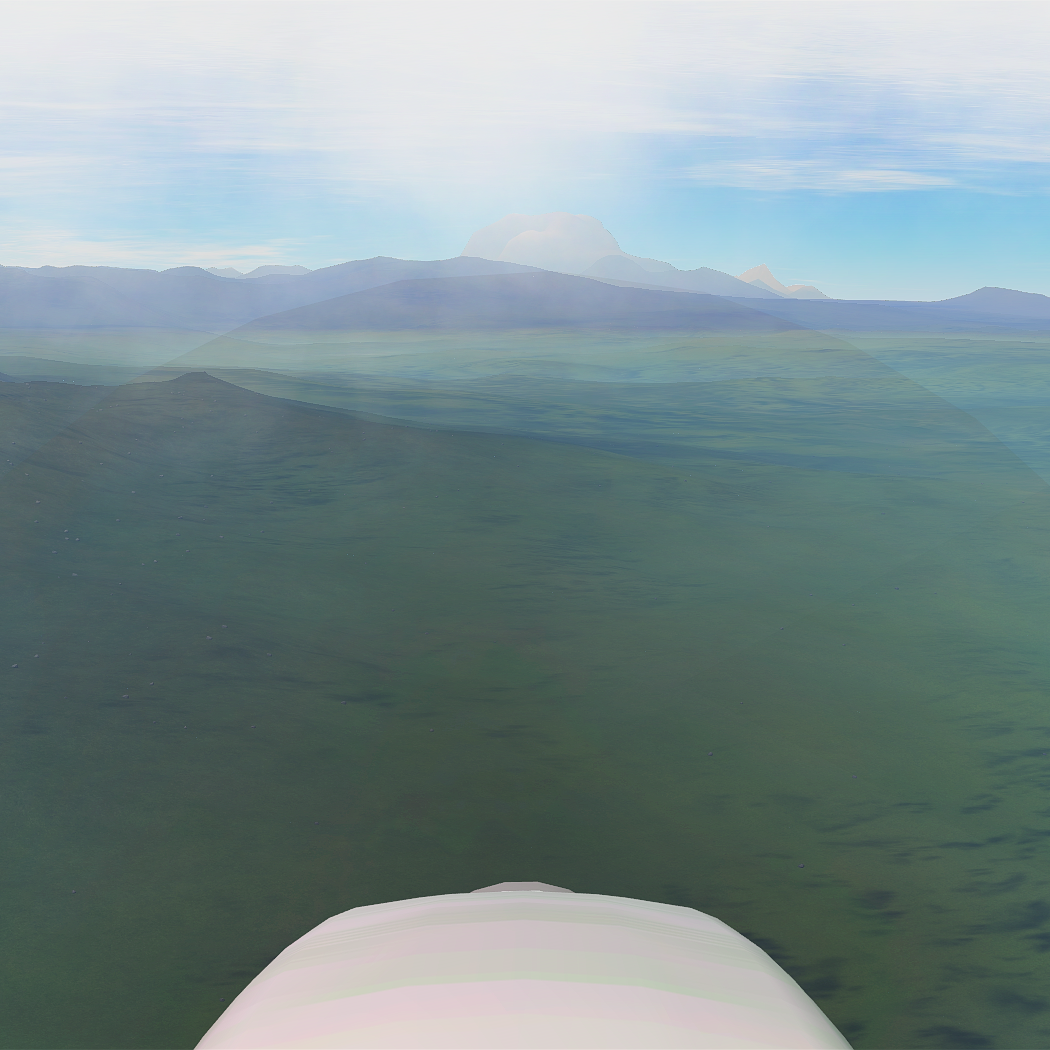
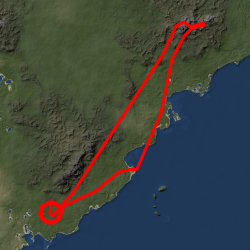
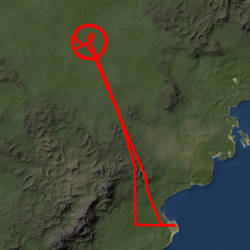
 Commander Valentina gathers more air samples to help monitor pollen levels further west in the Grasslands over Zone 8KKZ then heads north to Sector IBL0TR over Mount Kermon for an aerial survey
 |
 |
Oct 05 2017
Low-Altitude Science Survey 25
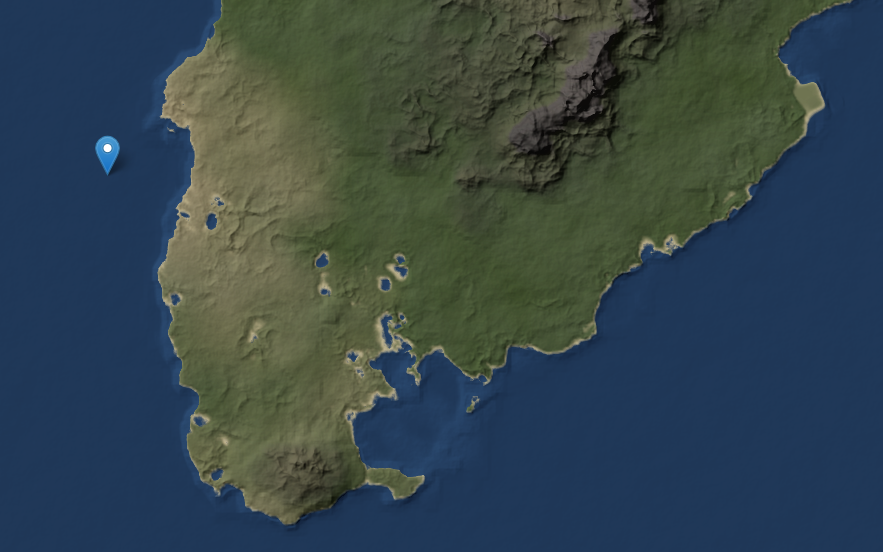
 Specialist Bob, still aboard MSV Tongjess, launches from Sector RP-010 to gather pressure data for Kerbolyov Design Bureau while Specialist Bill stands by in the event of a land recovery due to winds
Oct 05 2017
Progeny Mk5 Design Review & Block I
 Progenitor teams have been spending the last few weeks pouring over data gathered from the flights of the Progeny Mk4 and Mk5 to see how they have compared in order to judge the overall performance of the new Mk5 after its initial series of 5 launches last month to develop & test our automated control software. The Mk5 sports the M-315 automated control unit and replaces the old control unit with an extra battery, which makes it only 36kg heavier than the Mk4 when both lack payload instruments. The inline control unit adds a bit of length to the third stage, with the Mk5 measuring in at 9.5m tall versus the Mk4’s 9.3m. The only other variation for the Mk5 was that we launched it at an initial pitch of 87° versus the Mk4 which was launched at 85°. While we expected most if not all of these launches to reach similar heights of the Mk4 or even exceed them, none actually did.
The two related reasons behind the inability of the Mk5 to surpass the Mk4 were initial pitch and coast duration between staging. Although the rocket launched at 87°, the initial drag at the nose pitched it up to as high as 89.4° within 1 second. Ascending so close to vertical gave the Mk5 a slower start due to having to fight gravity more, and it never caught up to the Mk4 in terms of ascent speed, even if we account for the Mk4’s slightly lesser mass. Since the rocket was standing up so straight, it also took a longer time to pitch over, which meant the coast periods were longer, during which the Mk5 lost more speed than it would gain back between the first and second stages compared to the Mk4. Let’s go to the graphs!
Oct 04 2017
Low-Altitude Science Survey 24
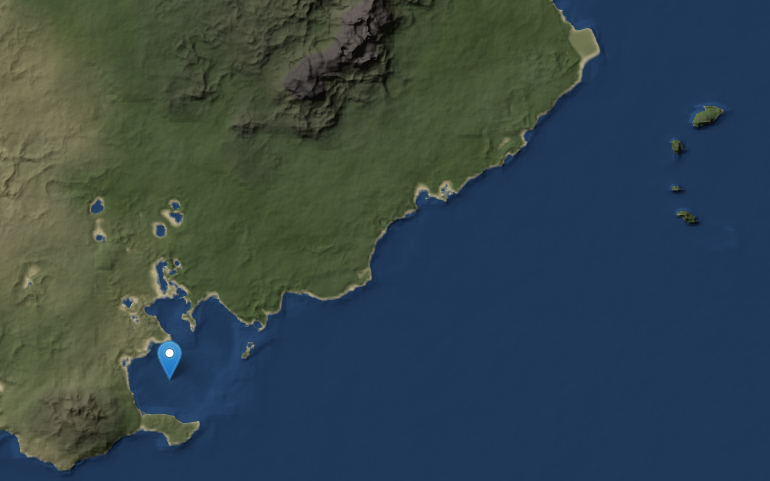
Specialist Bob heads to Sector RT-M0H aboard the Maritime Service Vessel Tongjess to launch & recover after gathering temperature data for Zaltonic Electronics
Oct 03 2017
Civvie Science Flight 25
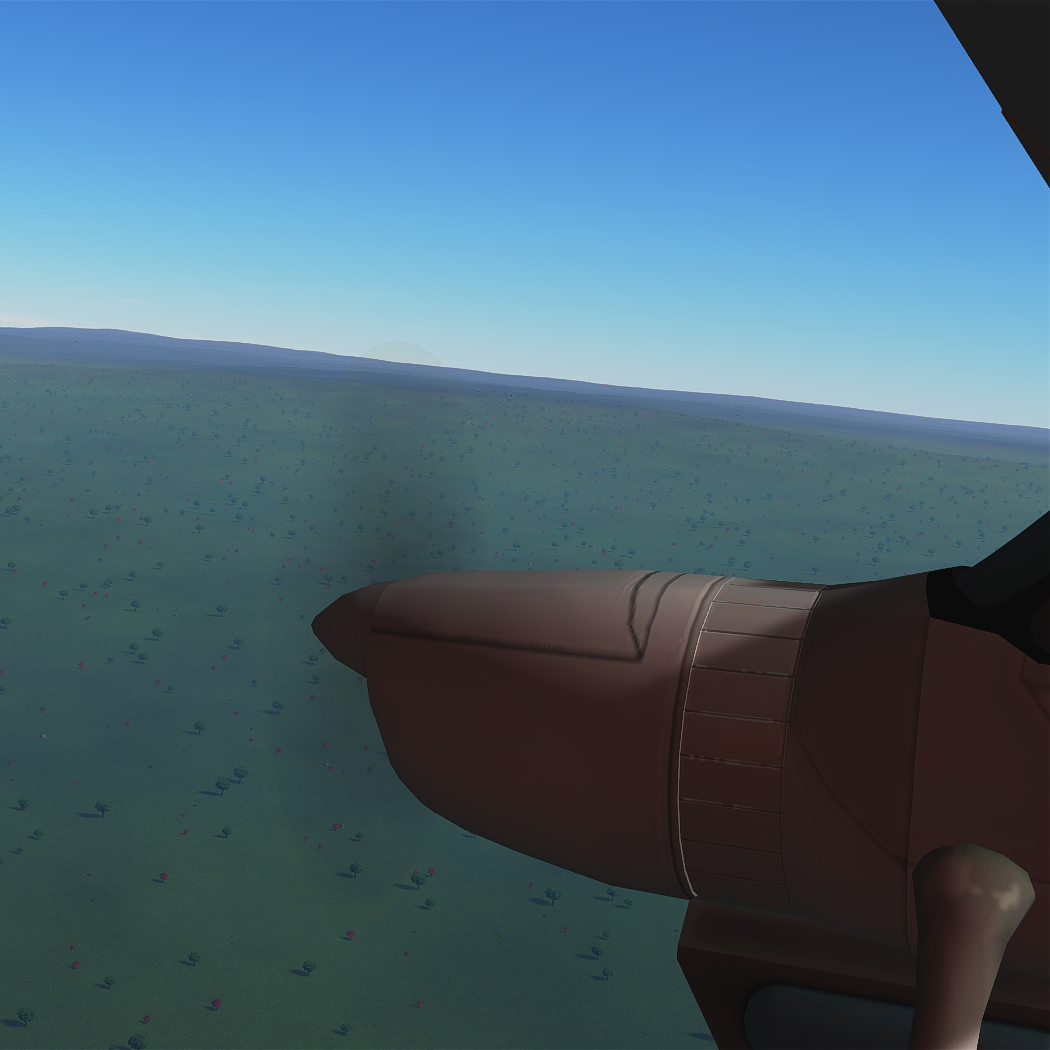
Captain Jebediah follows up on Commander Valentina’s previous atmospheric observations with a more complete survey over Area KP-879 for the Field Research Team’s pollen level studies
 |
 |
KSA Main Image Gallery

Updates from Mission Control
Kerbal Space Agency
@KSA_MissionCtrl
@KSA_MissionCtrl
we’ve also placed another order for K2-X engines. This latest Ascension Mk3 mission has shown we want to move faster than planned to the Mk4 so the thrust vector control version of the WildCat-V will begin development immediately and we will order more when that is ready
🔄 0
❤️ 2
Kerbal Space Agency
@KSA_MissionCtrl
@KSA_MissionCtrl
a final round of static fires last week has completed the WildCat-V’s second qualification run & we’ll know for sure by next month if it is finally ready for production. If so, two will be ready by Q3 2021 for Extremis I and a Min/Minmus mission
🔄 0
❤️ 1
Kerbal Space Agency
@KSA_MissionCtrl
@KSA_MissionCtrl
the Viklun upper stage will be systematically dismantled to help determine the cause of the flexing and what effect it had on the overall structural integrity of the rocket. The damage from splashdown will reduce these findings but hopefully the effort will still prove valuable
🔄 0
❤️ 1
Kerbal Space Agency
@KSA_MissionCtrl
@KSA_MissionCtrl
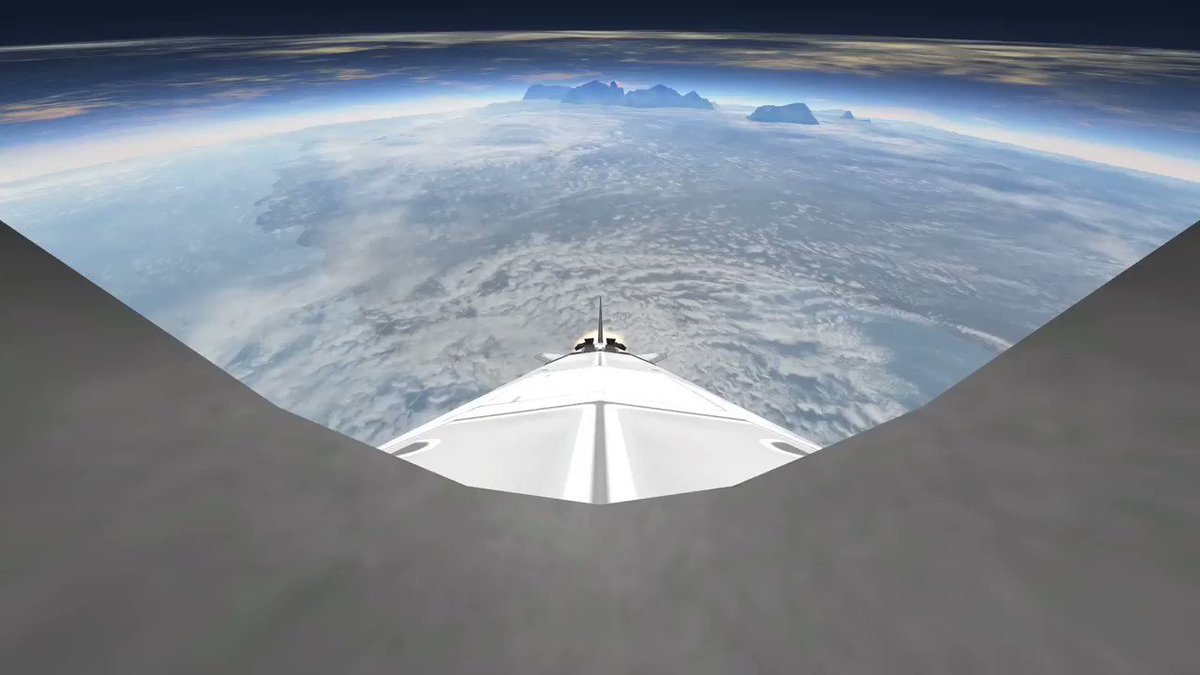
onboard vid shows the pitch oscillations during the Ascension Mk3’s ascent were way worse than we imagined – the *entire rocket flexed* 😱 inherent structural issue? Could also be from the air pressure at the nose (think boat bow slamming up & down on hvy seas) from shallow angle

🔄 0
❤️ 5
Kerbal Space Agency
@KSA_MissionCtrl
@KSA_MissionCtrl
when the Viklun stage splashed down the empty fuel tanks blew out, helping to alleviate impact pressure on the payload but fragments pierced the flight computer & damaged the flash memory. Onboard tlm data was lost but the ops log final mins were able to be pieced back together

🔄 0
❤️ 0
Kerbal Space Agency
@KSA_MissionCtrl
@KSA_MissionCtrl
one of the things that led to the win was research done by KSA scientists to prove that asteroids contain mineral wealth which could greatly alleviate the need for surface mining. We are committed to working on a system of space resource gathering for deployment later this decade
🔄 0
❤️ 1
Kerbal Space Agency
@KSA_MissionCtrl
@KSA_MissionCtrl
here we can say we are actually working closely with Monolithic followers to protect Kerbin’s pristine environment that developed after the asteroid strike. A major victory was won today in court with a 5-year moratorium established against surface mining
🔄 0
❤️ 1
Kerbal Space Agency
@KSA_MissionCtrl
@KSA_MissionCtrl
the KSA has been involved for the past two years, led by a legal team put together by Lead Scientist Cheranne, in helping environmentalists to fight against companies looking to incorporate with the purpose of mining the surface of Kerbin to extract raw materials
🔄 0
❤️ 1
Kerbal Space Agency
@KSA_MissionCtrl
@KSA_MissionCtrl
some Ascension Mk2 bit.ly/KSARecords have now been claimed by the Mk3:
(previous record)
Heaviest Rocket Launched, Minus Payload: 19.862t (17.5t)
Heaviest Payload Launched, Orbital Trajectory: 1.662t (767kg)
Tallest Rocket Launched: 16.782m (16.212m)
🔄 0
❤️ 0
Kerbal Space Agency
@KSA_MissionCtrl
@KSA_MissionCtrl
at this time we do not know the nature of the threat or the time frame, but given that we have suffered an attack in the past (kerbalspace.agency/?p=9965) we have no choice but to take this seriously & deal with the relatively minor inconvenience compared to a potential loss of life
🔄 0
❤️ 2
Kerbal Space Agency
@KSA_MissionCtrl
@KSA_MissionCtrl
there is also now apparently a threat against KSC and we have complied with orders from the government security forces earlier today that the entire facility be evacuated. We will continue to operate at limited capacity from our HQ in Umbarg until the threat has passed

🔄 0
❤️ 2
Kerbal Space Agency
@KSA_MissionCtrl
@KSA_MissionCtrl
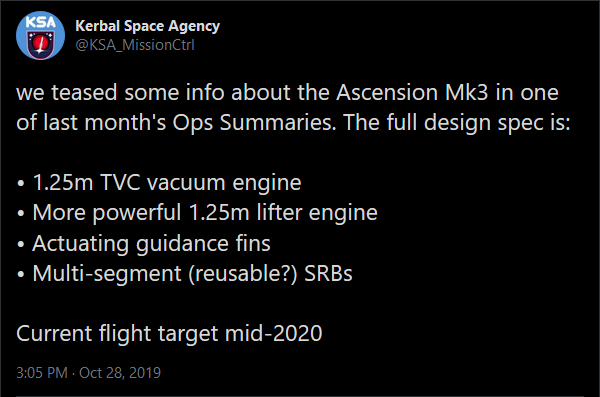
the original plan to develop a 1.25m TVC vacuum engine was put on hold to instead work on the 1m vac engine suitable for payloads and also because our experience with the Progeny Mk7 made us want to get more TVC engineering data from the Mk8 for a fully TVC Ascension Mk4 by 2022

🔄 0
❤️ 4
Kerbal Space Agency
@KSA_MissionCtrl
@KSA_MissionCtrl
in putting together the Ascension Mk3 mission report timeline (kerbalspace.agency/?p=11619), since it is the first, we go all the way back thru the rocket’s development as well. That reminded us of this tweet outlining the Mk3’s design goals. What happened to the TVC vacuum engine?
🔄 0
❤️ 0
Kerbal Space Agency
@KSA_MissionCtrl
@KSA_MissionCtrl
the Viklun stage & Kerbin III have been transported via rail back to KSC after arriving in port at Umbarg on Sunday. We still have to confirm that Kerbin III remains fit for flight but visual inspection looks good. Entire Viklun stage will need to be rebuilt but that was expected
🔄 0
❤️ 0
Kerbal Space Agency
@KSA_MissionCtrl
@KSA_MissionCtrl
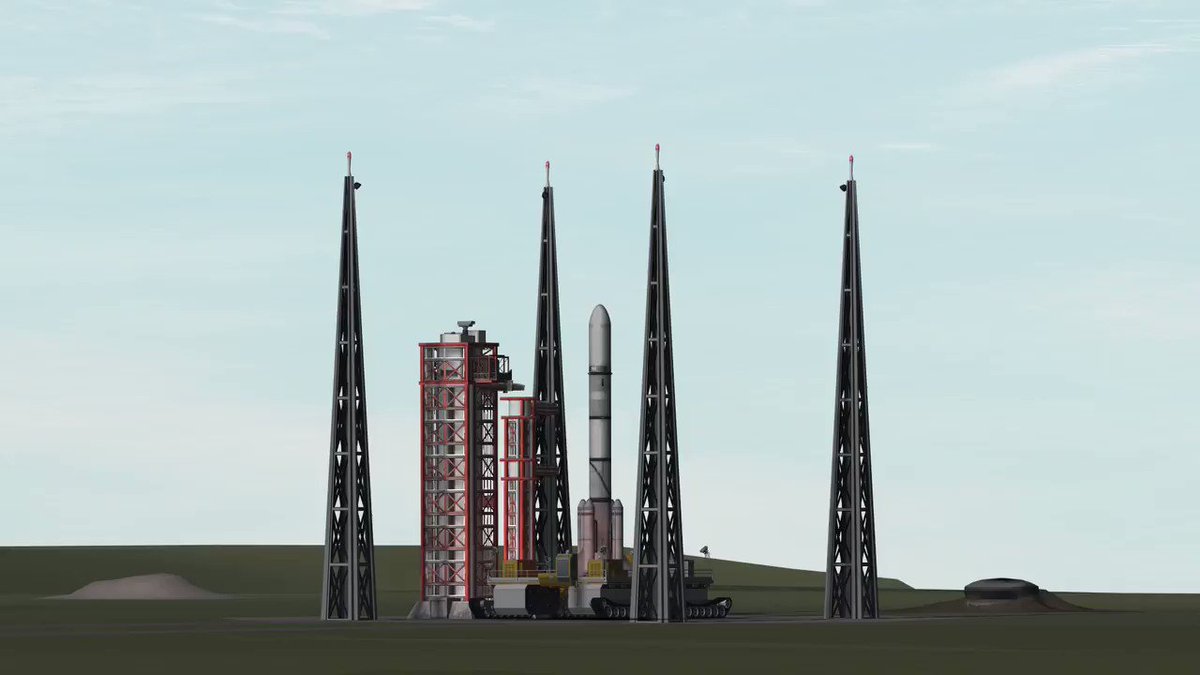
we are working on a full launch video but here is a look at initial ascent and booster drop from the ground tracking cam atop the Tracking Station & cam atop the crew tower. Bonus to upper-stage recovery is that we will get high FPS video from the booster camera for once!
🔄 0
❤️ 6
Kerbal Space Agency
@KSA_MissionCtrl
@KSA_MissionCtrl
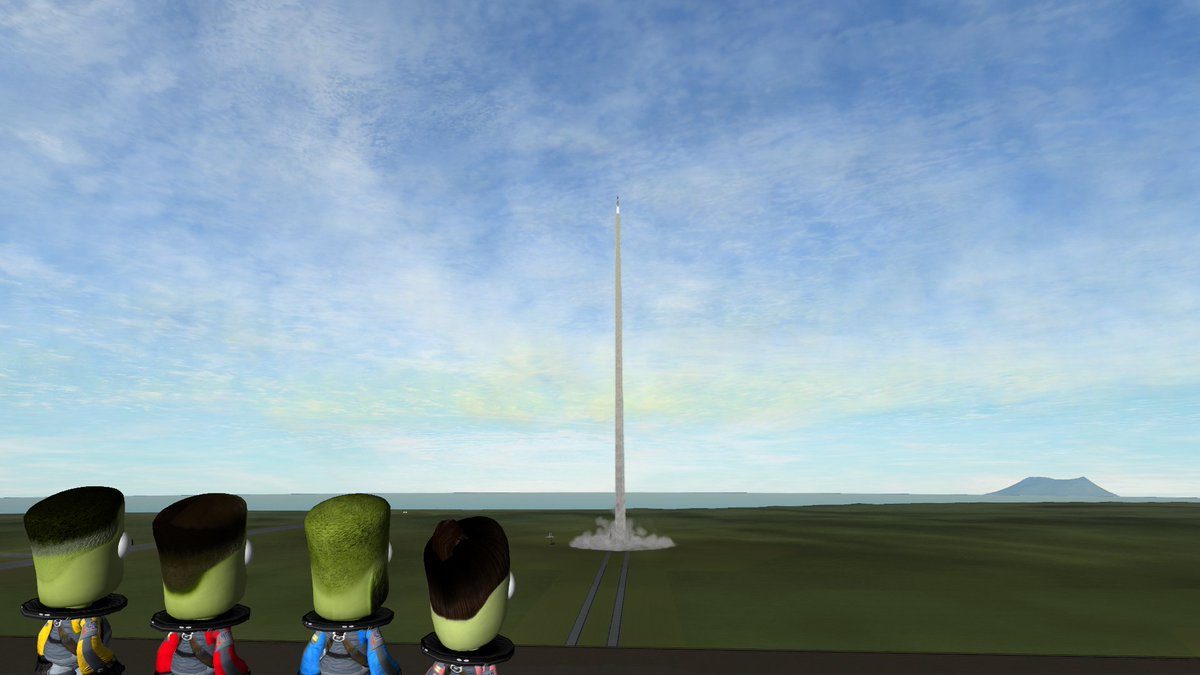
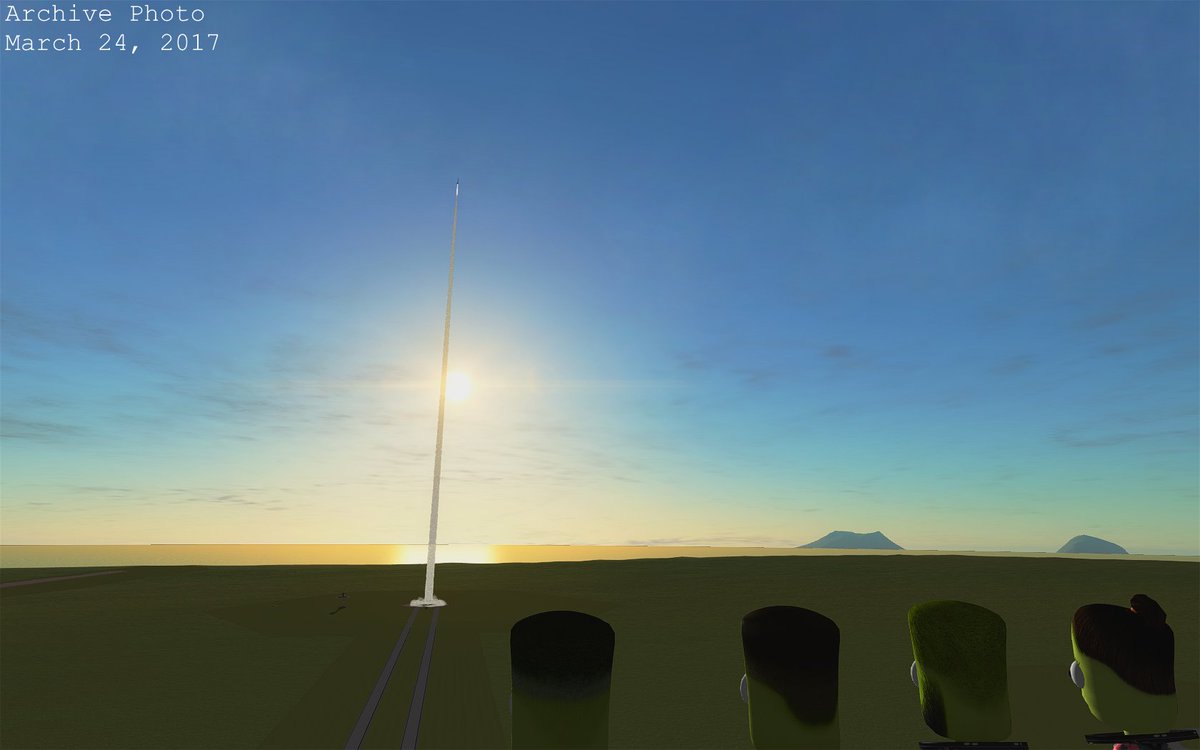
our crew did not miss the launch and are excited to one day ride this rocket up into orbit. Several years ago they didn’t know for sure if they’d even get to take a ride up into space yet! The final frontier is broadening bit by bit…
🔄 0
❤️ 3
Kerbal Space Agency
@KSA_MissionCtrl
@KSA_MissionCtrl
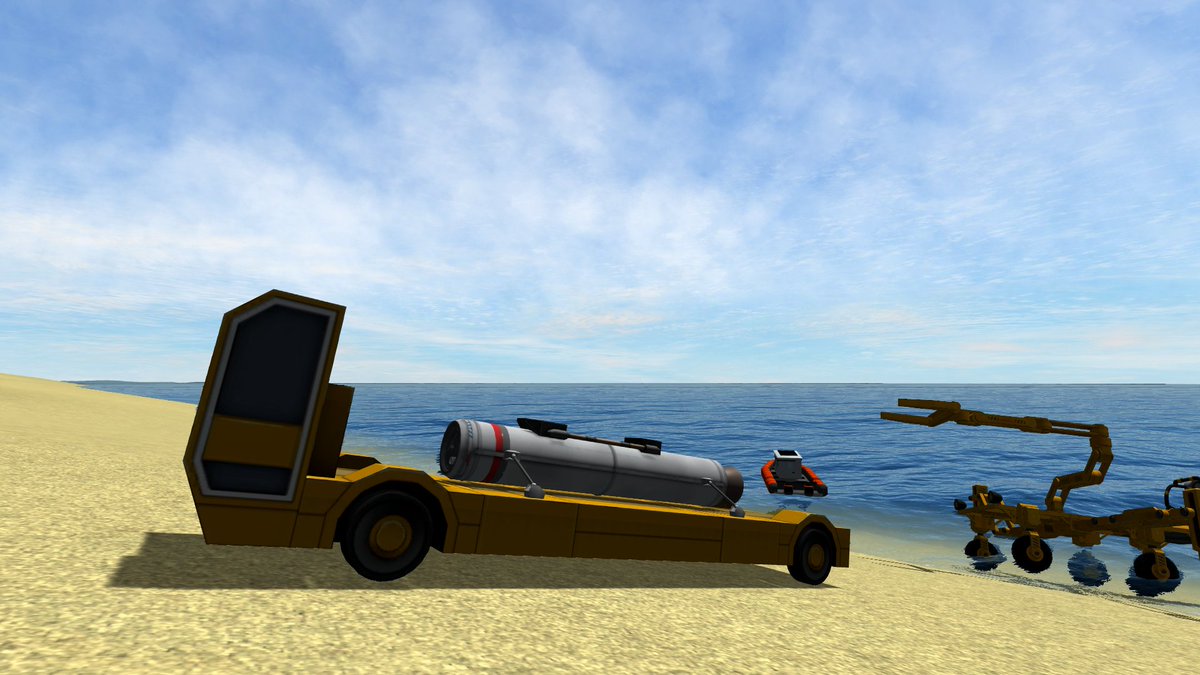
post-launch operations wrapping up with the final booster heading back to the VAB where it will be inspected with the others before being shipped back to Periapsis Co. in Umbarg for refurbishment. Rocket should be back at KSC by Tuesday
🔄 0
❤️ 2