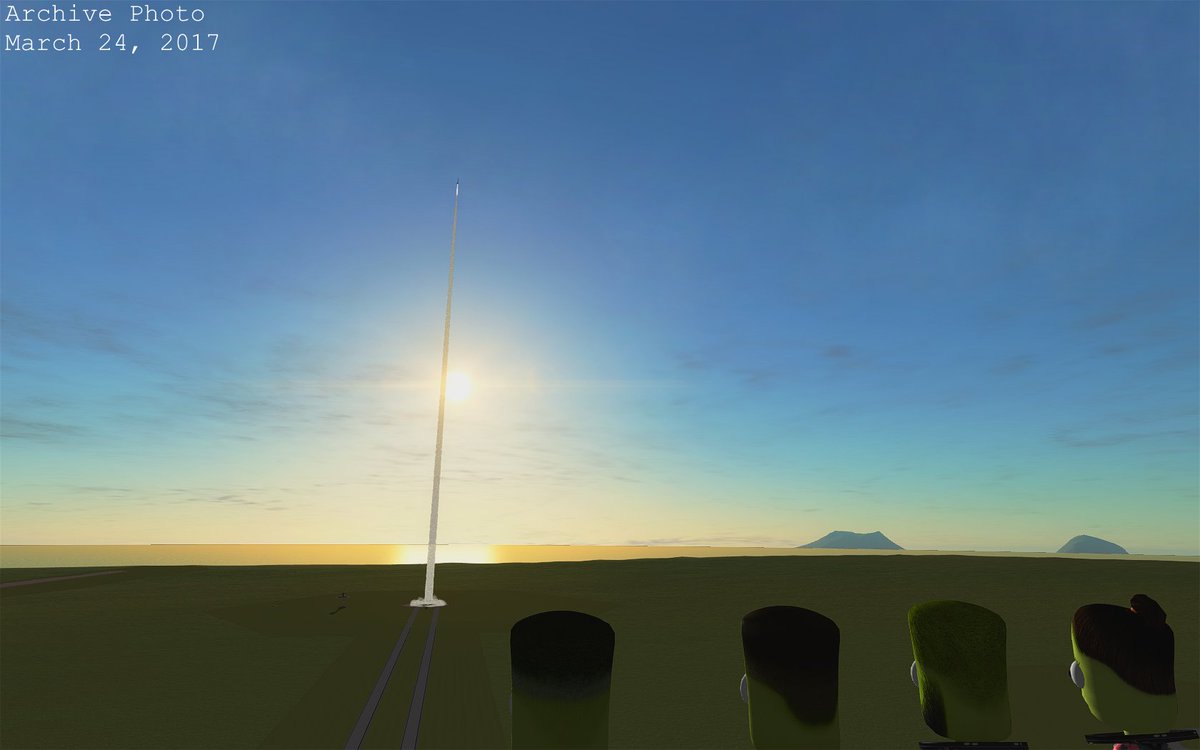
 Overall, yesterday’s flight was a success in that we managed to launch the Mk5 into space without any major issues. The fact that the rocket was built almost exactly the same as the previously-successful Mk4 gave us a lot of confidence that there wouldn’t be any problems with stability during the flight, but there was a little bit of worry with regard to the extra girth of the inline probe core. It was placed just above the fins to maintain stability by keeping the wider portions of the rocket closer together. While we did notice a larger precession to the rocket’s spin once the 3rd stage was flying on its own, the spin rate was high enough to keep it pointed prograde during both its coast and its boost phases. Launching at 3° from vertical was another relative unknown, although again we had previous Mk4 data to help ease concerns. The Mk4 launch with a TWR of 4 raised its nose only 1° starting from 5° so we felt safe having only 3° of pitch to play with. Turns out we cut things a bit close as even with calm winds the nose of the Mk5 lifted to 89.4° during its initial ascent from the launch base. This will severely limit launch commit criteria when it comes to wind blowing from the east. Other than these two considerations the flight performance was very similar to that of the Mk4. While there were no major issues, minor ones were uncovered during review of the flight data collected both on the ground and from the recovered payload’s telemetry data unit.
Sep 13 2017
Progeny Mk5 Flight 1 Analysis
Sep 13 2017
1st Birthday Desk Note
 A year? Already?! Well, I can’t imagine a better time to be writing this, already two days into our most ambitious launch campaign yet that is firing off rockets – into space!! If you had asked me a year ago what I would be doing now I could have only dreamed this is what it would be. Of course, it was always the plan to get rockets heading up past the boundaries of the atmosphere within a year but the challenges that we knew we would have to surmount at the time seemed so huge! The fact that we have made it this far in so short an amount of time is testament to the dedication of all the employees here at the Kerbal Space Agency who are dead set on seeing kerbals become an inter-stellar species. We know we are not alone, and we know we have to find the answer to the existence of the Monolith.
But we need to remain grounded (ha!) and focused, working on the basic technologies that will pave the way for future endeavors. We are right now in the process of making a big step, introducing automated control to our rockets. The first flight of the Progeny Mk5 yesterday was not a complete success, however it did an incredible job of moving us closer to a fully-automated rocket flight. I’ll be attending a flight review meeting later today after which we will release full details on what went right and what went wrong. We may have made it to space already, but these are still exciting times. There will always be new boundaries to push for, new frontiers to explore.
Despite all we’ve achieved so far, I don’t think a year is long enough for reflection, so I’d like to continue to look ahead. Our Extremis program is still developing slowly, picking up its pace gradually as the first launch window approaches late next year. Lots of R&D work is in progress and we still expect to hear from our astrodynamics team later this month on whether they have worked out new trajectories or will be sticking with our original windows & flybys. There hasn’t been anything announced yet but rest assured we are working on design specs for orbital engines that will soon be released for contractors to begin designing & bidding. Currently we plan to achieve orbital flight in the first or second quarter of next year and the orbital engine specs will depend on what type of escape trajectories our Extremis probes will require. As eager as all of our astronauts are in getting up into space, they are certainly not eager to die. In order to ensure their safety as much as possible we will be slowly and carefully working our way towards kerbed spaceflight sometime in 2019.
Finally I would like to thank all members of the public reading this right now, because the fact that you are shows you have a vested interest in the KSA, and your support is valuable to us. Please continue to interact and provide feedback as we go about our operations. Enjoy these following four launches over the next week and a half, I know I will 🙂 Here’s to another exciting year!
– Drew Kerman
Founder & Operations Director
Sep 13 2017
Low-Altitude Science Survey 21
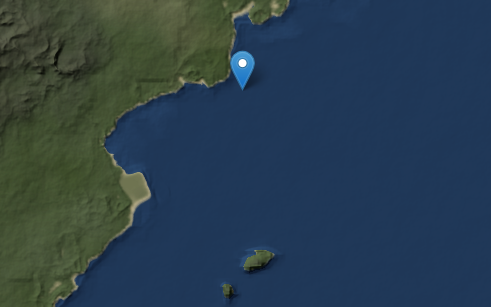
 Specialist Bob goes 33km out to sea to launch in Area H-MJW and collect temperature data for Rokea. high winds from the north keep the balloon out to sea after launching close to land
Sep 12 2017
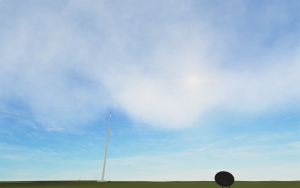
Progeny Mk5 Flight 1
The Mk5 makes its maiden flight into space, sticking mainly to tried-and-true ascent procedures from the Mk4 while focusing on testing out new control and logging software onboard its automated computer core
Sep 11 2017
Civvie Science Flight 22
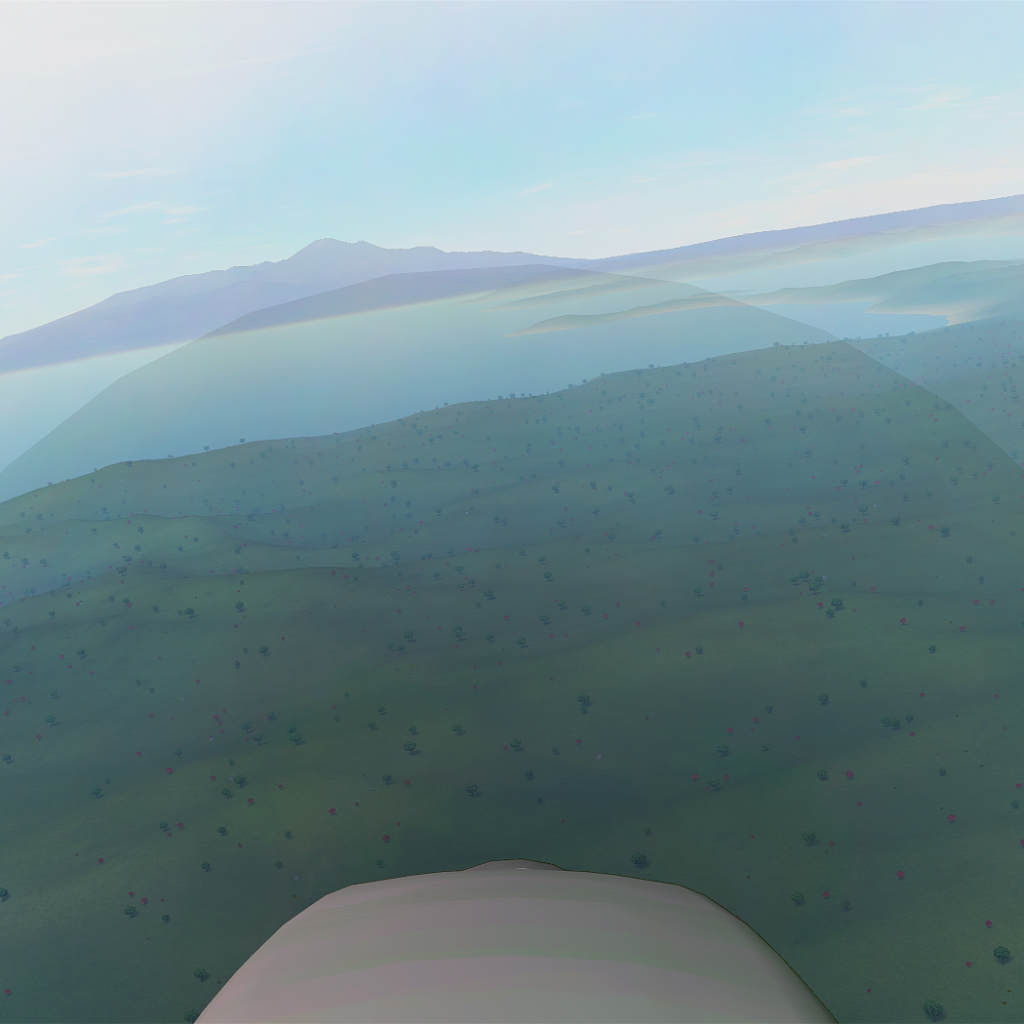
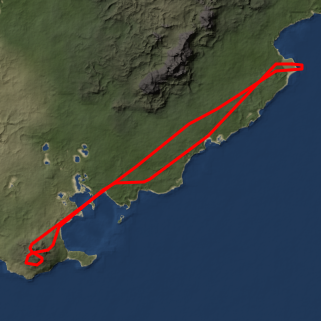
 Captain Jebediah heads south in a Civvie to perform aerial observation of Zone J-7438 for Kerbal Aircraft Expansioneers Ltd, working with researchers hoping to study this extinct volcano
 |
 |
Sep 07 2017
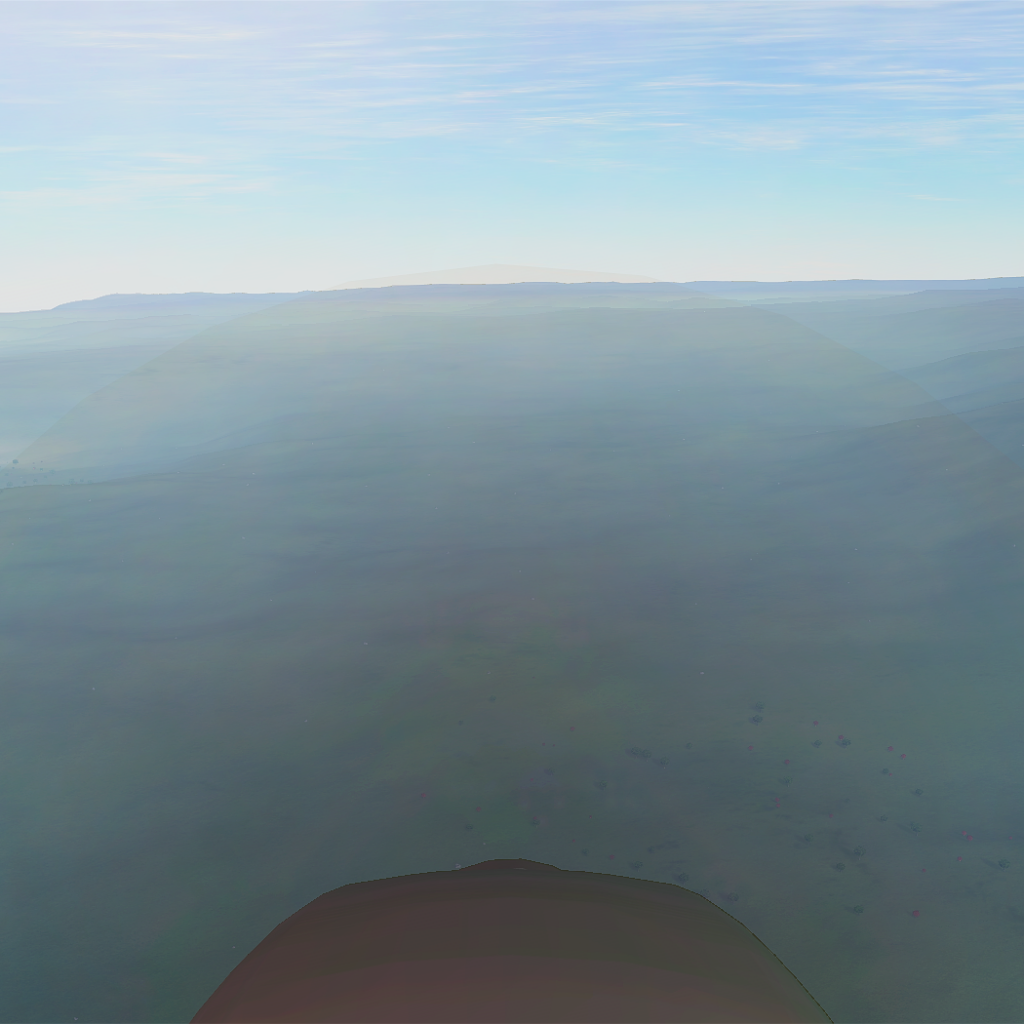
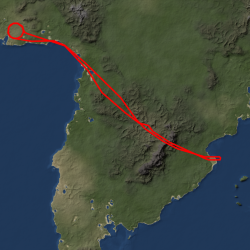
Civvie Science Flight 21
Commander Valentina overflies Sector 89-L & Sector 22-Q to gather aerial observations for L-Tech Scientific Industries & Bloeting Aerospace, stretching the Civvie’s legs a bit in the process
 |
 |
Sep 06 2017
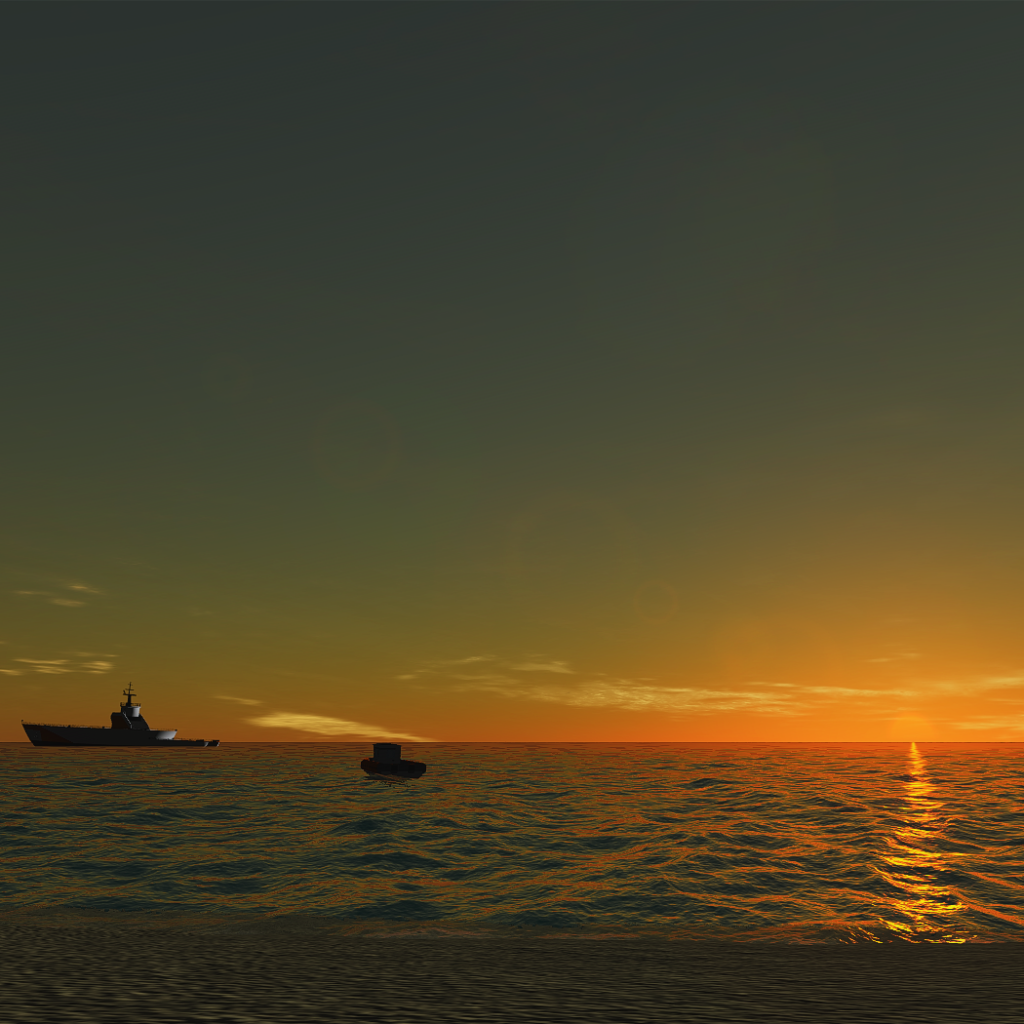
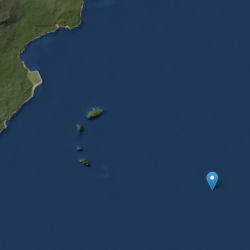
High-Altitude Science Survey 29
Specialist  Bob is out to sea to gather temperature data for Probodobodyne Inc over Area HX-HD after first recovering a payload launched from land that drifted out over the water
 |
 |
Sep 05 2017
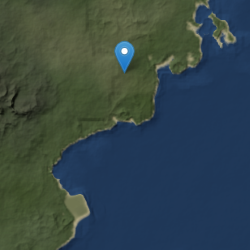
Low-Altitude Science Survey 20
Specialists Bill & Bob, one by land & one by sea, head for Zone 83H-2K to gather temperature readings for Umbra Space Industries. One or the other will collect the payload depending where it lands
|
 |
KSA Main Image Gallery

Updates from Mission Control
@KSA_MissionCtrl
@KSA_MissionCtrl
@KSA_MissionCtrl
@KSA_MissionCtrl

@KSA_MissionCtrl

@KSA_MissionCtrl
@KSA_MissionCtrl
@KSA_MissionCtrl
@KSA_MissionCtrl
(previous record)
Heaviest Rocket Launched, Minus Payload: 19.862t (17.5t)
Heaviest Payload Launched, Orbital Trajectory: 1.662t (767kg)
Tallest Rocket Launched: 16.782m (16.212m)
@KSA_MissionCtrl
@KSA_MissionCtrl
@KSA_MissionCtrl

@KSA_MissionCtrl
@KSA_MissionCtrl
@KSA_MissionCtrl
@KSA_MissionCtrl
@KSA_MissionCtrl