Jan 20 2017

New High-Altitude KerBalloon Enters Service

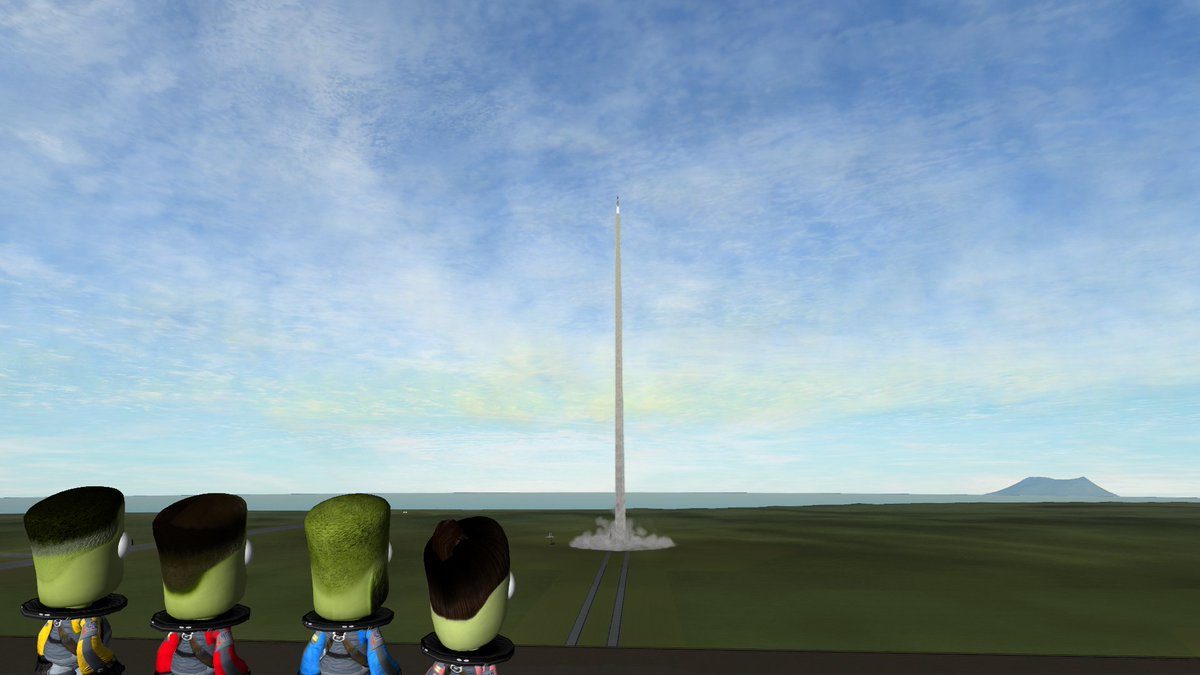
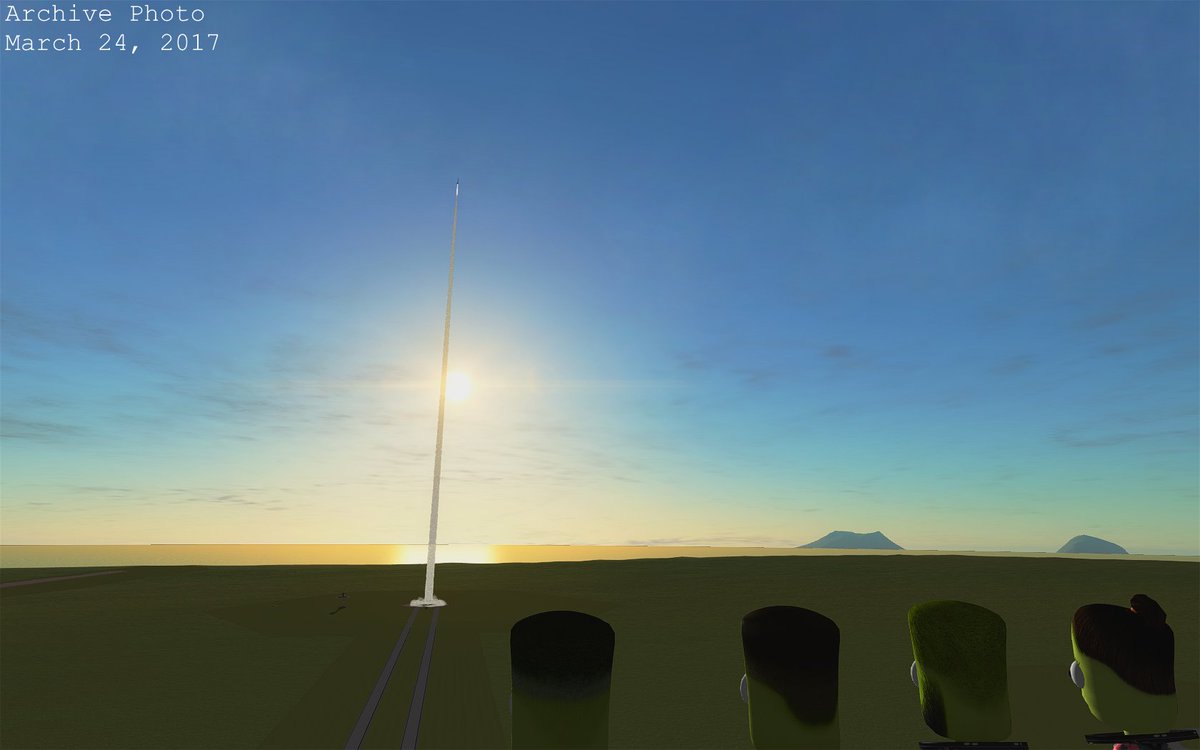
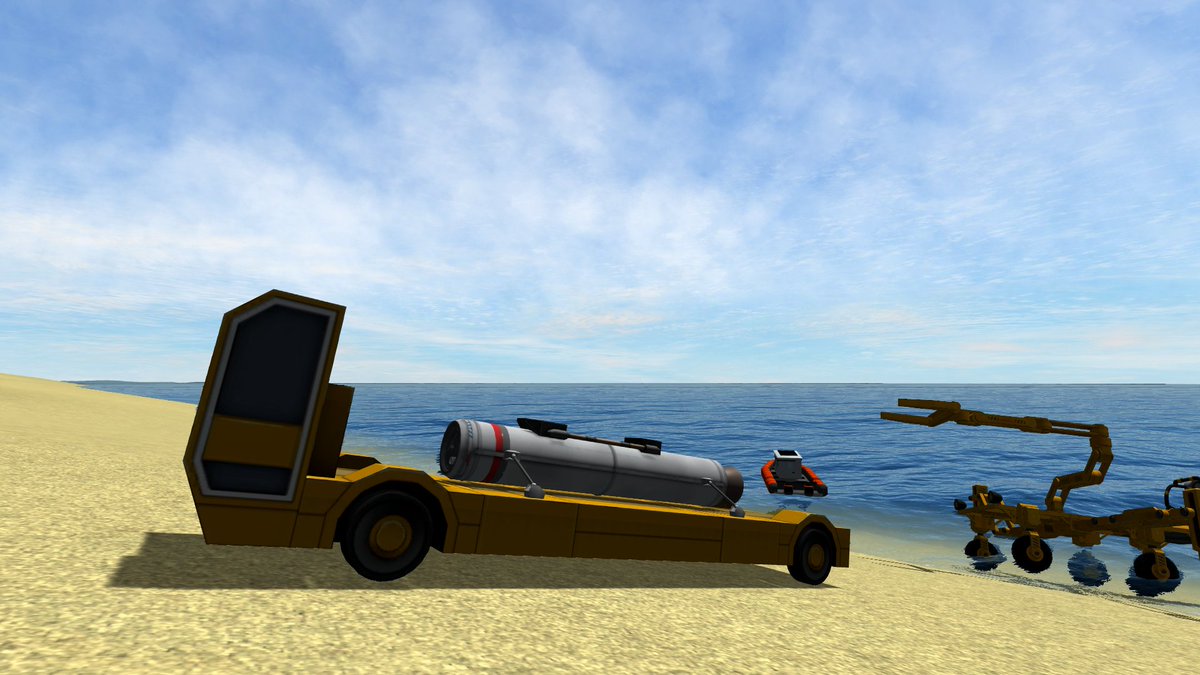
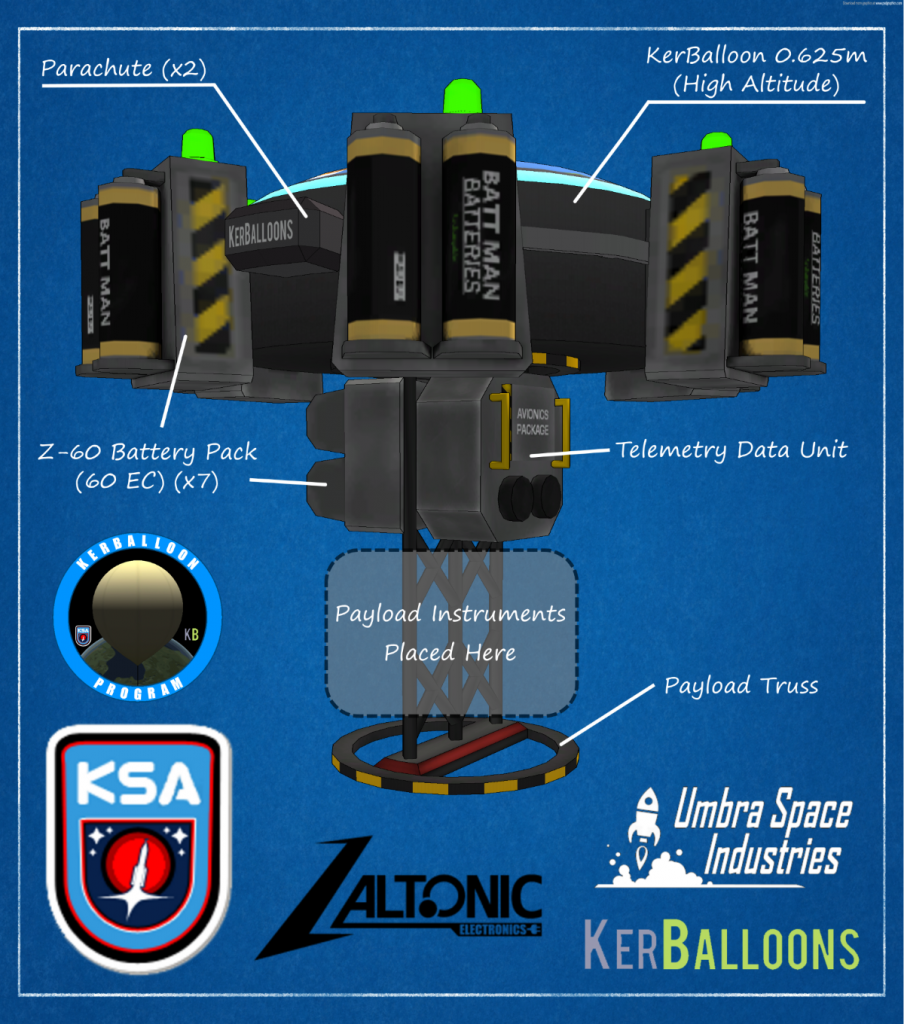
Today at 18:21 UTC we will be launching our first probe into the upper atmosphere (which starts at 18km)  using one of the new high-altitude KerBalloons that arrived recently and has since been integrated with a probe unit carrying a scientific payload and two cameras, one angled down from the side at 15° and another pointing straight down from the bottom. The timing of the launch will bring the probe to its maximum predicted altitude of just under 25km at the time of sunset at ground level for KSC. Similar to the last flight that carried cameras, we expect these photos to be just as awesome, even more so given that this will the highest vantage point over Kerbin we have ever seen, nearly halfway to space.

Scientists and engineers alike are excited to see how this new KerBalloon performs and we will be using our initial shipment of three units to see if there are any problems that need to be addressed before ordering additional units. One of the main things that will be tested are the new parachutes that can be attached to the outside rim of the balloon casing, manufactured by KerBalloon expressly for their balloon parts. Not having to re-purpose a Progeny nose cone will make things less complicated when it comes to integrating KerBalloons and Progeny rockets at the same time.

Further details on this new KerBalloon probe can be found on the blueprint below, and all high-altitude flights will be recorded in the program page.
Jan 19 2017

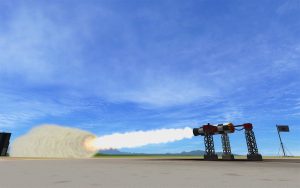
Mk3 Booster Static Fire

The large lower stage of the Progeny Mk3 is lit off for the first time to see if it lives up to its performance specifications & doesn’t explode in the process

View full tweet timeline »

Jan 18 2017

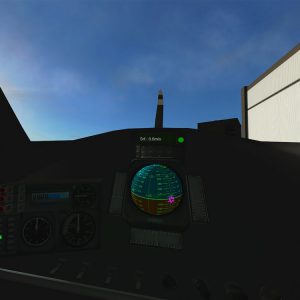
Civvie Science Flight 3

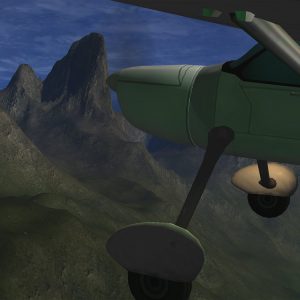
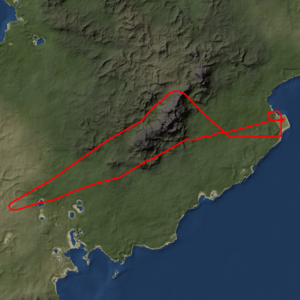
Commander Valentina will perform low-altitude aerial observations, this time over Kerman’s Recklessness for CTC Exploration as well as take on a contract from the KerBalloon Program

View full tweet timeline »

Jan 17 2017

Low-Altitude Science Survey 9

Measure the temperature in flight below 17,800 meters near Site ZT-8 for Aerojet Kerbodyne. Unfortunately disaster struck en-route to the launch site

View full tweet timeline »

Jan 17 2017

Crews Injured/Killed in KerBalloon Mission Disaster

It is with heavy hearts that we report the death of KerBalloon launch crew member Thomeny Kerman, who was crushed inside his rover when it was caught up in a landslide en-route to a launch site. Also involved were astronaut Bob Kerman, who suffered serious injuries in the same rover, and two additional launch crew whose rover was also caught up in the slide but not damaged as severely. A nearby airship run by Luftkor Charters received their distress signal and re-routed to assist in evacuating the injured crew back to the KSC medical center. Both Bob and Thomeny arrived to KSC alive although Thomeny passed away shortly after beginning operations to curtail his injuries. Bob was also put on the operating table to stop internal bleeding and seal up a gaping side wound caused by the rover door collapsing inwards and piercing his skin. He also has a broken leg and shoulder, both on the left side. Doctors remain concerned about his internal injuries but he is listed as being in stable condition for the time being. The other two crew members in the second rover were released from the medical center with minor injuries.

We were able to debrief the remaining rover crews, including Bill, to learn what happened. Accounts say that the rovers were navigating a ridge line when the north-facing slope gave way, taking a significant portion of the ridge with it. Estimates of the slide length is about 600-800 meters and it contained many massive boulders which broke loose late in the event after the rovers caught in the slide had already progressed partway down the slope. The boulders crushed both rovers to various degrees, leaving them battered but not buried when they finally came to rest.

One rover appears to be completely totaled, and whether we can rebuild the second one remains questionable. We also lost both the KerBalloon unit and the parachute nose cone, but thankfully the payload in the third unaffected rover remains intact. We’ll be planning a salvage operation to recover the rovers, and Bob will remain in the Intensive Care Unit until doctors are positive his internal injuries are healing properly.

You can read the full mission report here, although updates over the next day or so are to be expected.

Jan 14 2017

Astronomer’s Meeny Predictions Proven Wrong

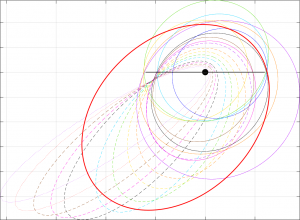
All of Meeny’s predicted orbits and its current one (thick red line)

Yesterday astronomers finally were able to get a good look at Meeny after it had passed through Mun’s SOI for the 4th time after three rapid interceptions occurred within the span of 7 days. While they had predicted that Meeny would intercept Mun twice before completing a single orbit, which it did, the outcome of that and the following intercept have turned out to be way off from what was predicted. The figure included on the right shows all the orbits plotted for Meeny up to the point where it was expected to slam into Kerbin. The thick red line is its current orbit and it covers none of the predicted orbits to any degree. Although the plane at which the orbit rests is similar to predictions, the shape of the ellipse shows a far greater eccentricity than expected.

Right now astronomers are still working through their original calculations to determine if there were any mistakes made to account for things coming out so wrong in relation to actual events. Should everything appear to be fine with those, their next guess would be that the data they have on Mun which they were using to predict how Meeny would tumble through its SOI is not accurate enough. This would not be surprising, since Munar measurements from Kerbin do not carry much precision, and we would need satellites in orbit to really get a better idea of all the nuances of Mun’s gravity field. Still, astronomers are surprised their predictions could turn out so wrong so fast – they were expecting things to maybe break down in a few years, not a few weeks.

For now, everyone is taking Meeny’s approaches to Mun one at a time, and we’ll see where it ends up. If astronomers try their hands at a new prediction later down the road, we’ll be sure to let you all know.

Jan 09 2017

Civvie Production Model Revealed

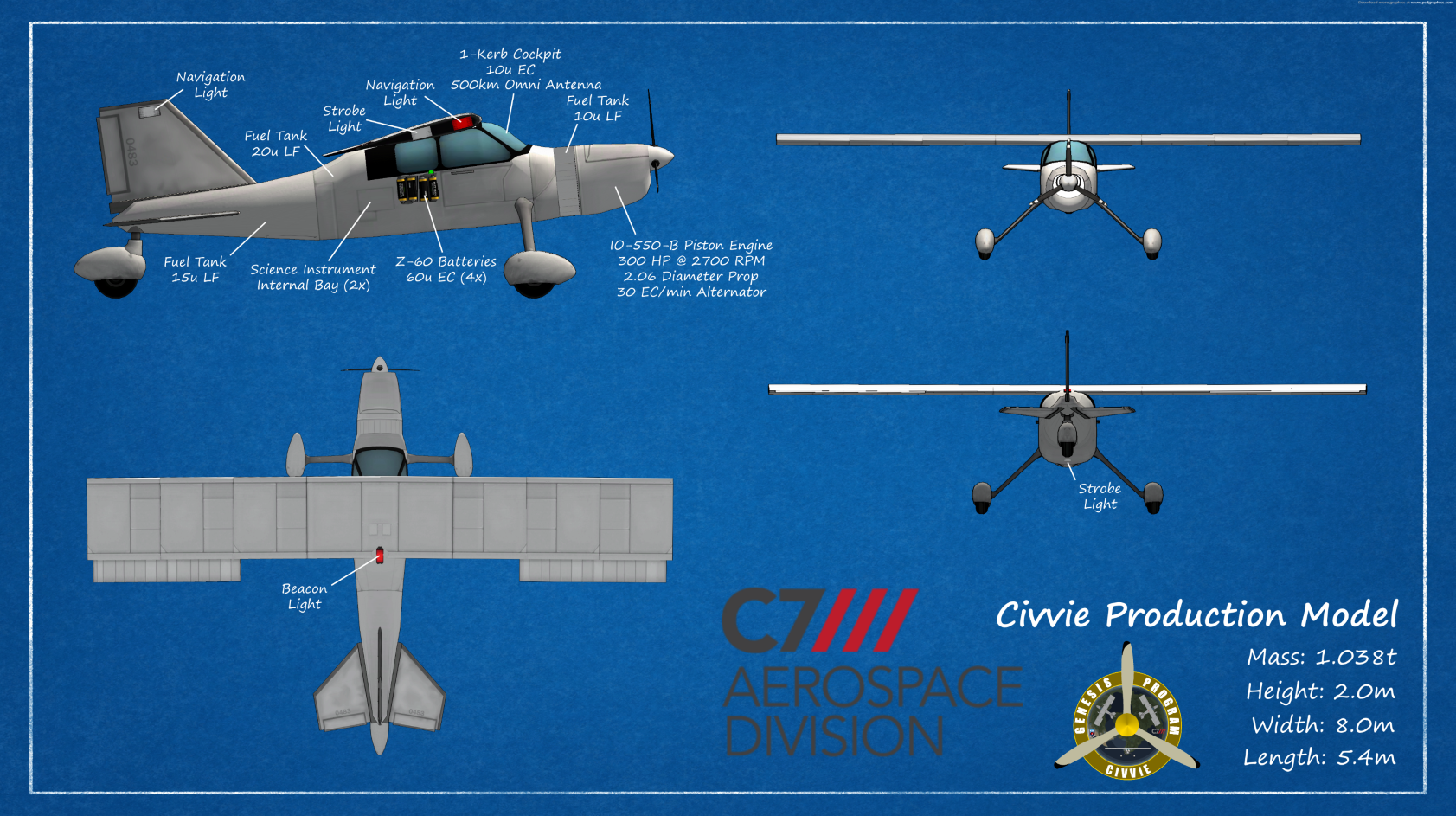
With the arrival of parts for assembly after a few days delay due to weather, C7 Aerospace has handed us the blueprints and details for the next addition to the Genesis Program – the Production model of the Civvie single-seat/engine aircraft. The Prototype model that has been flying the last several months was constructed to extremely high crash tolerances that added a lot of extra bulk to the aircraft in addition to having to make room above the cockpit for the recovery parachute. With these requirements removed, the Production model is able to move the wings in slightly for better stability and lighten the airframe for better performance. These changes caused the aircraft to become nose-heavy, so extra fuel tanks were added in the tail and behind the engine to increase the length of the aircraft and move the center of mass back behind the center of lift. The extra fuel will increase the Civvie’s range significantly as well. Despite the additional weight of the fuel and tanks, the new Civvie weighs in at 0.305t lighter.

Additional improvements include a manually-controlled variable-mixture engine to provide better fuel performance at higher altitudes, although the propeller is still fixed-pitch and non-reversible for easier maintenance. A new electrical system will support 4 Z-60 batteries to be used when transmitting science data, although they will need to be replaced once spent. A beefier engine alternator will supply extra power to a cockpit heating system to keep the pilot comfortable at higher altitudes. Trim tabs have been added to control surfaces to lighten the pilot workload in flight. All navigation lights have been integrated directly into the wings and fuselage for a better streamline. As before, two science bays will be available to carry instruments on flights.

The aircraft will be constructed with the utmost care over the next several weeks for test flights in late February. Everyone is eager to see how she will perform!

Jan 09 2017

Civvie Science Flight 2

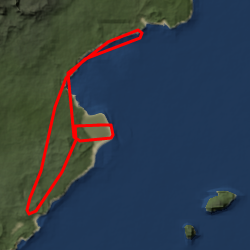
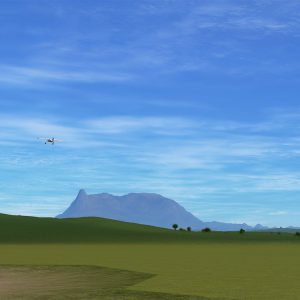
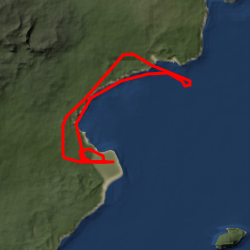
Captain Jebediah fulfills two contracts for low-altitude aerial observations while collecting science data over the highlands and water north of KSC

View full tweet timeline »

Jan 06 2017

Operations Summary – Week of 1/2/17

View post on imgur.com

View operations details »

Jan 04 2017

Civvie Science Flight 1

A flight by Commander Valentina to gather & transmit science from various biomes in the region of KSC as well as fulfill the first contract assigned to the Genesis Program

View full tweet timeline »

Older posts «

» Newer posts