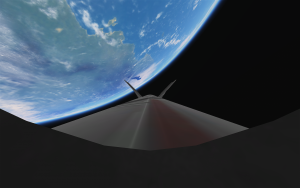
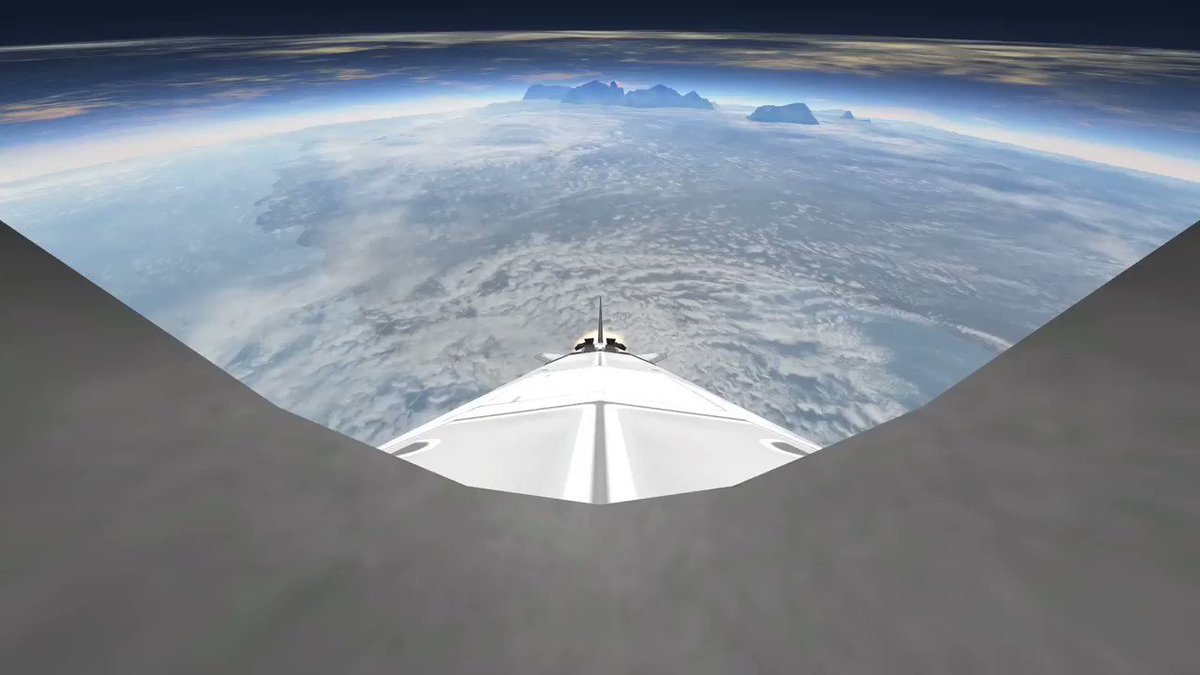
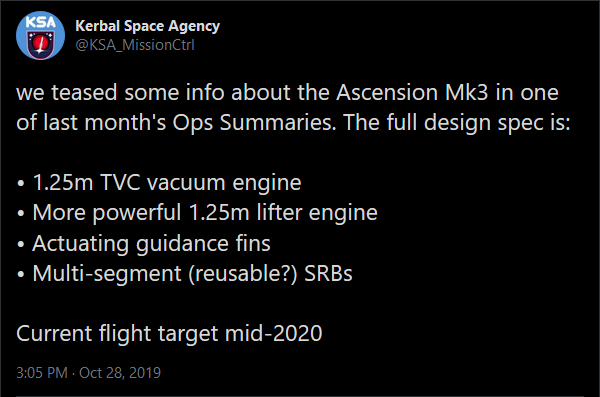
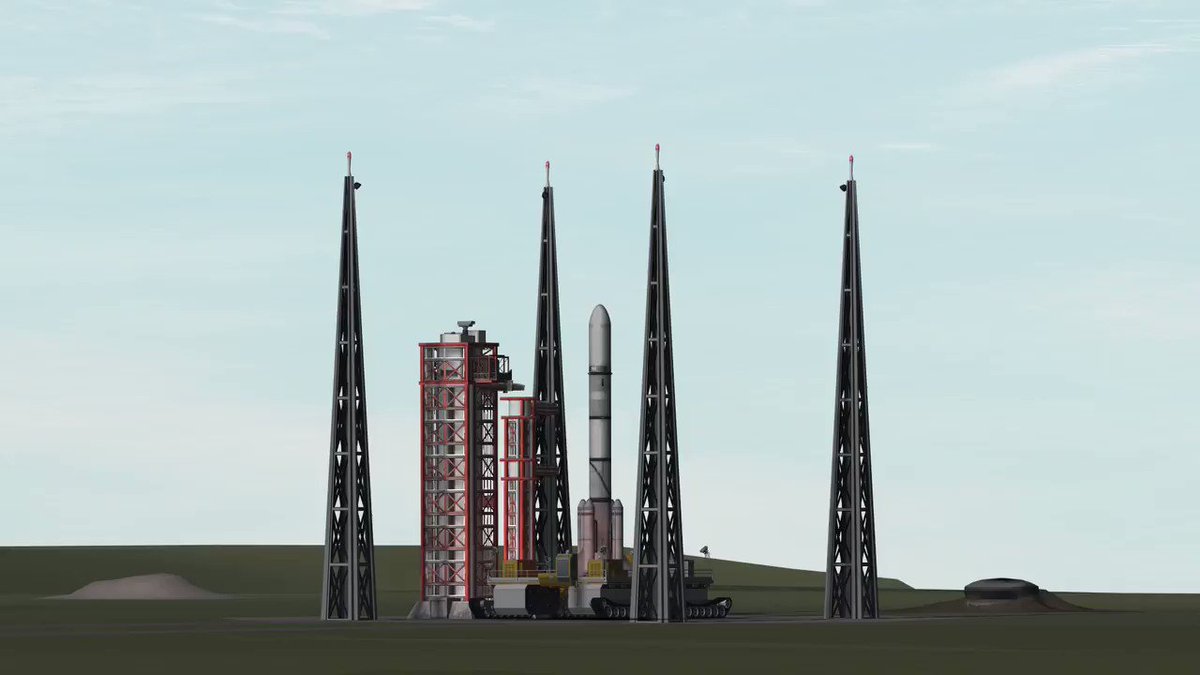
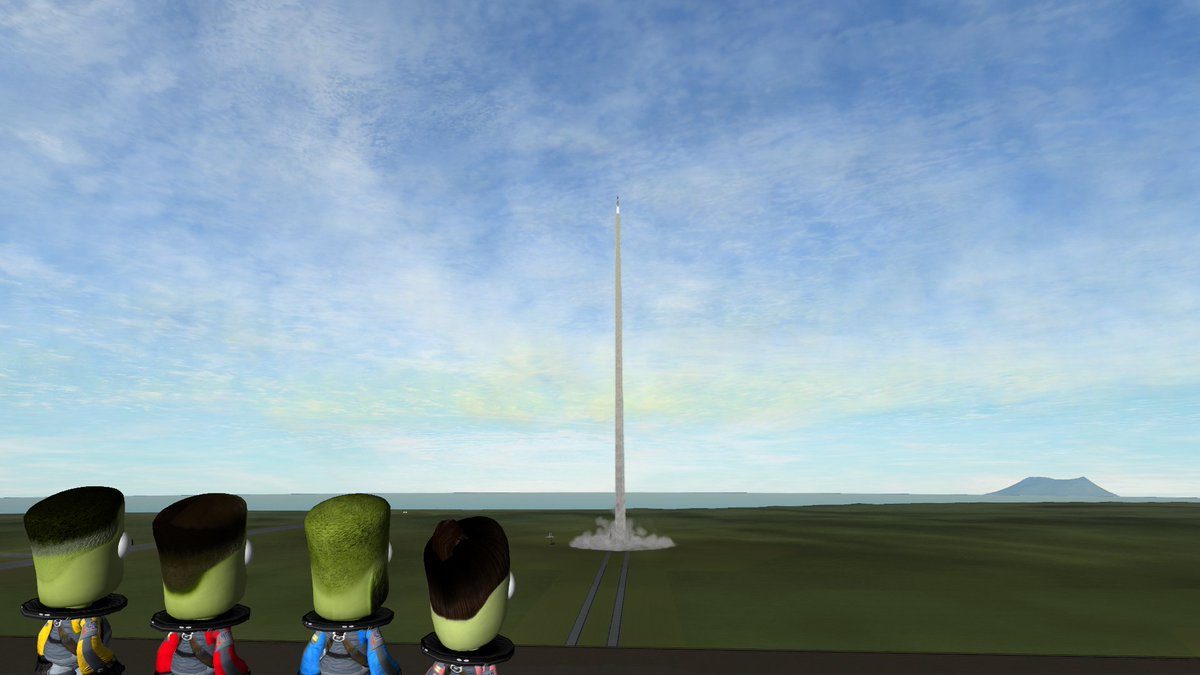
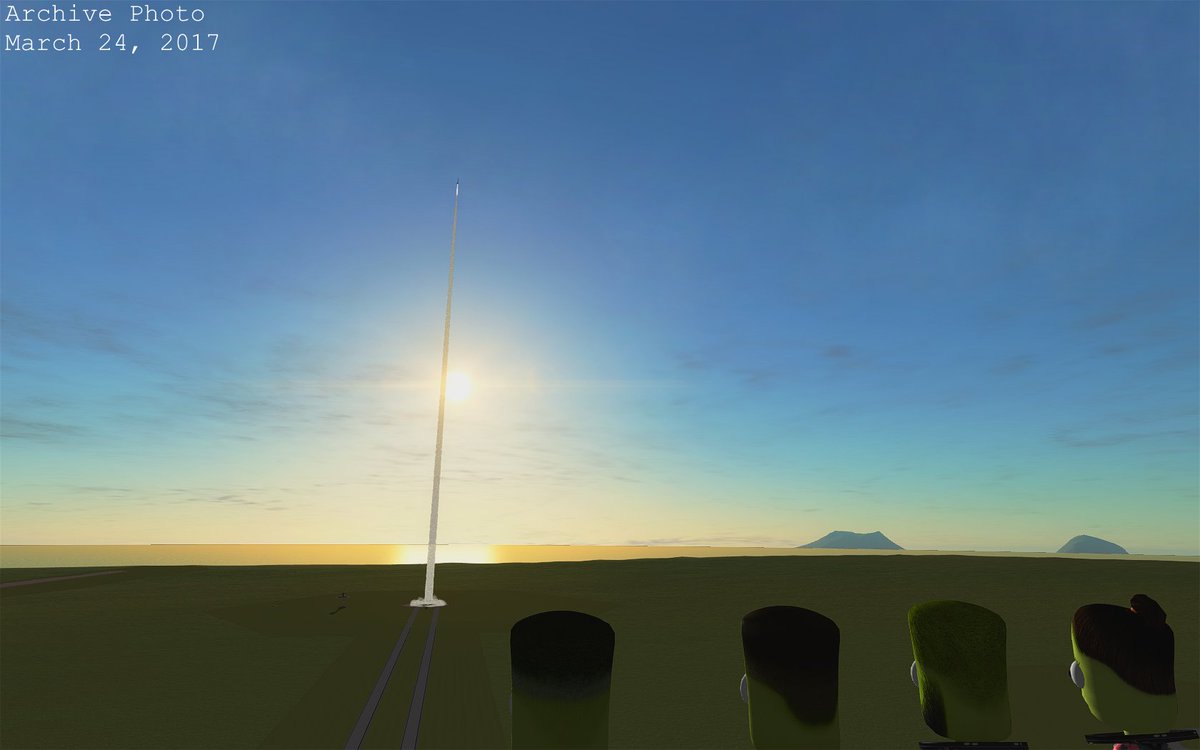
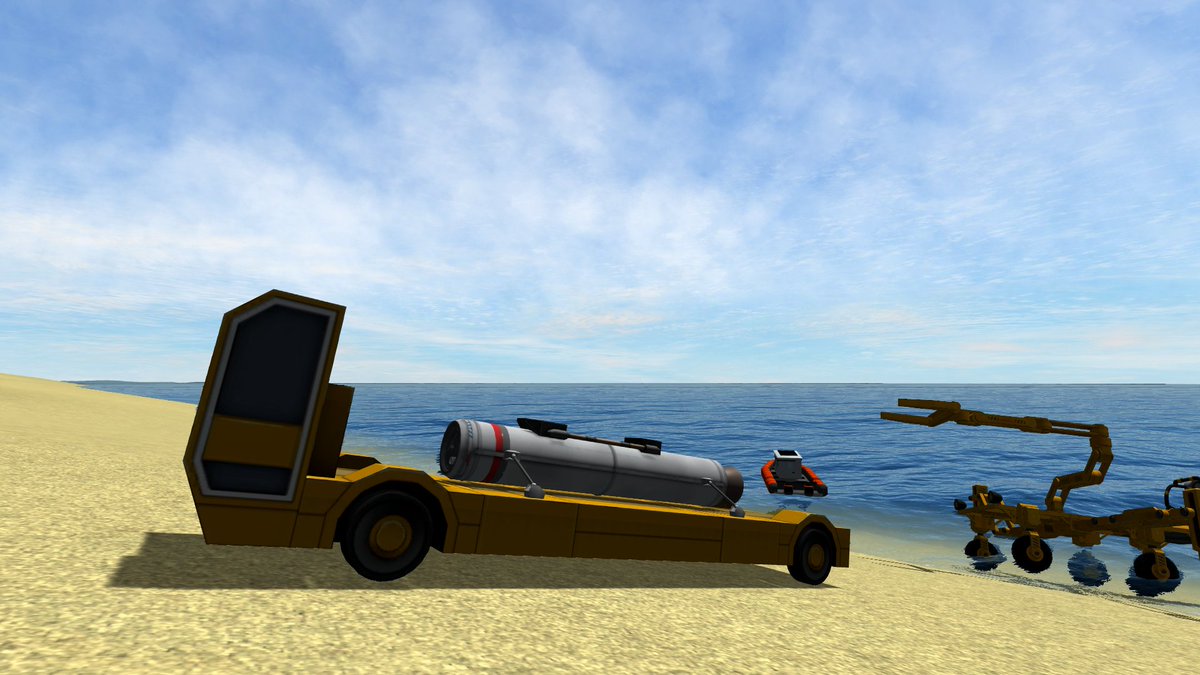
 After failing to achieve orbit on our first flight of the Ascension Mk1 lifter, changes were made so that the second flight covered here in this analysis would have a better chance at becoming the first spacecraft to circle the planet. As with the first mission, the goal was to place the craft in a decaying orbit so it would eventually return to Kerbin without us having to also install any cold gas thrusters or make the engine able to re-ignite and add further complexity. The mission also used a brand-new K2-X engine and a more aggressive ascent profile.
The Flight
Before the rocket even left the ground, once it was vertical and hooked up on the launch pad a 30-second hold-down firing was conducted. This allowed us to ensure the newly-built K2-X was functioning as intended and also enabled the launch team to set much better constraints for engine chamber pressures during ignition and run-up to launch thrust. This was a cause for abort during the first launch attempt when the constraints were set to expected values based on data from testing the engine, which changed enough over multiple tests to become invalid.
The following day brought mostly cloudy skies to the area and caused the weather team to put the countdown on hold at L-15 minutes until skies began to clear from the southwest. Besides the slight weather delay, which lasted about 48 minutes, no issues came up during pre-launch operations. Some minor troubles with the engine system and communications the previous day were resolved during the hold-down test and did not resurface.