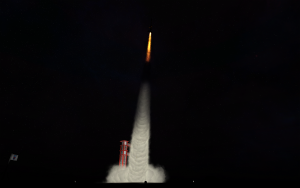
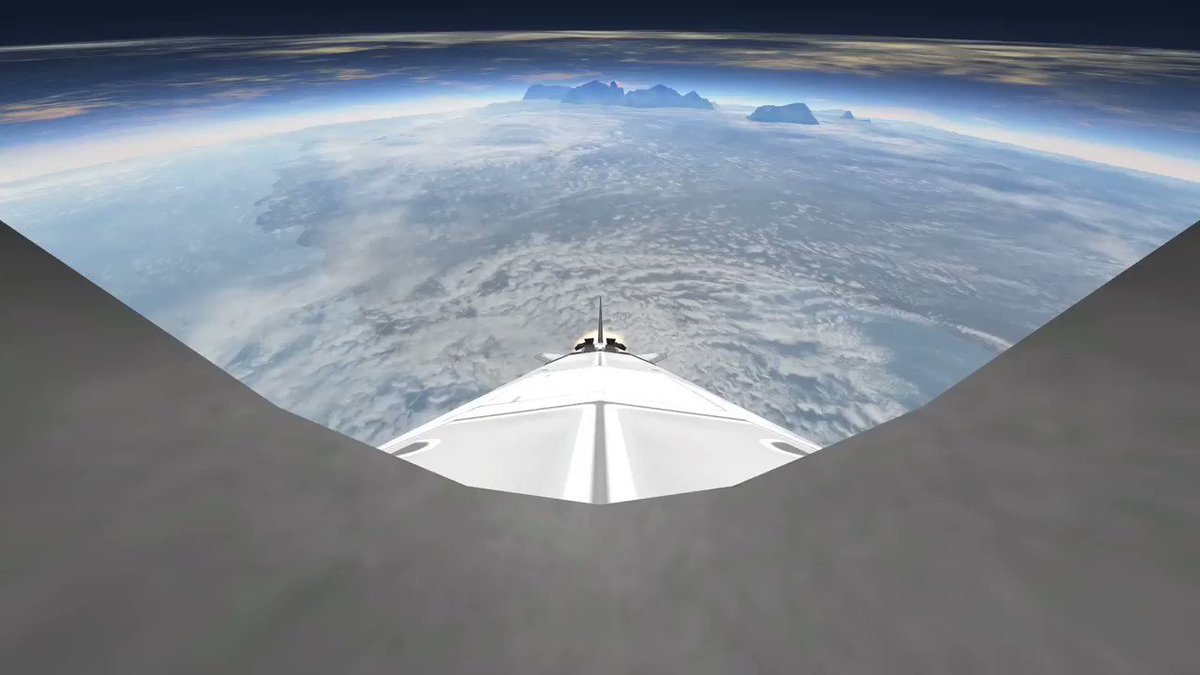
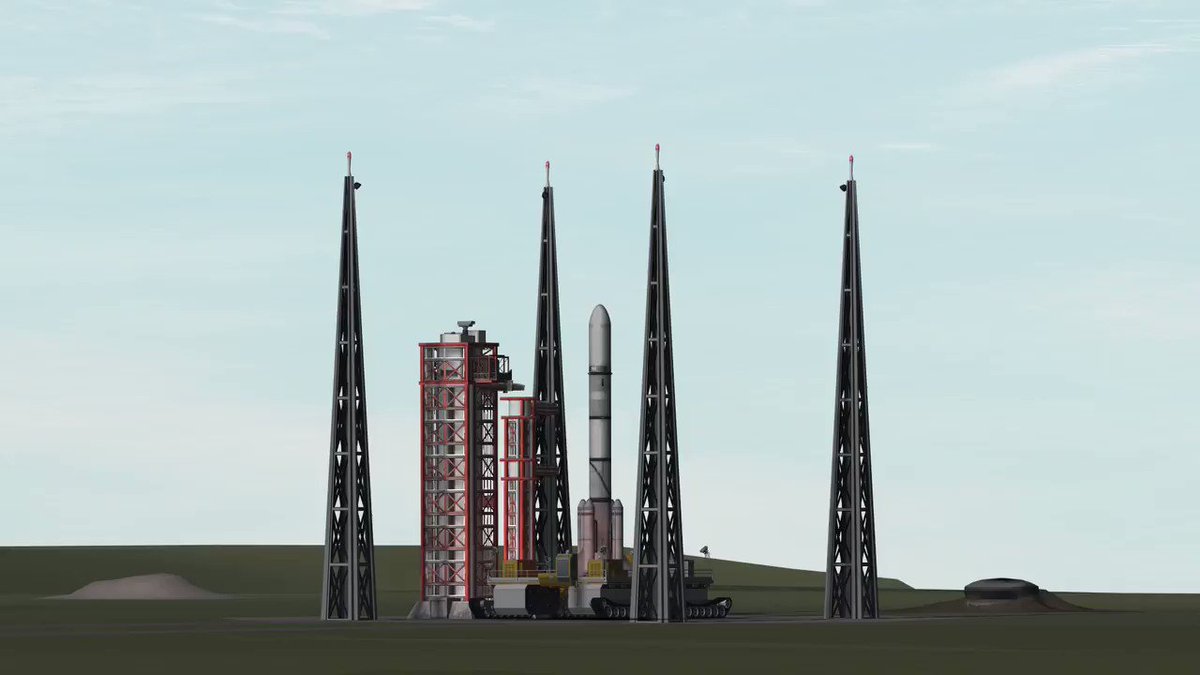
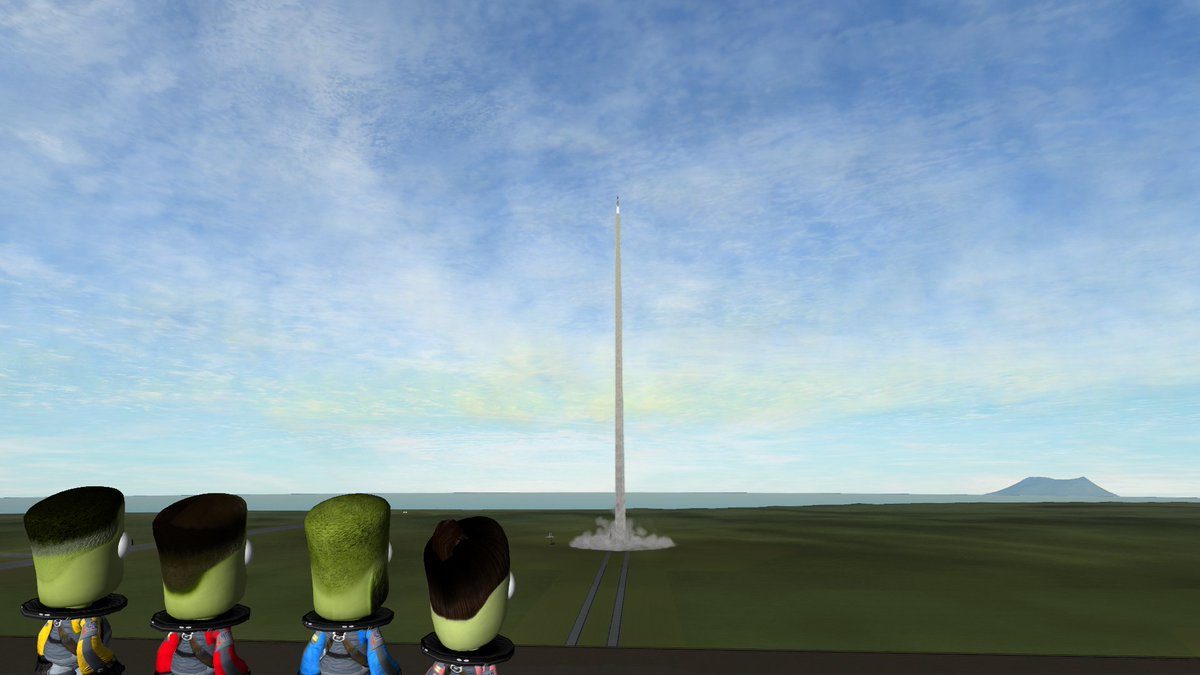
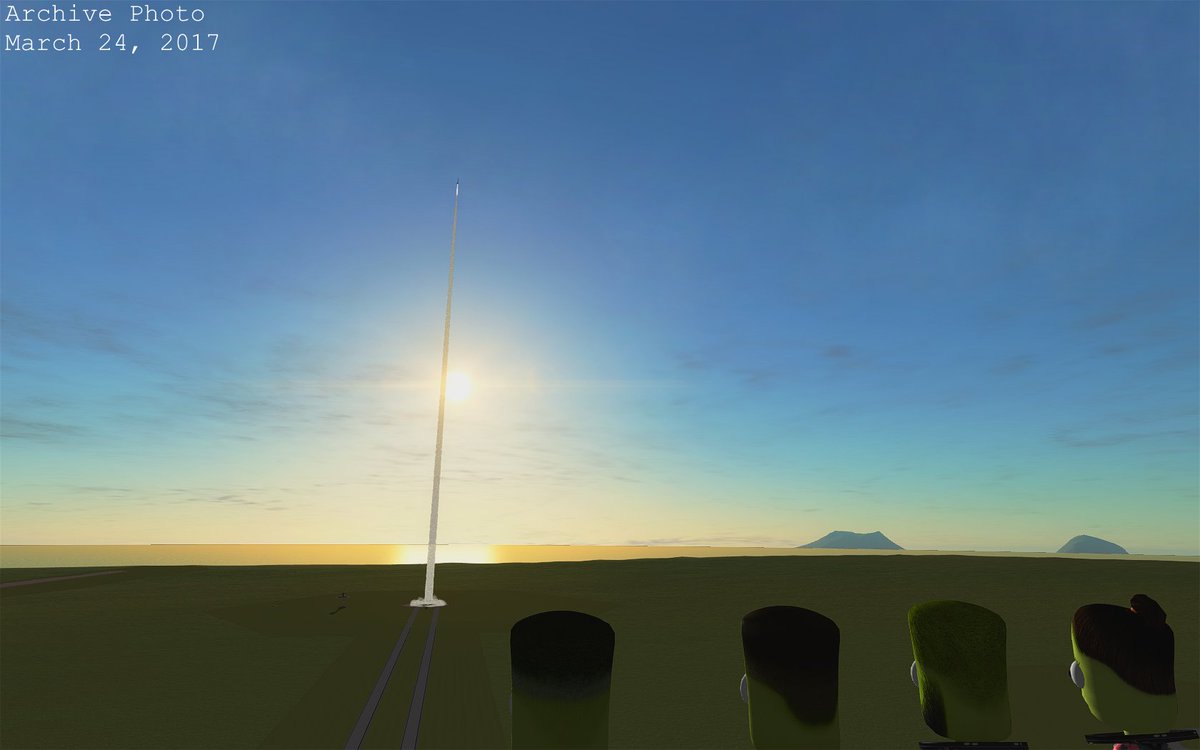
 Another flight was put together to further explore the properties of the hazardous radiation region found above our planet. All previous launches had occurred sometime during the daylight hours while this flight was scheduled to occur during the middle of the night. Scientists had several theories regarding why the radiation data from this sub-orbital trajectory would be different, but we will address them in a later report once they have finished working through the new data as well as the old. Here we will focus solely on the performance of the rocket during the mission.
The Flight
No delays led up to an on time launch last Friday at precisely 16:51:00.04 local time when the lower 0.625m solid fuel booster lit off to push the rocket off the launch base. Ascent through to booster engine cutoff for the third stage liquid fuel engine was nominal compared to past launches, showing no significant deviation from event times or in the rocket’s angle of attack while spinning to stay stabilized. The rocket entered space 1m28s after launch, just 10ms after BECO. It maintained proper orientation throughout the 9 minute climb to 522.368km apokee and all the way back down to atmospheric interface at L+19m56s.