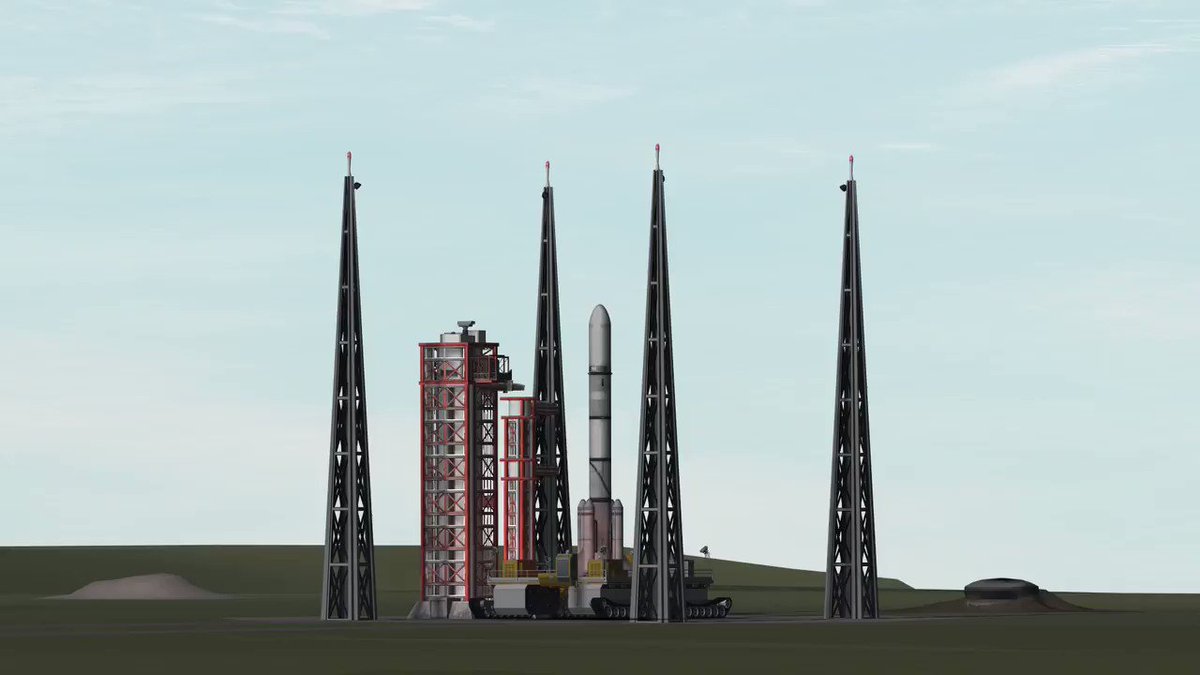
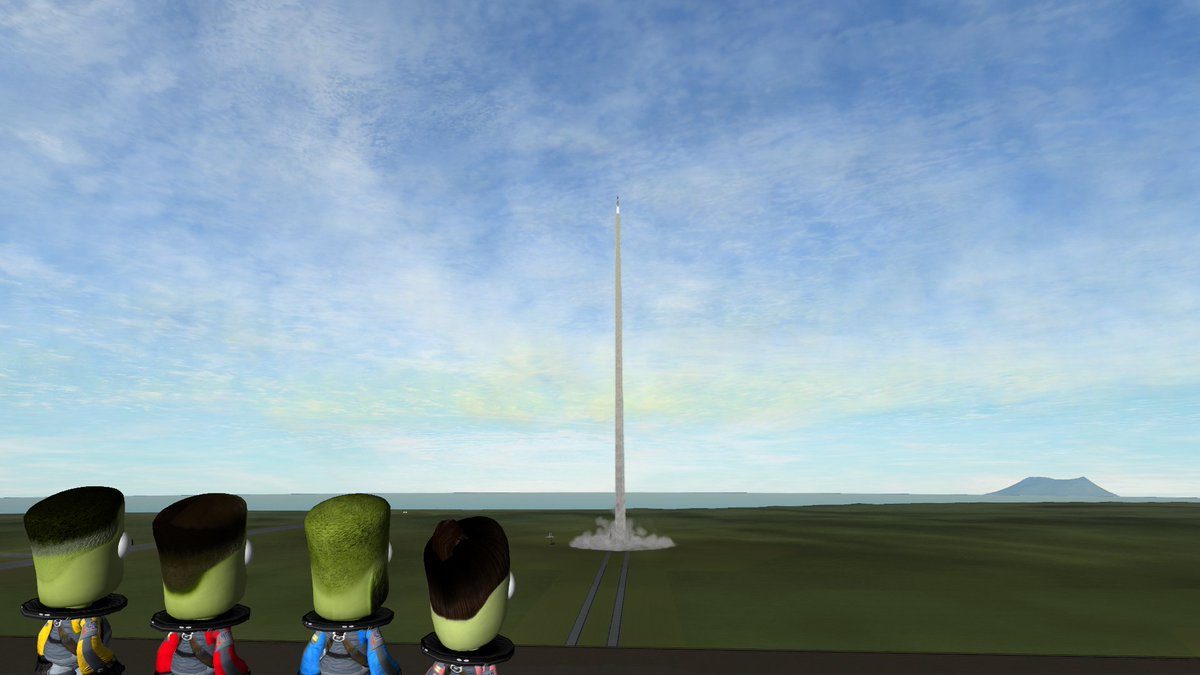
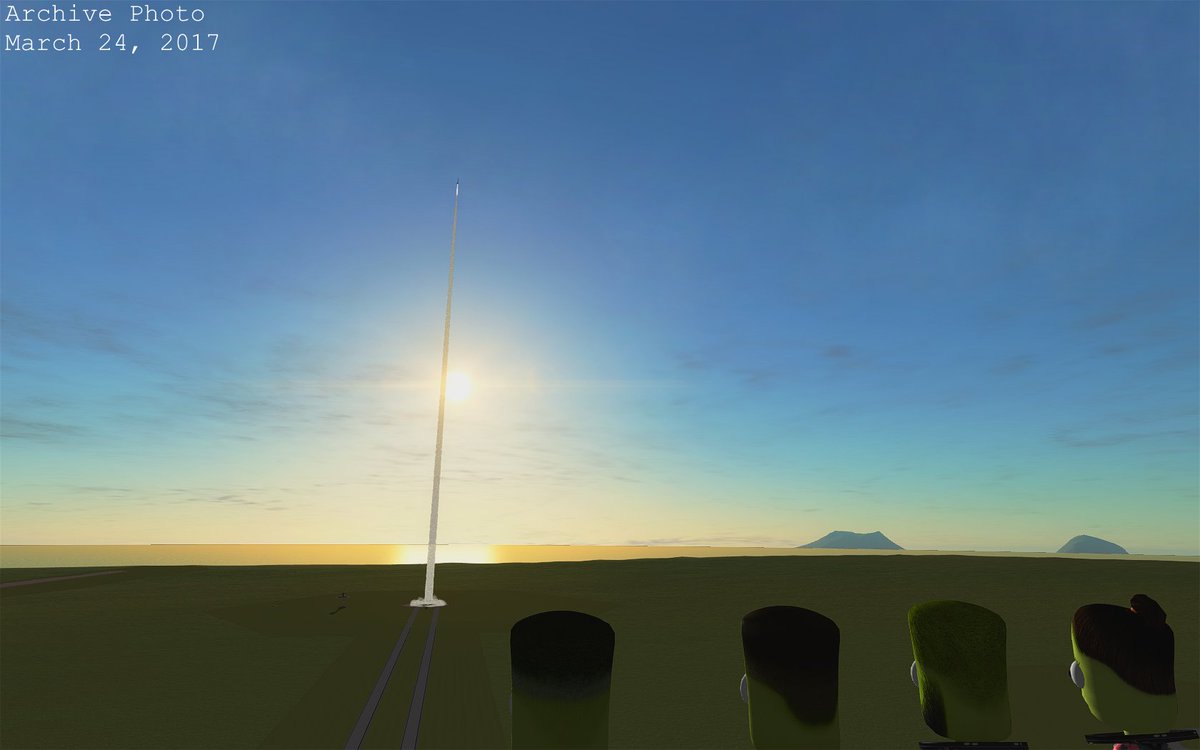
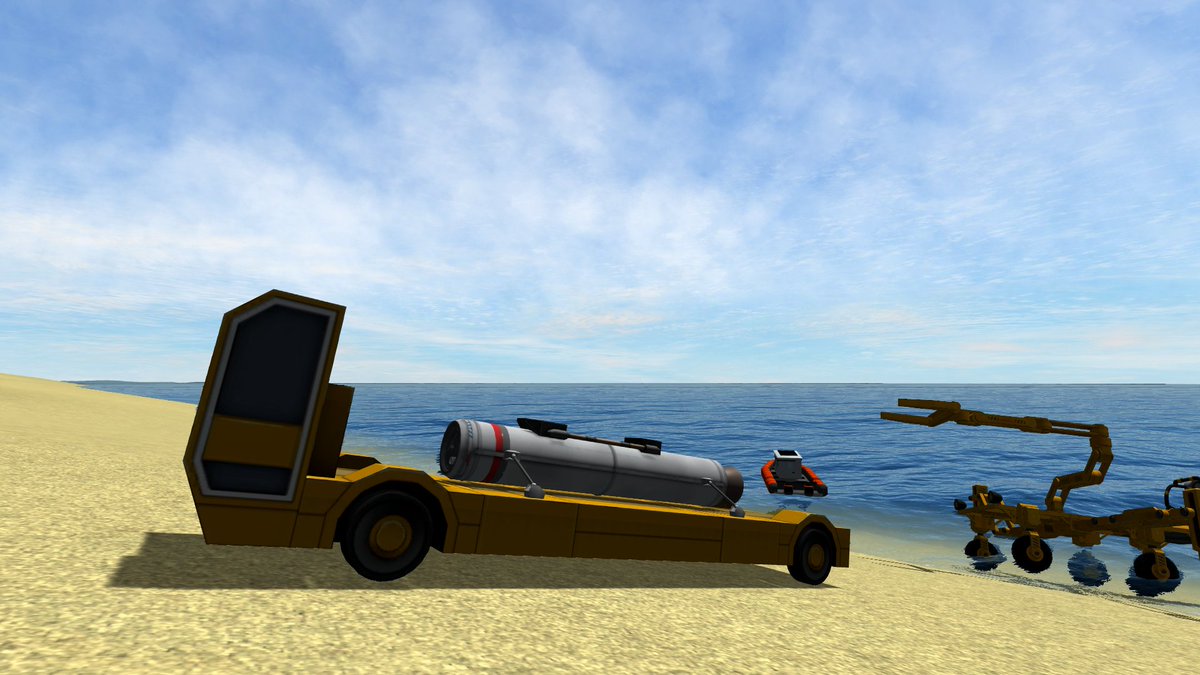
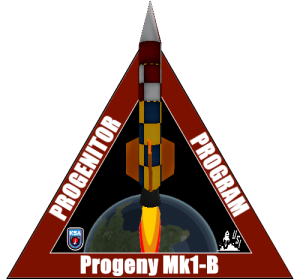
 More spin stabilization testing is done at the request of engineers yearning for additional data
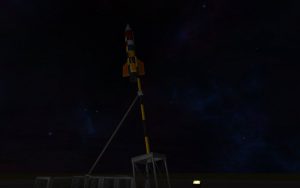



Oct 12 2016
Oct 11 2016
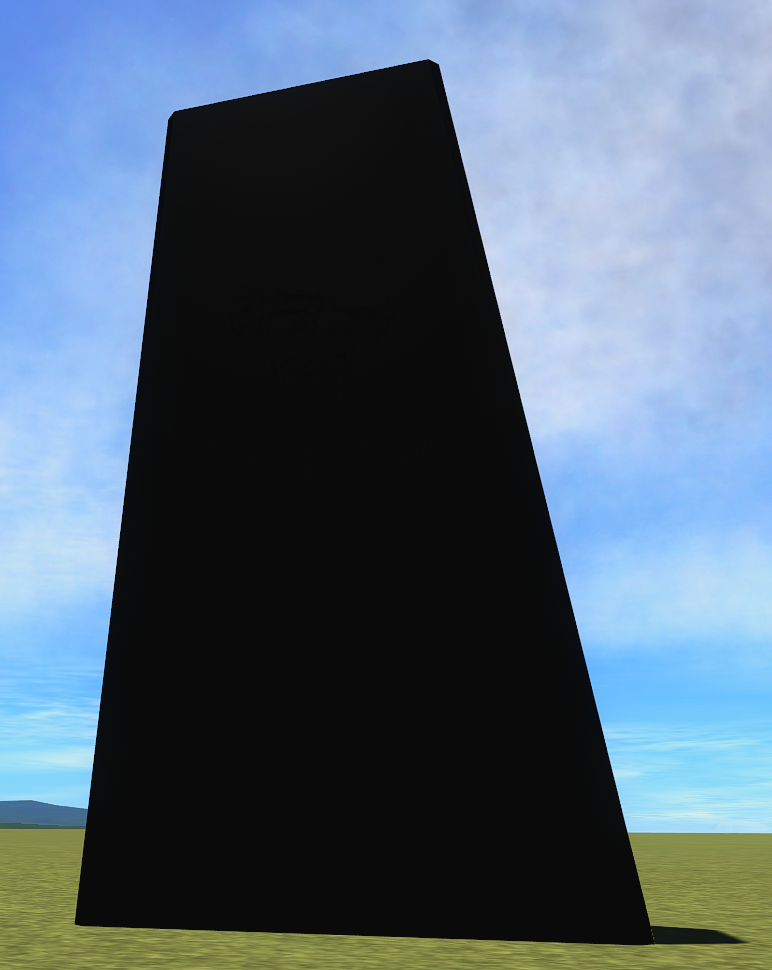 The tracking station has been analyzing interference it has been detecting during the rocket launches we’ve had over the past few weeks. During the most recent launches they set up some extra analysis tools and programs to get a better read on the interference and determined it was coming from a local source. Once all radio emitters around the KSC campus were ruled out the only option left was the mysterious Monolith that resides to the north of KSC. Studies of the Monolith have been ongoing, and it’s one of the reasons the KSC was built on this location. It’s been suspected for some time that this structure was erected by an alien intelligence passing through our planetary system, perhaps soon enough after the asteroid disaster that they did not realize life existed deep underground, seeking refuge from the inhabitable surface conditions. The fact that the Monolith seems to be watching our activities therefore is not too surprising, but scientists are a bit shocked that we could detect it. Surely whatever advanced civilization constructed the immovable object would communicate using some more advanced method. Maybe it’s trying to communicate with us? Research remains ongoing.
Oct 06 2016
We had two successful flights of the Progeny Mk1-B earlier this week, but after a day reviewing the flight data engineers on the project were unsatisfied with the roll rate for the Mk1-B1 that flew first with angled fins for spin stabilization. Before the stage was separated, the rocket only achieved a maximum roll rate of 4 deg/sec compared to the roll rate of the Mk1-A1 which, lacking detailed flight telemetry was approximated by studying the launch footage, reached a peak rate of around 25 deg/sec. For the Mk1-B tests engineers were looking for a spin rate of at least 15 deg/sec to ensure proper deployment of the fairing payload and were glad no issues arose from the slow spin of the Mk1-B1 flight.
Project managers yesterday put forth the request for a third Mk1-B flight prior to the completion of telemetry data analysis, with increased fin angle for greater spin up during ascent. In retrospect, the smaller fins and shorter boost time of the Mk1-B should have required a greater deflection angle to begin with, but at least we now can compare the two rockets under the same guidance fin configuration (1.5 deg). Today, Operations Director Drew Kerman approved the 3rd flight, which will adjust the fin angle to 5 deg of pitch.
The launch is scheduled for 16:00 UTC on 10/11.
Oct 04 2016
Oct 04 2016
Sep 29 2016
 Next month the Horizontal Assembly Building will be the new home of C7 Aerospace Division, which will be leading the development of the fixed-wing aircraft program in conjunction with KSA Lead Engineer Simon Kerman and his crews. Prior to the asteroid impact that nearly wiped out kerbal civilization, fixed-wing aircraft had taken flight only a few times as a few competing nations raced to become the first to field highly-maneuverable and fast aircraft. Now as one kerbal society the advancements preserved over the past few centuries have been pooled together and are at last ready to be applied in practice.
KSA’s own astronauts Captain Jebediah Kerman and Commander Valentina Kerman will both serve as test pilots.
C7 is planning to start operations on Oct 17th.
Sep 27 2016
In association with the KSA and numerous institutions and heavily leaning on the community of amateur astronomers, the Asteroid Tracking Network is set to begin operations at the start of October. The lead organizer for the Network is Edlu Kerman, a well-known astronomer who, in conjunction with geologist Blarsby Kerman, uncovered evidence of yet another asteroid-driven mass-extinction in Kerbin’s distant past when they discovered Kerraria Crater. “it’s happened within our recorded history, and it’s happened before. We can prevent it from happening again. We need to start now – there are potentially hundreds of rocks out there that could wipe us out completely, even with our current subterranean infrastructure in place. Thousands upon thousands more could threaten any surface colonies in the future as well”.
The ATN will begin collecting reports from all members into a central repository all astronomers can access in order to work together to pick out the faint objects known as asteroids and comets that litter our planetary system. “These objects can be very dark, very hard to see unless the conditions are just right. We’re also limited to optical technology at this time, until further developments in infrared detection are completed”, commented Edlu. The Network hopes the increased awareness they bring will help increase funding for projects aimed at making finding these threats easier. “It’s no doubt kerbals know the threat is out there, but I don’t think the vast majority of our population realizes just how many threats are out there”.
The current plan is to release monthly reports of newly-found objects, although the KSA will use its public outreach to inform kerbs of any major findings as soon as they are discovered.
If anyone is interested and capable, the ATN is looking for a logo. You can send submissions here in the comments, tweet at @KSA_MissionCtrl or email dkerman@kerbalspace.agency.



(previous record)
Heaviest Rocket Launched, Minus Payload: 19.862t (17.5t)
Heaviest Payload Launched, Orbital Trajectory: 1.662t (767kg)
Tallest Rocket Launched: 16.782m (16.212m)